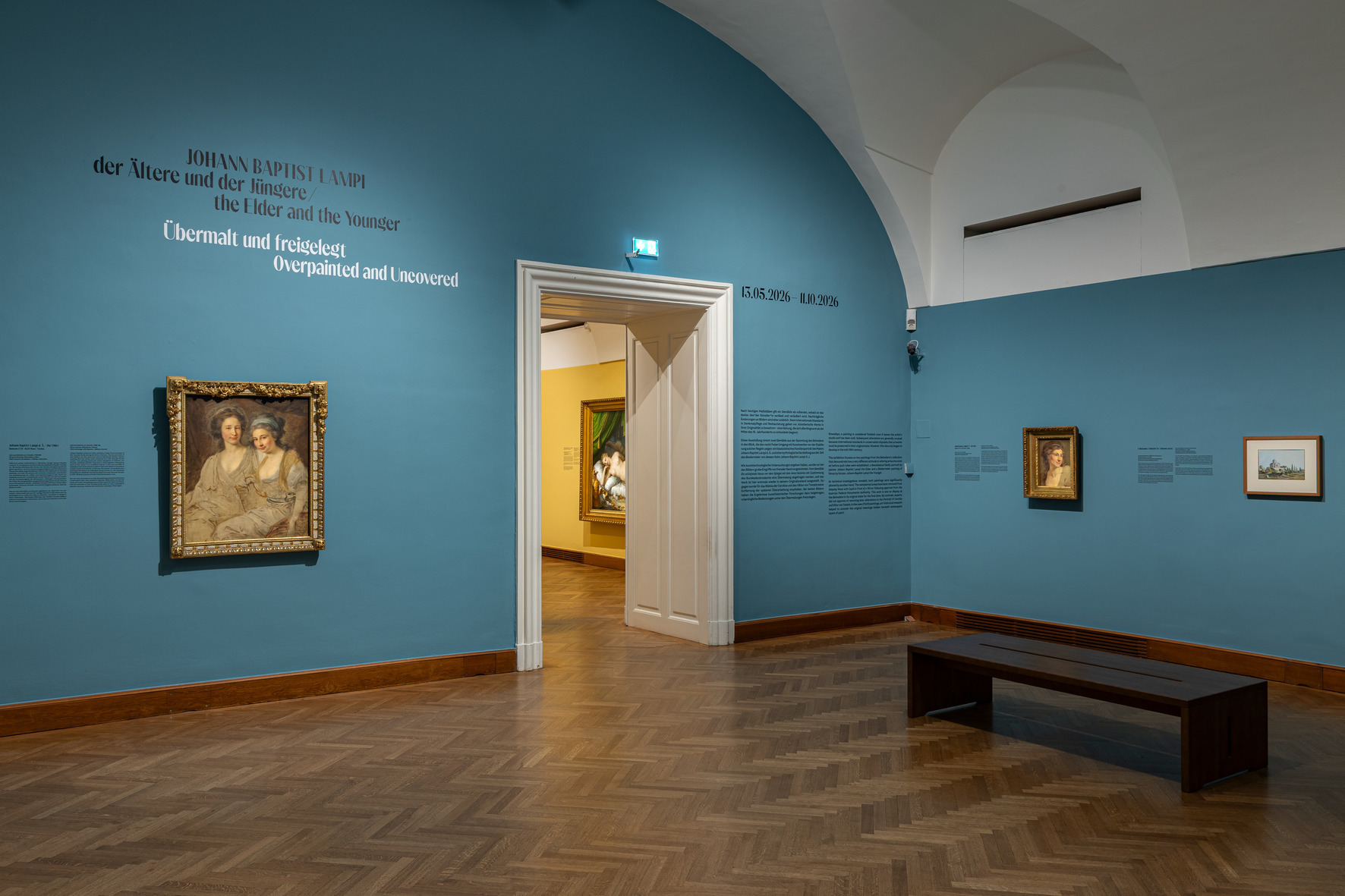
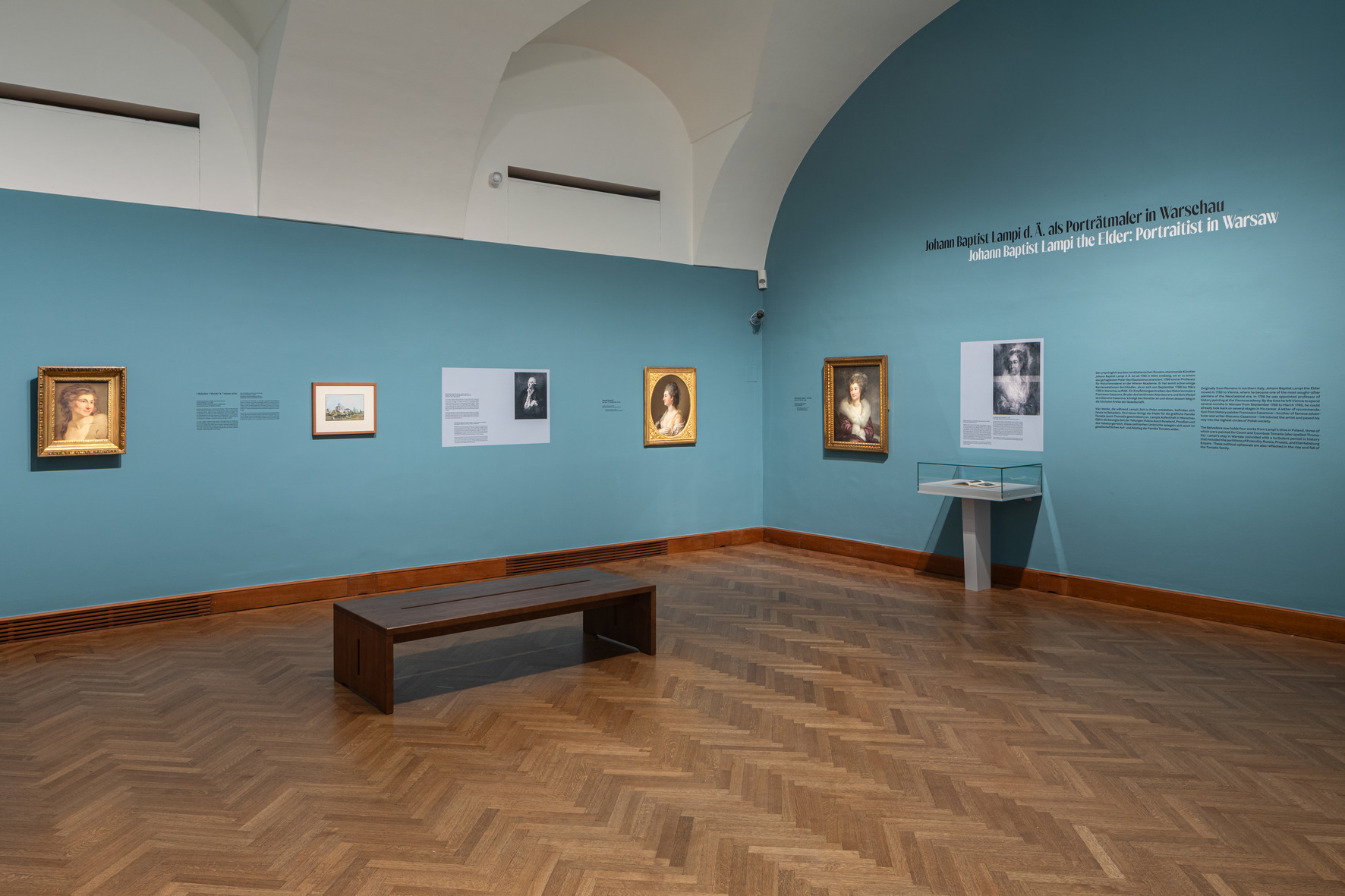
General Director Stella Rollig: Based on two works in the Belvedere’s collection, this show offers fresh perspectives on the oeuvres of Johann Baptist the Elder and Johann Baptist the Younger. The eventful history of these overpainted works demonstrates how they have changed over time in terms of both their formal appearance and their content and messages. In addition, the exhibition highlights how our current views on the treatment of art—defined by the principles of conservation and the ideal of originality—have evolved through history and only started to become established in the mid-nineteenth century.
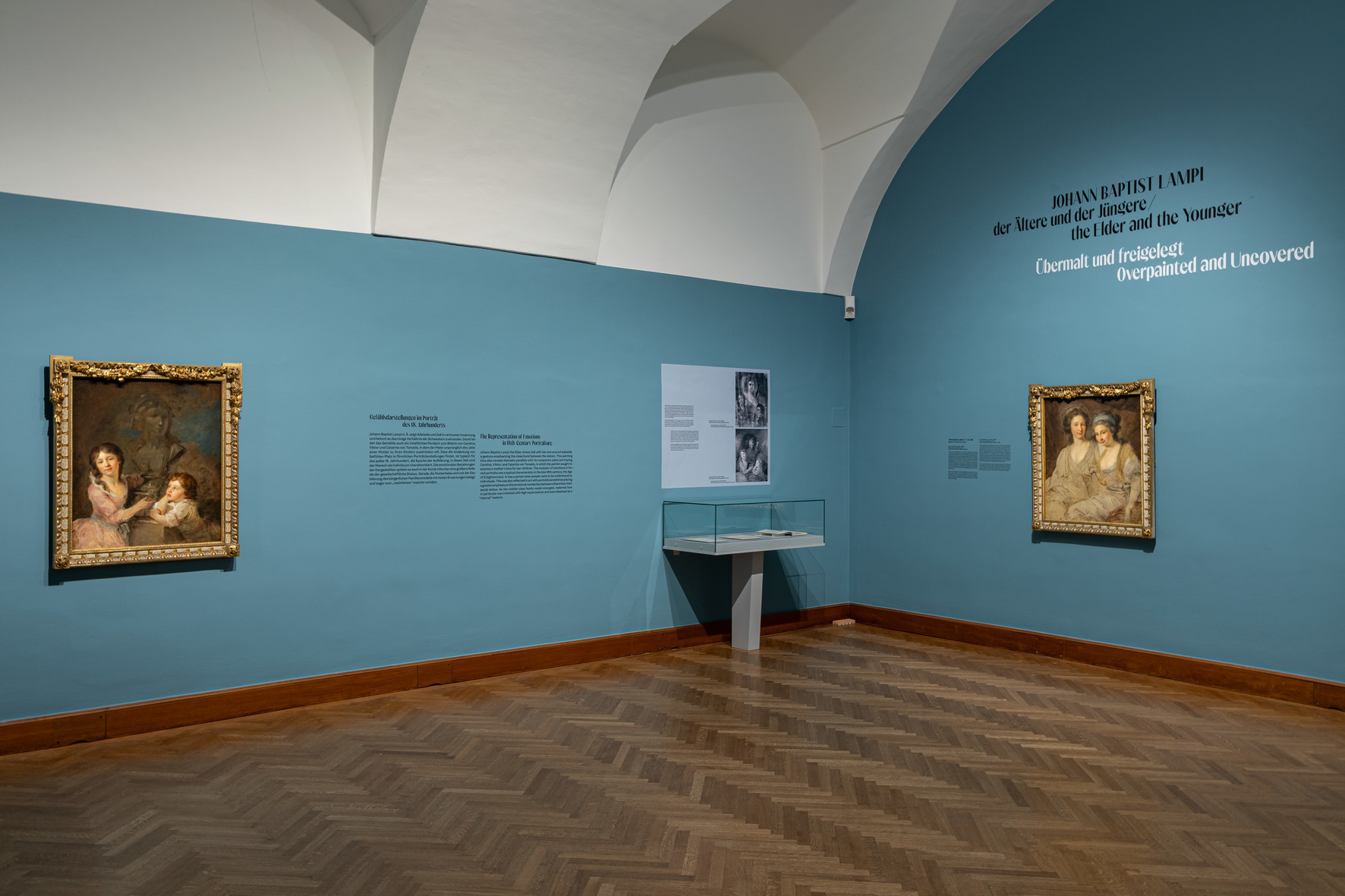
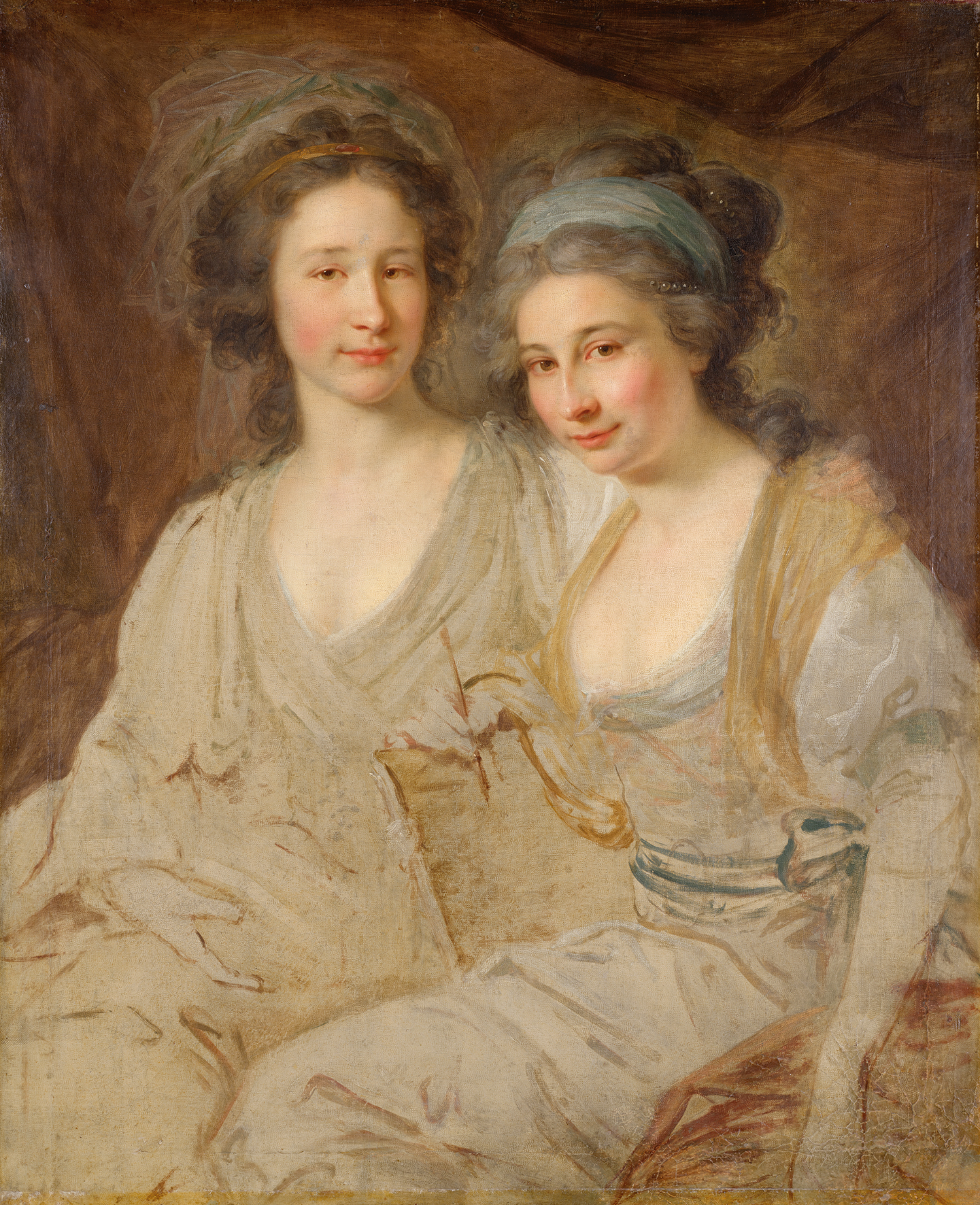
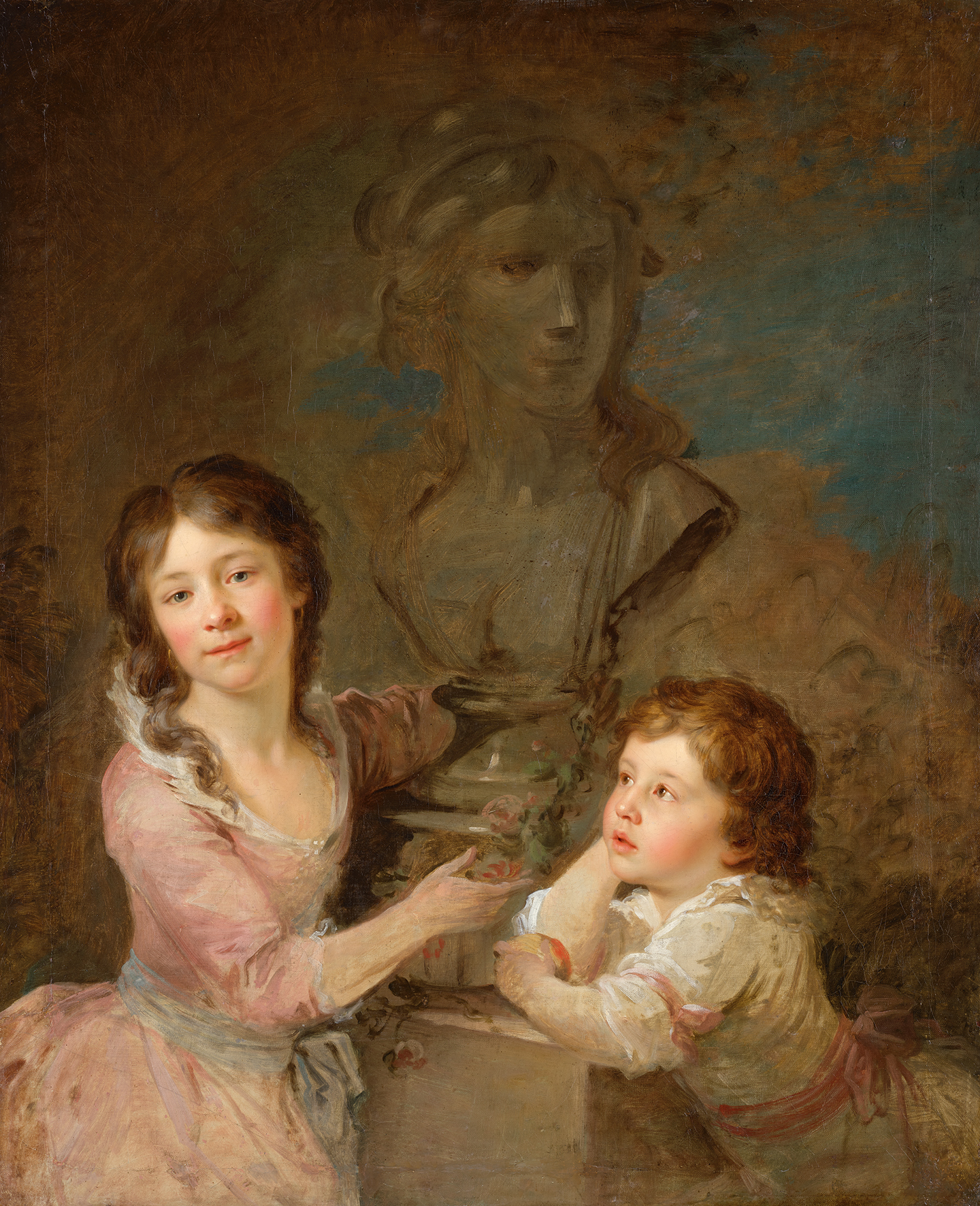
During his time in Warsaw in 1788–89, Johann Baptist Lampi the Elder painted several portraits of the Tomatis family. Milanese dancer Catarina, née Filipazzi, had moved to Warsaw with entrepreneur Carlo Tomatis in 1765. One of the three portraits of the family by Lampi shows two of their children, Caroline and Viktor, standing either side of a bust. X-ray and infrared imaging from 2016 revealed this bust to be an overpainting: Hidden beneath the layers of paint is a portrait of their mother, Catarina, embracing her children. Based on this work and further portraits in addition to archival material, this exhibition tells the story of the Tomatis family.
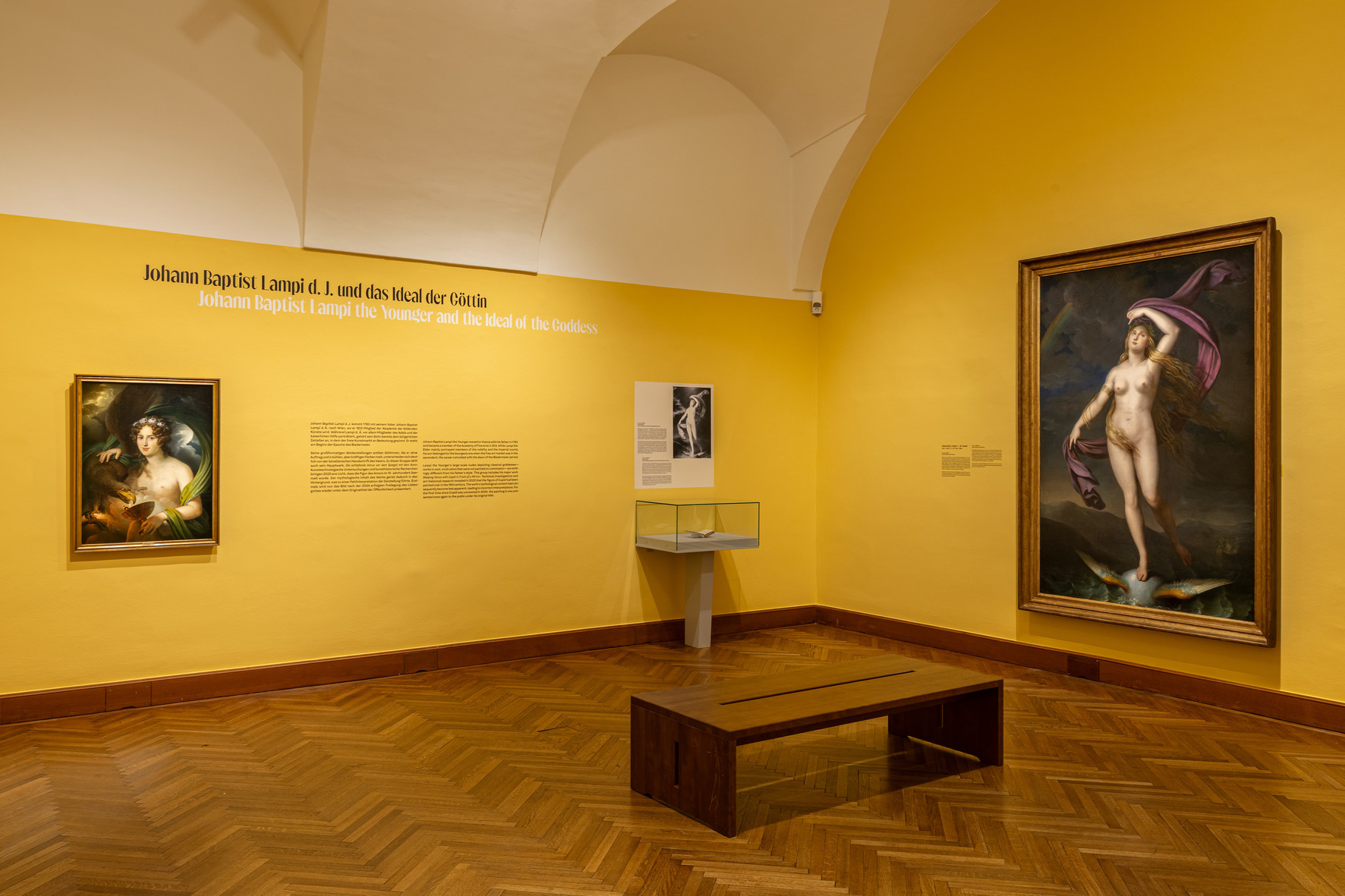
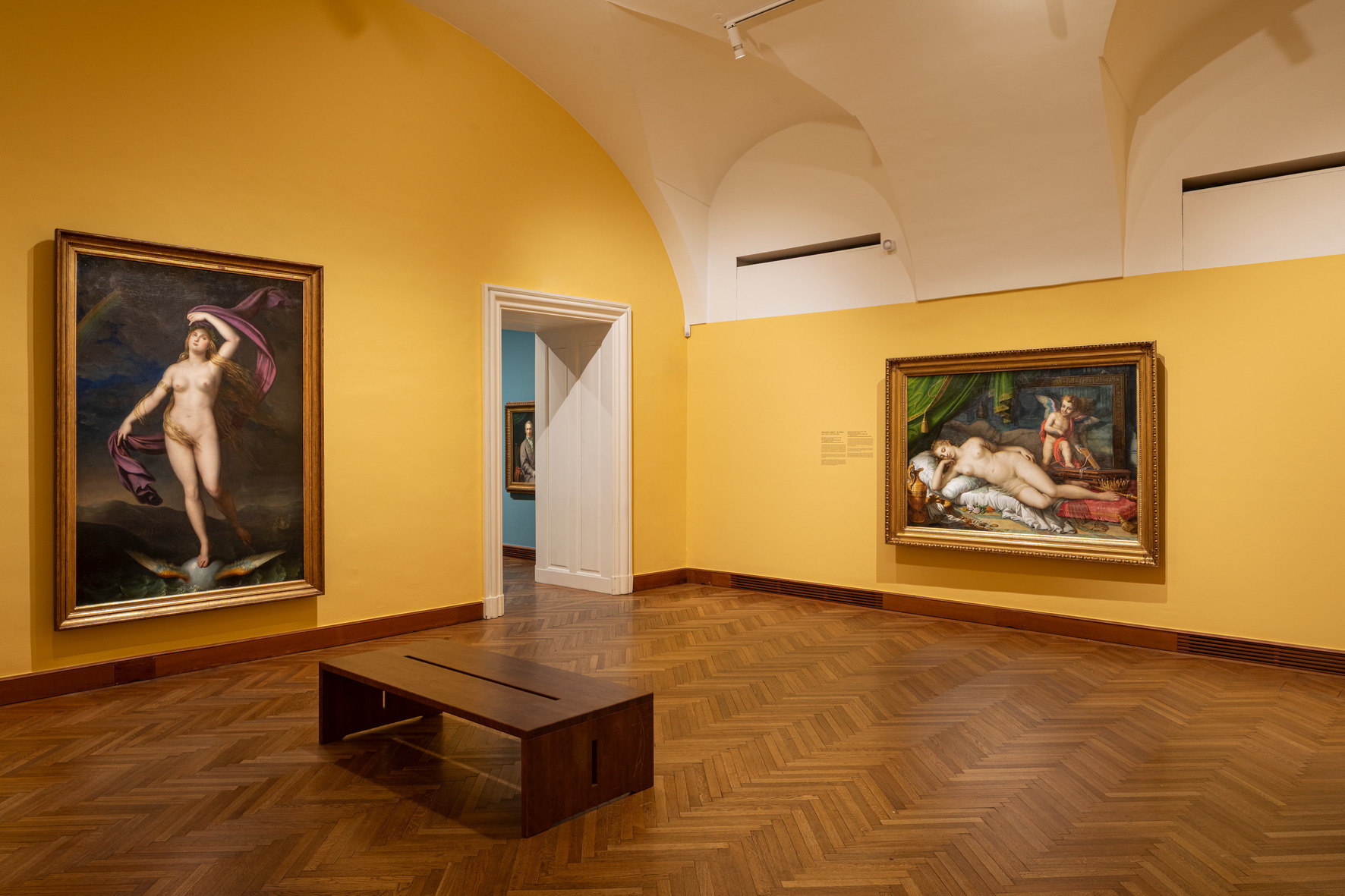
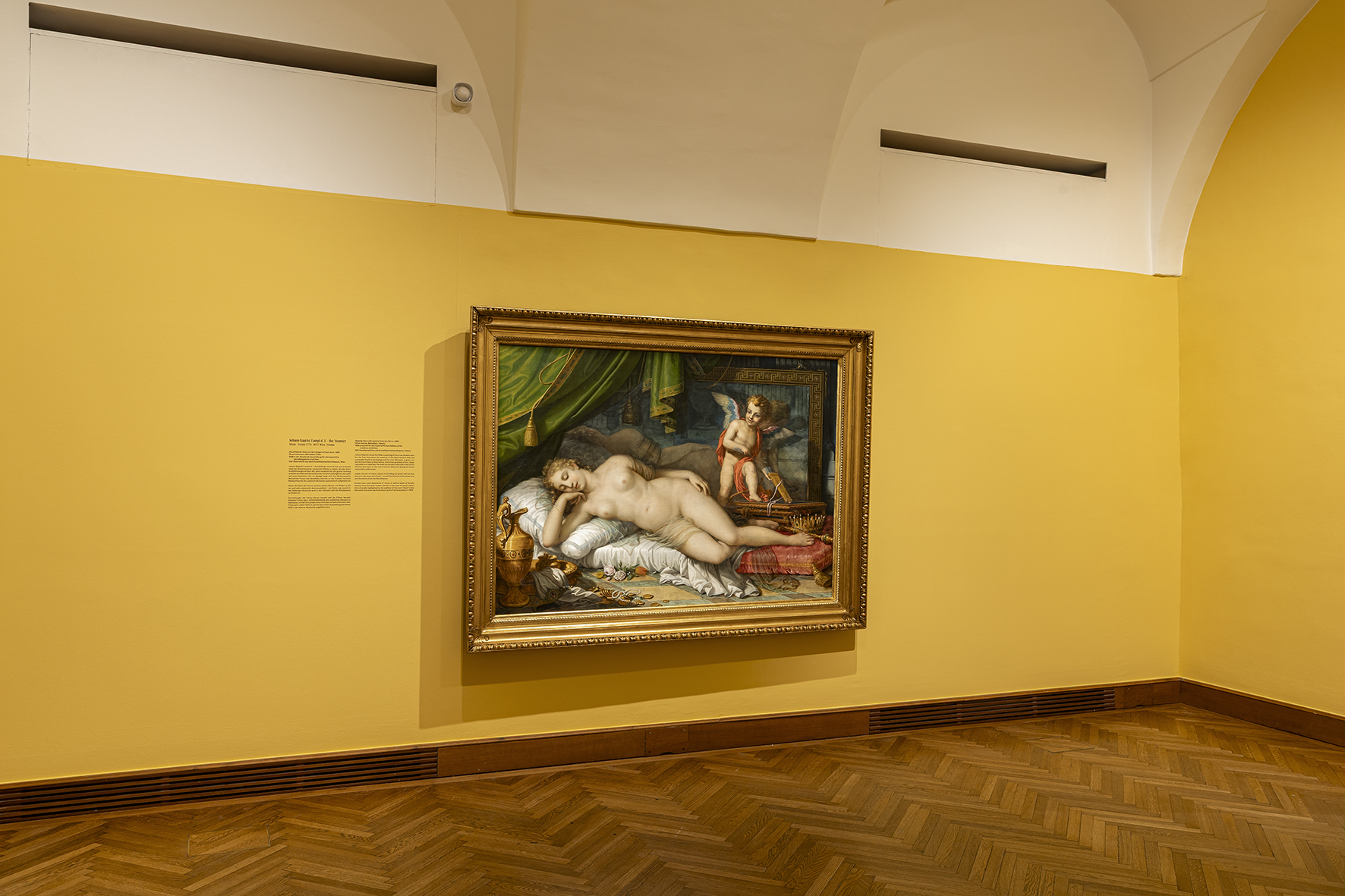
In 2022 Johann Baptist Lampi the Younger’s painting Venus Sleeping on a Day Bed—as it was then known—was also analyzed using X-ray and infrared imaging. In this case, the figure of Cupid emerged, concealed beneath a black surface. The erasure of the god of love made the mythological content less apparent. This explains why the painting was later interpreted as a portrait of Emilie Victoria Kraus, one of Napoleon’s lovers, in two twentieth-century novels set in Salzburg. It was precisely this misinterpretation that paved the way to the painting’s popularity, which even reached as far as Paraguay. Now, for the first time since the revealing of Cupid in 2024, the painting will be shown to the public under its original title.
The history of these two paintings shows how fascinating art-historical research can be. The original content was forgotten due to overpainting, which resulted in misinterpretations. For the first time in the German-speaking world, the history of the Tomatis family has been examined in the context of their portraits while enduring myths surrounding this depiction of Venus have been challenged and debunked. At the same time, the comparison of the two works—encompassing the context in which they were created and commissioned—reveals the profound changes of this era that was characterized by the transition from a feudal to a bourgeois society, said curator Katharina Lovecky.
This exhibition uncovers the layers of meaning contained within two works, which had been hidden by overpainting. It shows that the meaning of artworks can be significantly altered once they leave the artist’s studio: A family portrait expressing a mother’s love for her children was transformed into a memorial while an idealized Venus morphed into the portrait of a local Salzburg celebrity.