



-
CARLONE CONTEMPORARY: Asta Gröting
Things
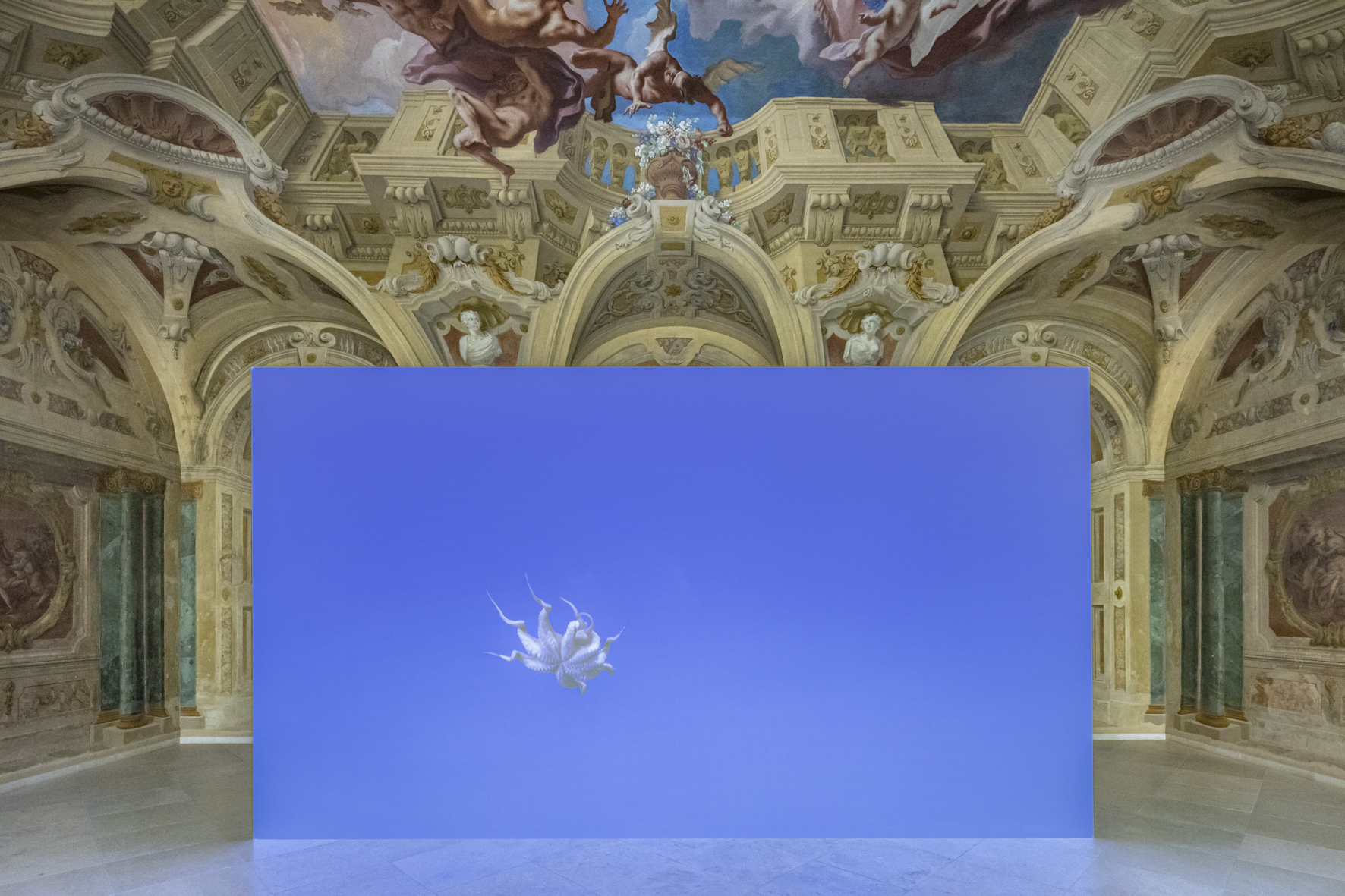
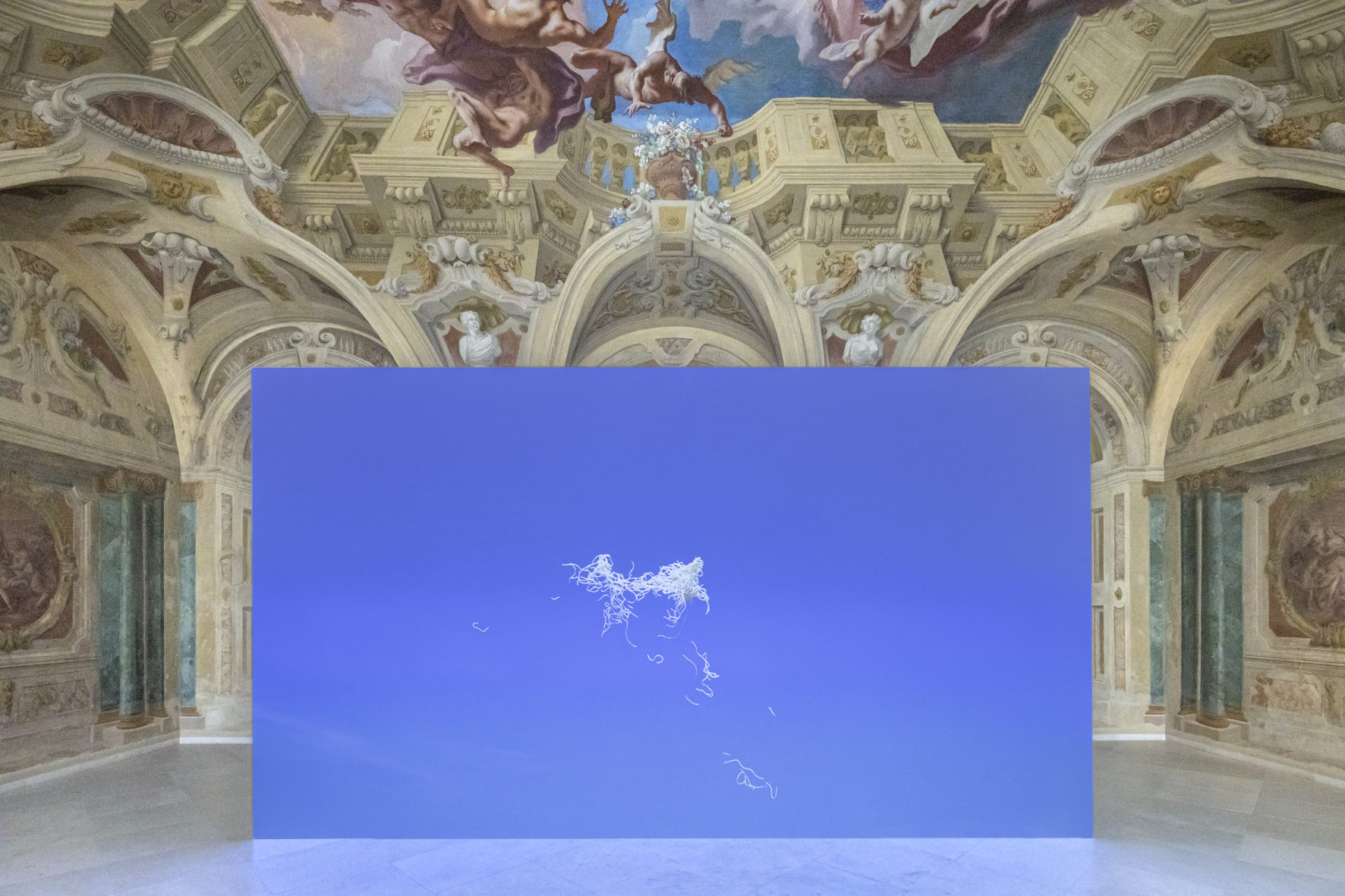
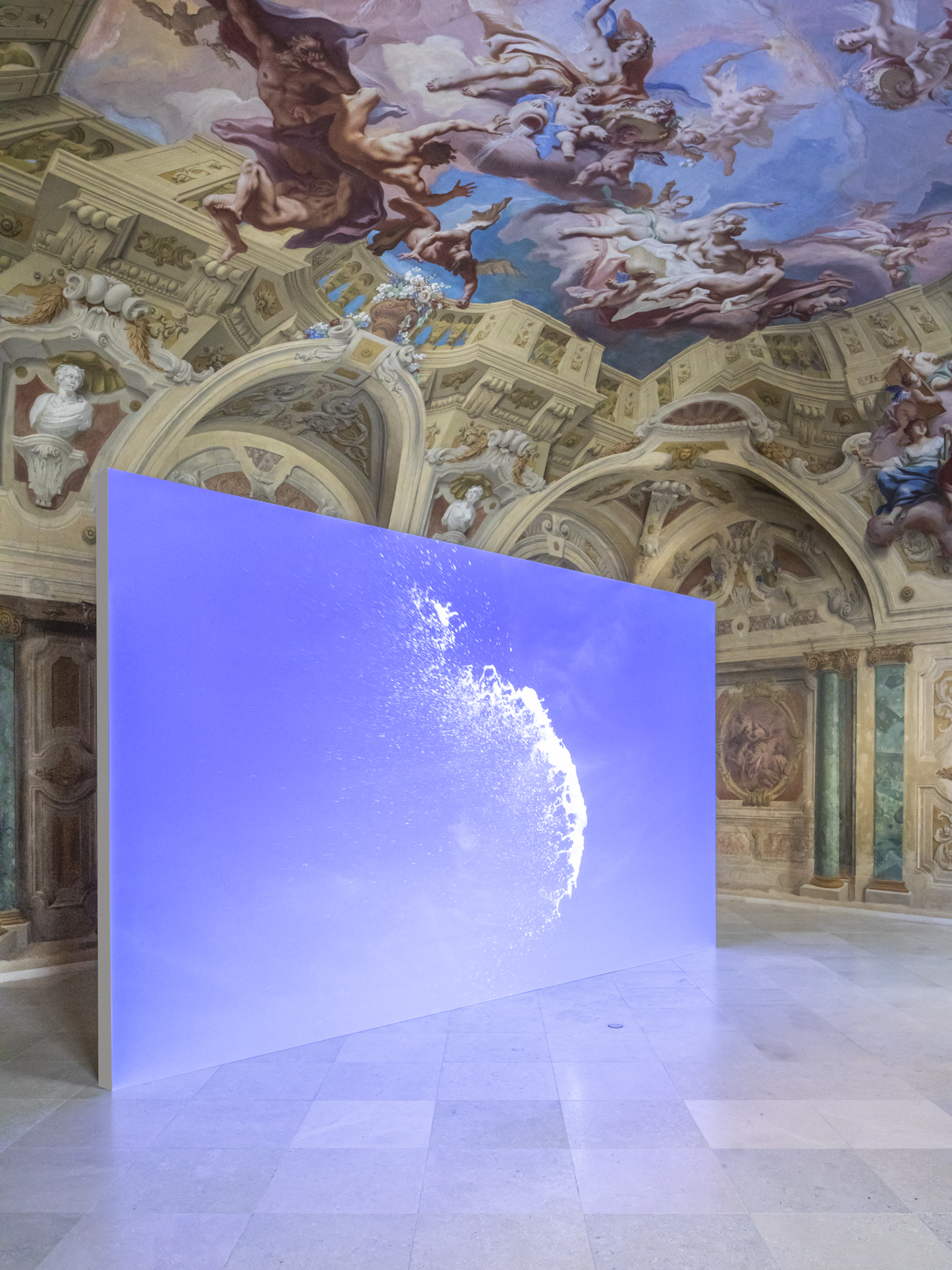
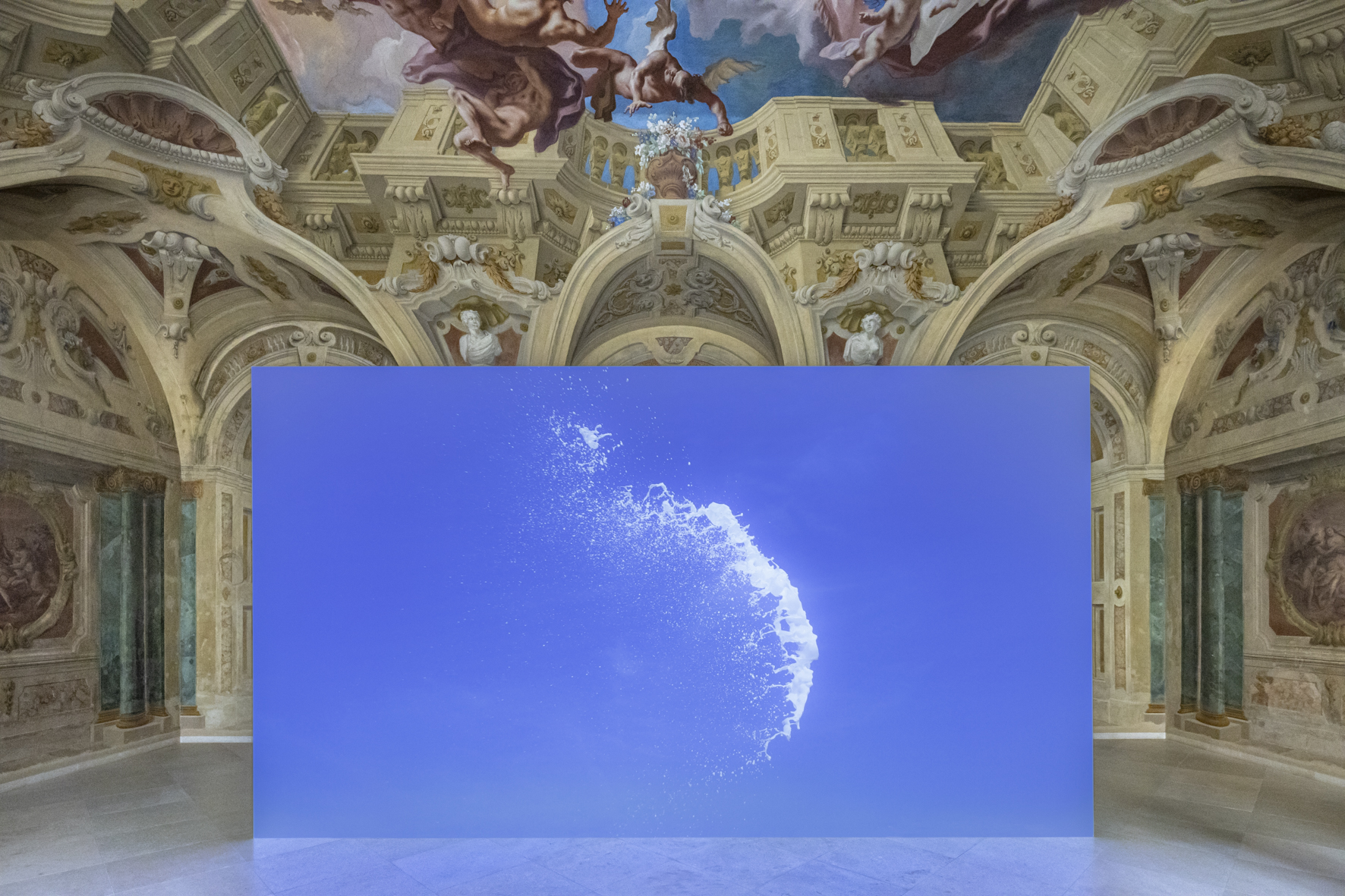
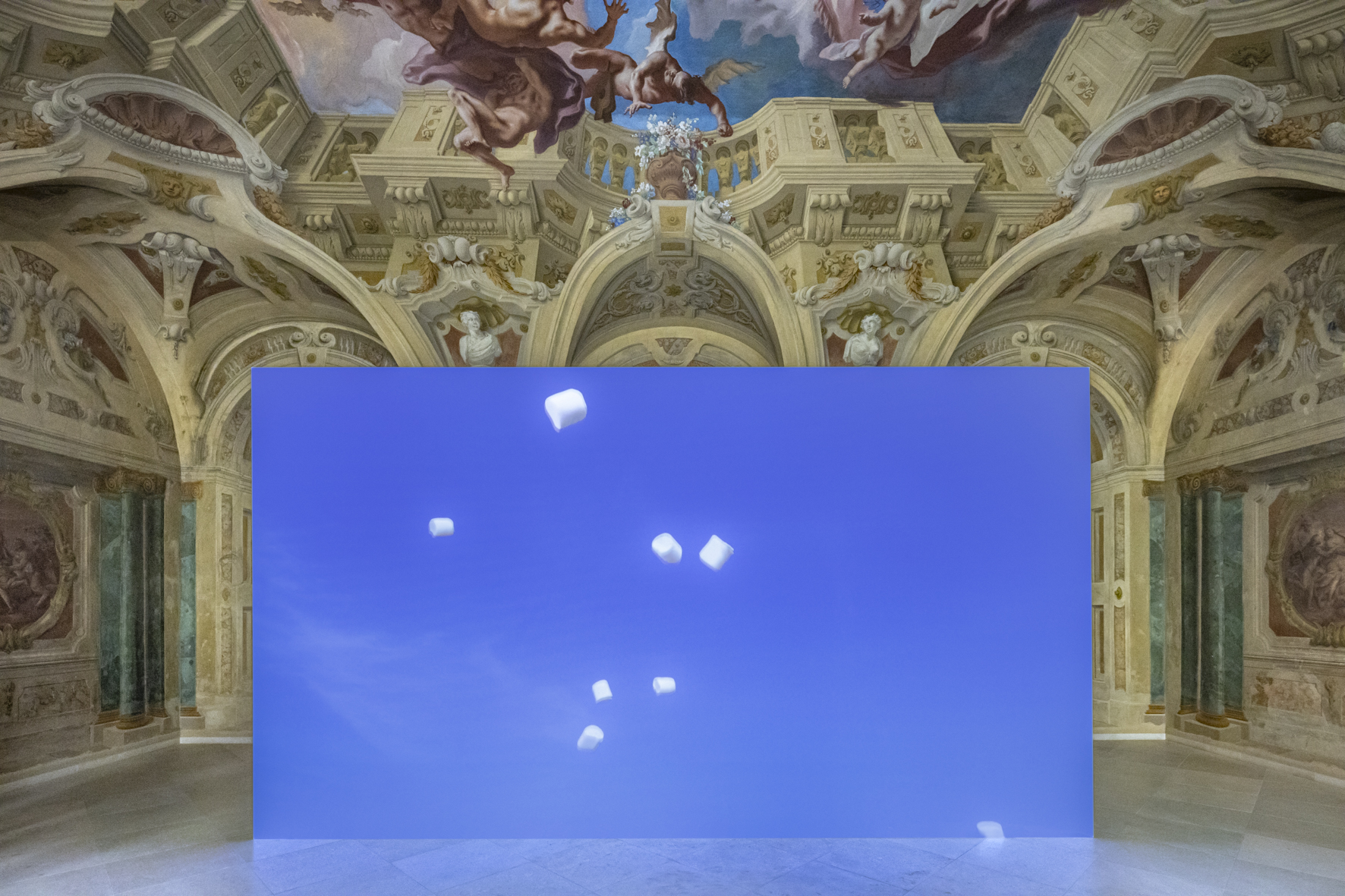
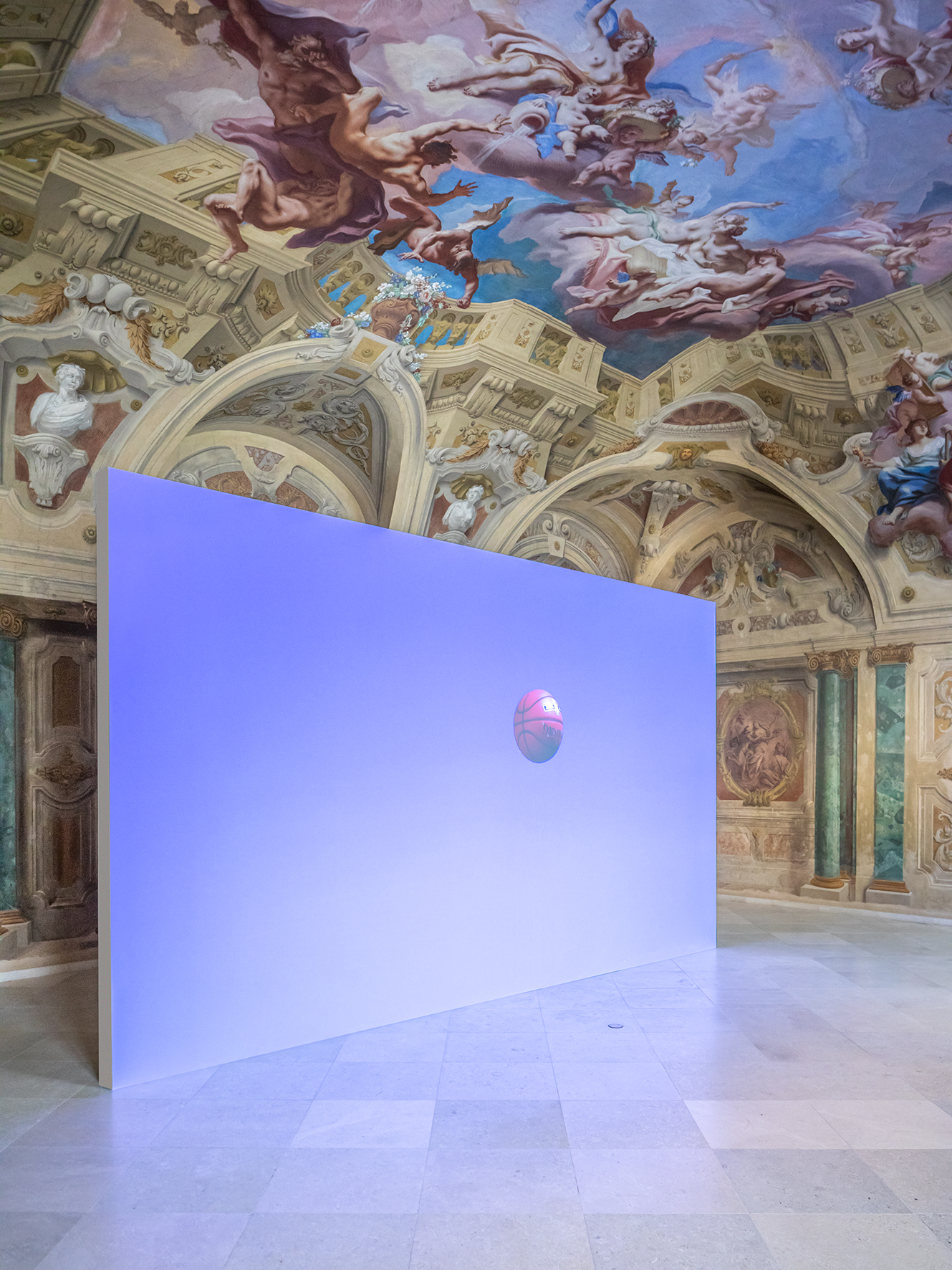
Asta Gröting’s video Things (2018) sees gravity suspended: organic and inorganic objects fly into a deep blue summer sky in slow motion. The pull of the sequence intensifies with each propelled thing. While considering the grotesque deformation of the objects, the suspense builds as we wait for the next thing to appear.
Curated by Stella Rollig.
Assistant Curator: Johanna Hofer
#CarloneContemporary
Upper Belvedere
Opening Hours
Address
Prinz-Eugen-Straße 27, 1030 Vienna
Getting thereImpressions
Biography
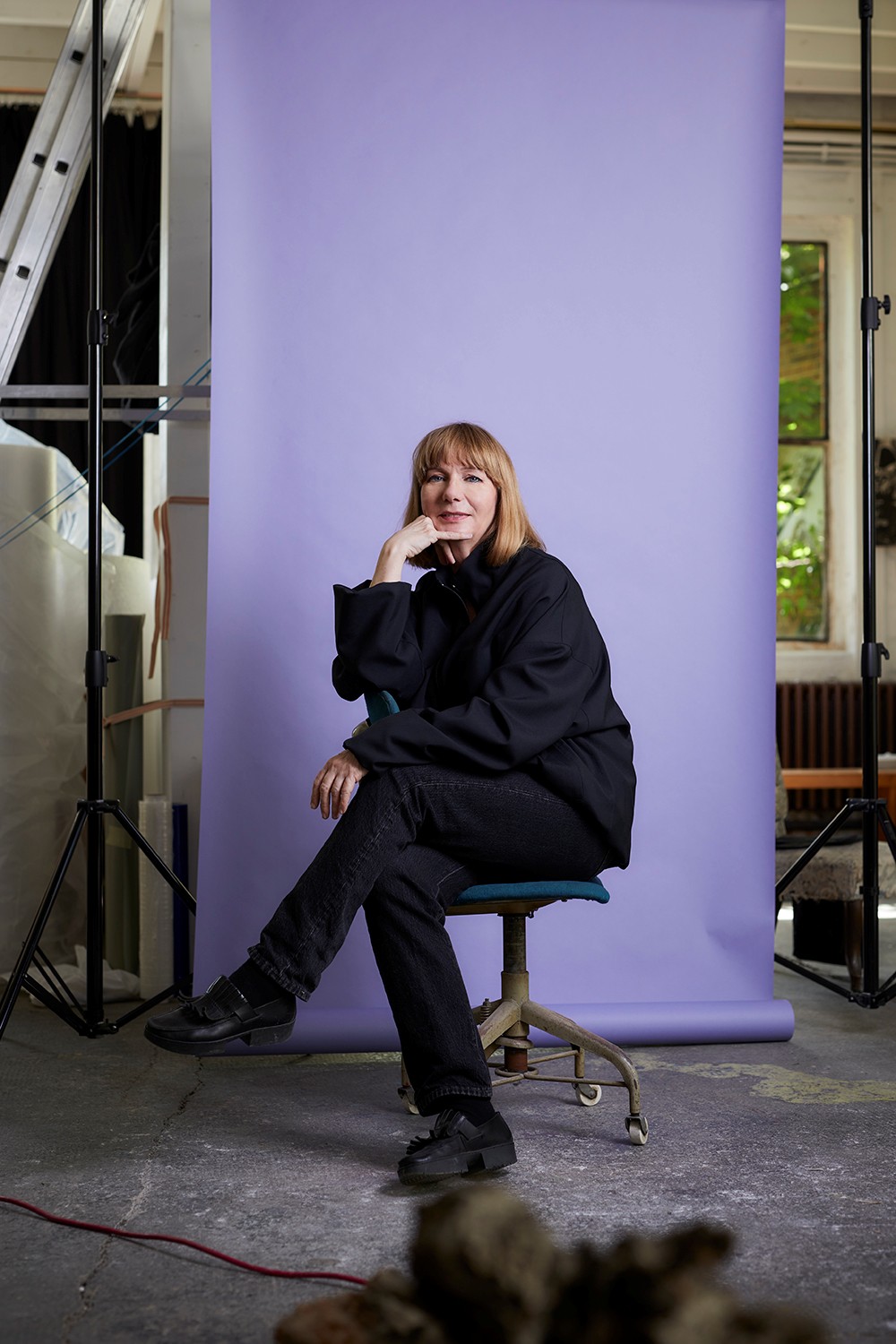
Asta Gröting creates works that explore the complex relationships between people, animals, and objects. In her sculptures, videos, and performances, she finds ways to reveal what is invisible to the naked eye in the social and psychological realms. Her work focuses on aspects such as the inner voice, the space between lovers, the digestive system, and the inside of bullet holes from World War II.
Gröting held international solo exhibitions at the Städel Museum, Frankfurt a. M.; Centre Pasquart, Biel/Bienne; KINDL – Centre for Contemporary Art, Berlin; ZKM | Center for Art and Media, Karlsruhe; Neuer Berliner Kunstverein (n.b.k.), Berlin; Lentos Kunstmuseum Linz; Henry Moore Institute, Leeds; and MARTa Herford. She participated in numerous large-scale international exhibitions, including: Musée des Beaux-Arts de la Ville de Paris; Fundación Juan March; James-Simon-Galerie; Staatliche Museen zu Berlin; Kunsthalle Bielefeld; the 22nd Bienal de São Paulo; the 8th and 14th Biennale of Sydney; and the 44th Venice Biennale.
Gröting’s works are represented in public collections, including the Städel Museum, Frankfurt a. M.; Museum Ludwig, Cologne; Hamburger Bahnhof, Berlin; and Centre Pompidou, Paris, among others.
CARLONE CONTEMPORARY
The CARLONE CONTEMPORARY series presents contemporary works in the Carlone Hall of the Upper Belvedere in six-month intervals. From the frescoed ancient world of the deities Apollo and Diana to the present day, contemporary artists bridge the Baroque pictorial program with new artistic stances.
