


-
Reality Check.
Painting in Europe from Realism Toward Modernism
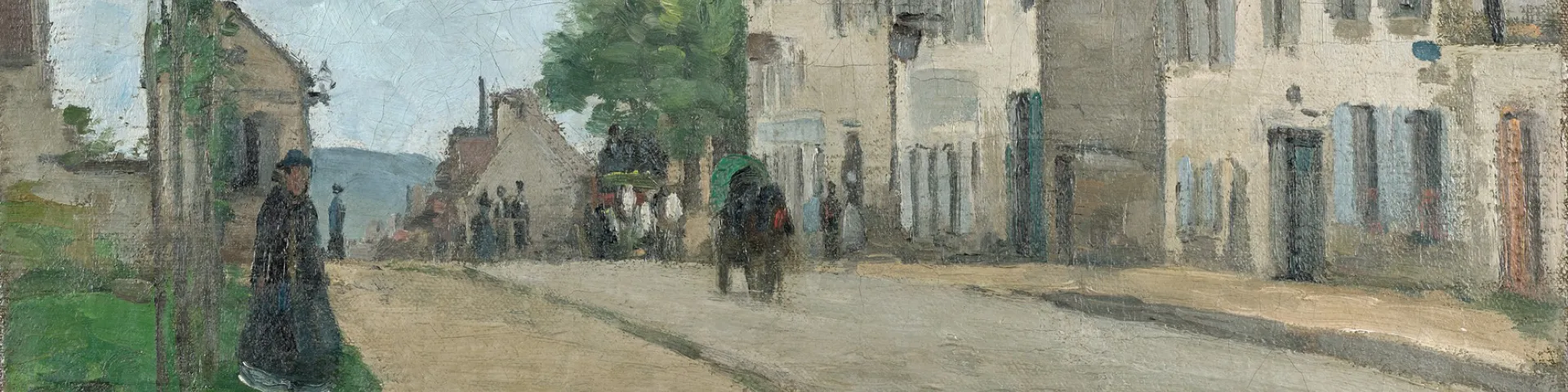
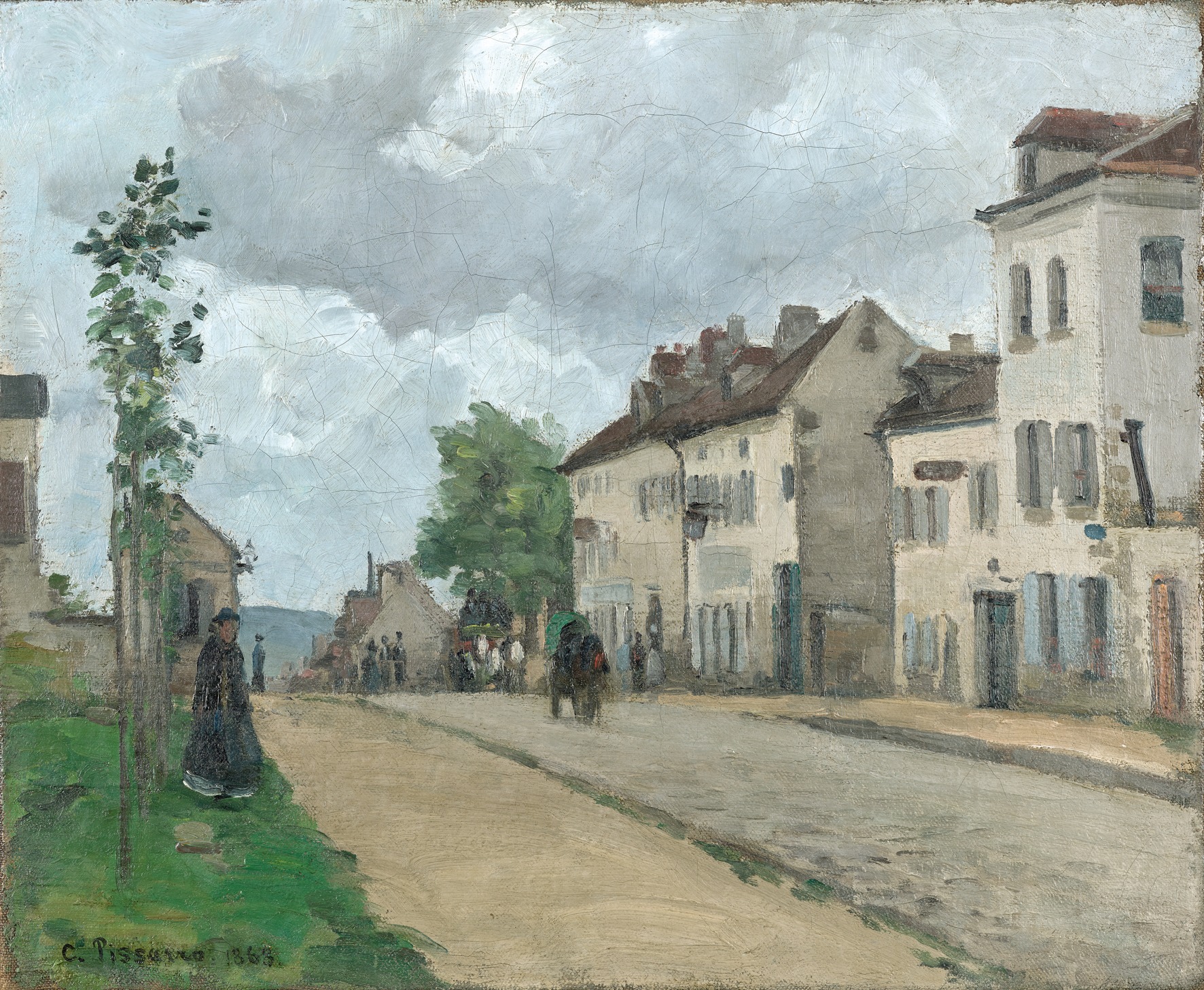
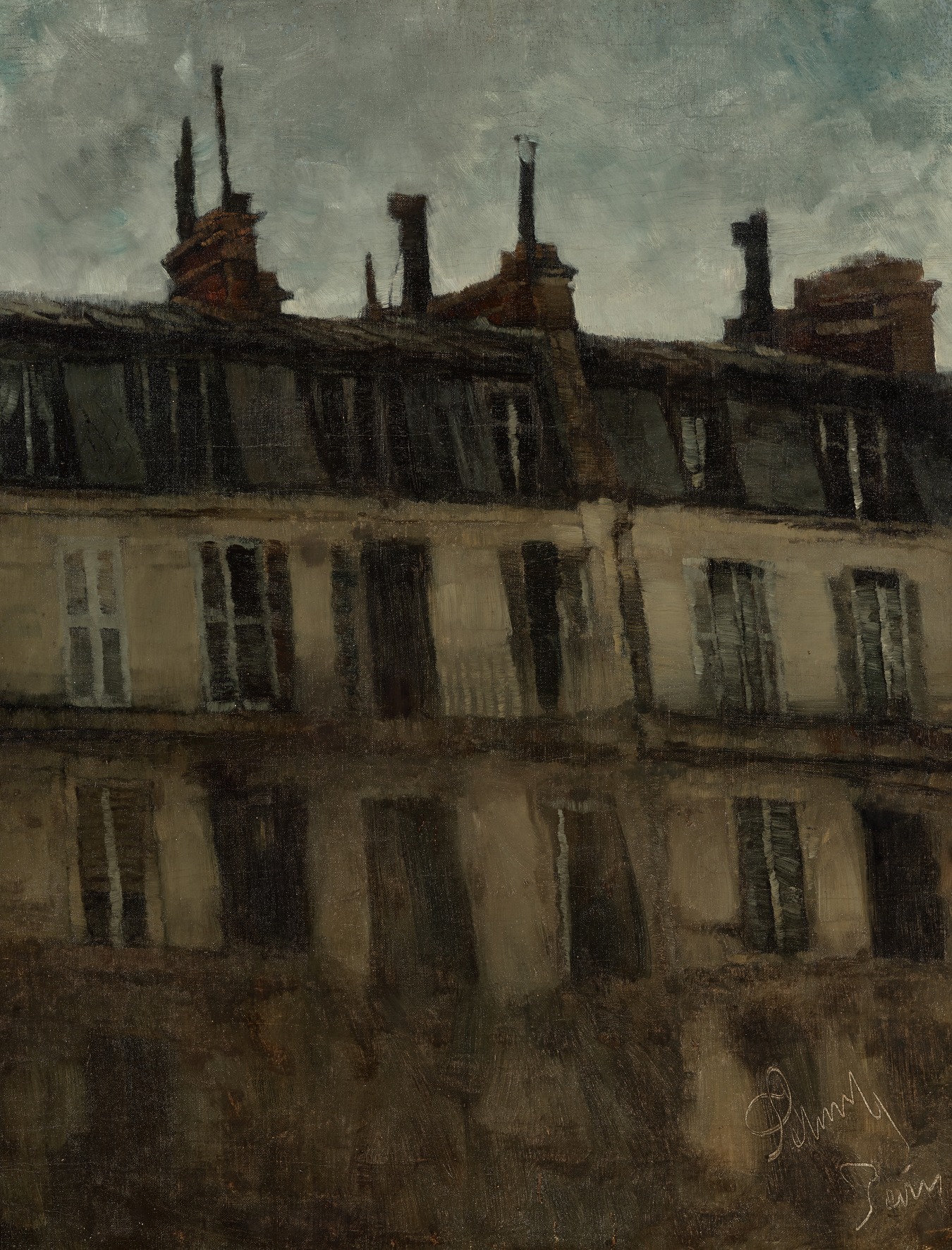
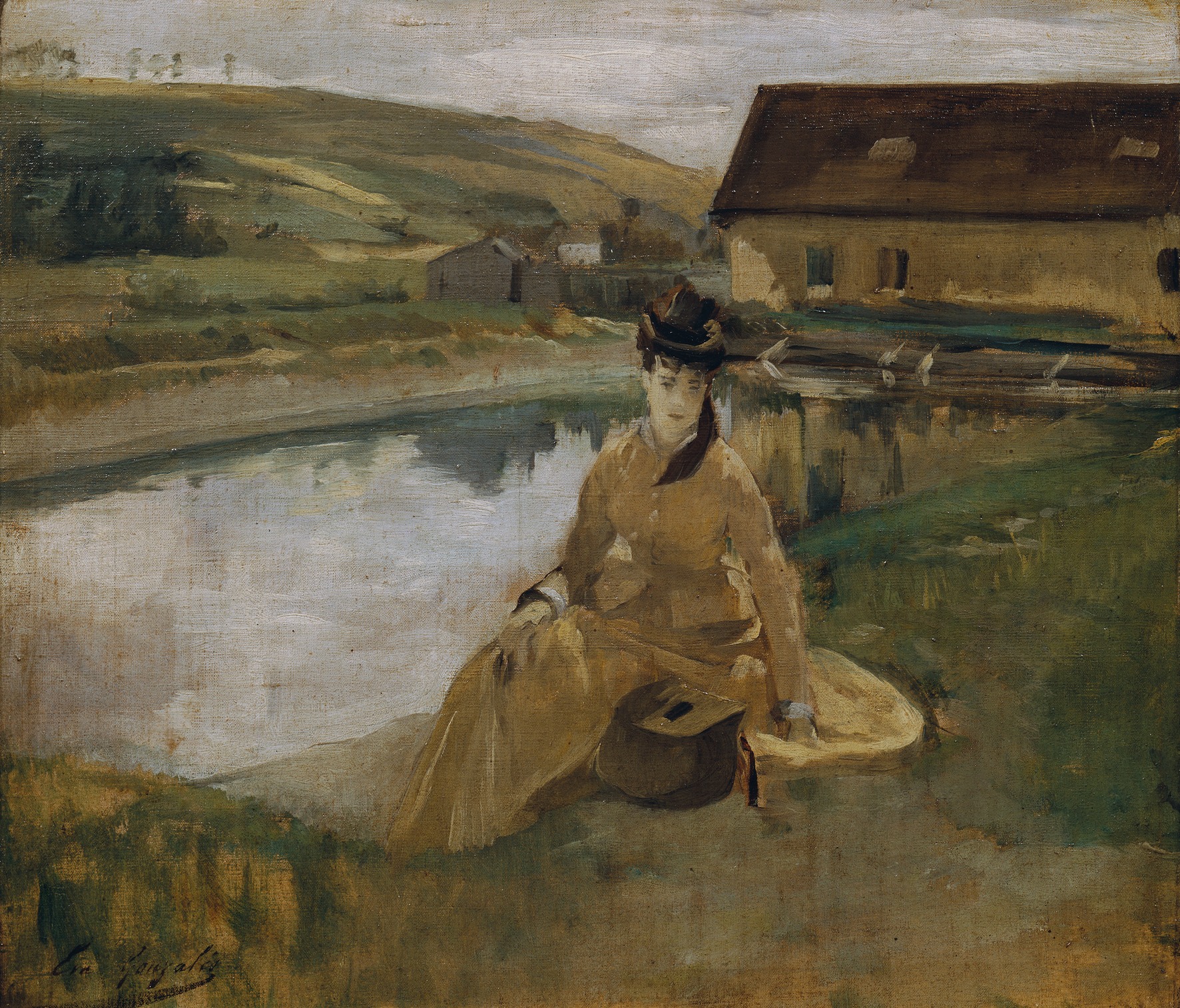
The years from 1855 to the late 1870s mark one of the most significant periods of transformation in the history of modern art. Young artists rebelled against the antiquated ideals and rigid conventions of academic painting by embracing realism and placing the realities of everyday life at the center of their work. The simplicity of their subjects shifted the emphasis to the originality and distinctive character of their artistic treatment. Through new approaches to form and expression, these painters laid the foundations for modern art. The exhibition explores the European avant-garde of this era, tracing the emergence of movements and groups such as the Macchiaioli in Italy, early Impressionism in France, and the Leibl Circle in Germany as manifestations of an international phenomenon.
Curated by Markus Fellinger.
Assistant Curator: Miroslav Haľák
Impressions
The Exhibition
Europe underwent sweeping political, social, and economic changes in the mid-nineteenth century: industrialization created unprecedented possibilities for rapid travel and communication, while the middle class gained civil liberties and a greater say in political affairs. This new sensibility gave rise to an avant-garde of young artists who broke away from the established art world in pursuit of artistic independence.
Covering the period from approximately 1855 to 1880, the exhibition encompasses the formative years of artists such as Giuseppe Abbati, Tina Blau, Paul Cézanne, Gustave Courbet, Edgar Degas, Giovanni Fattori, Eva Gonzalès, Wilhelm Leibl, Édouard Manet, Hans von Marées, Claude Monet, Berthe Morisot, Camille Pissarro, Carl Schuch, Alfred Sisley, Wilhelm Trübner, and many others. Their names are synonymous with artistic renewal, progress, and, in some cases, outright rebellion. Truth, freedom, and originality were the watchwords of a young movement that placed the individual and their unique personality at the center of artistic inquiry. At the same time, the invention of the paint tube made painting outdoors easier, allowing artists to capture nature with unprecedented immediacy and intensity of color. New analytical approaches were particularly significant for this generation of artists. Their investigations of the fundamental possibilities of pictorial form and painting technique opened up entirely new perspectives that would lay the foundations for modern painting in the decades to come.


