

-
Erna Rosenstein
On the Other Side of Silence
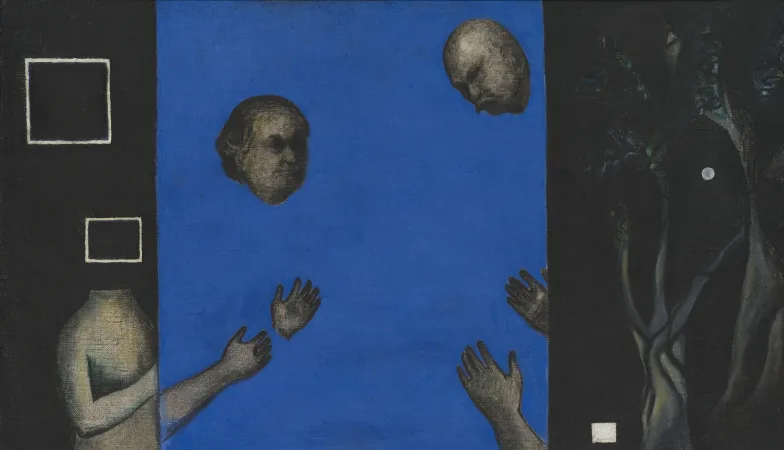
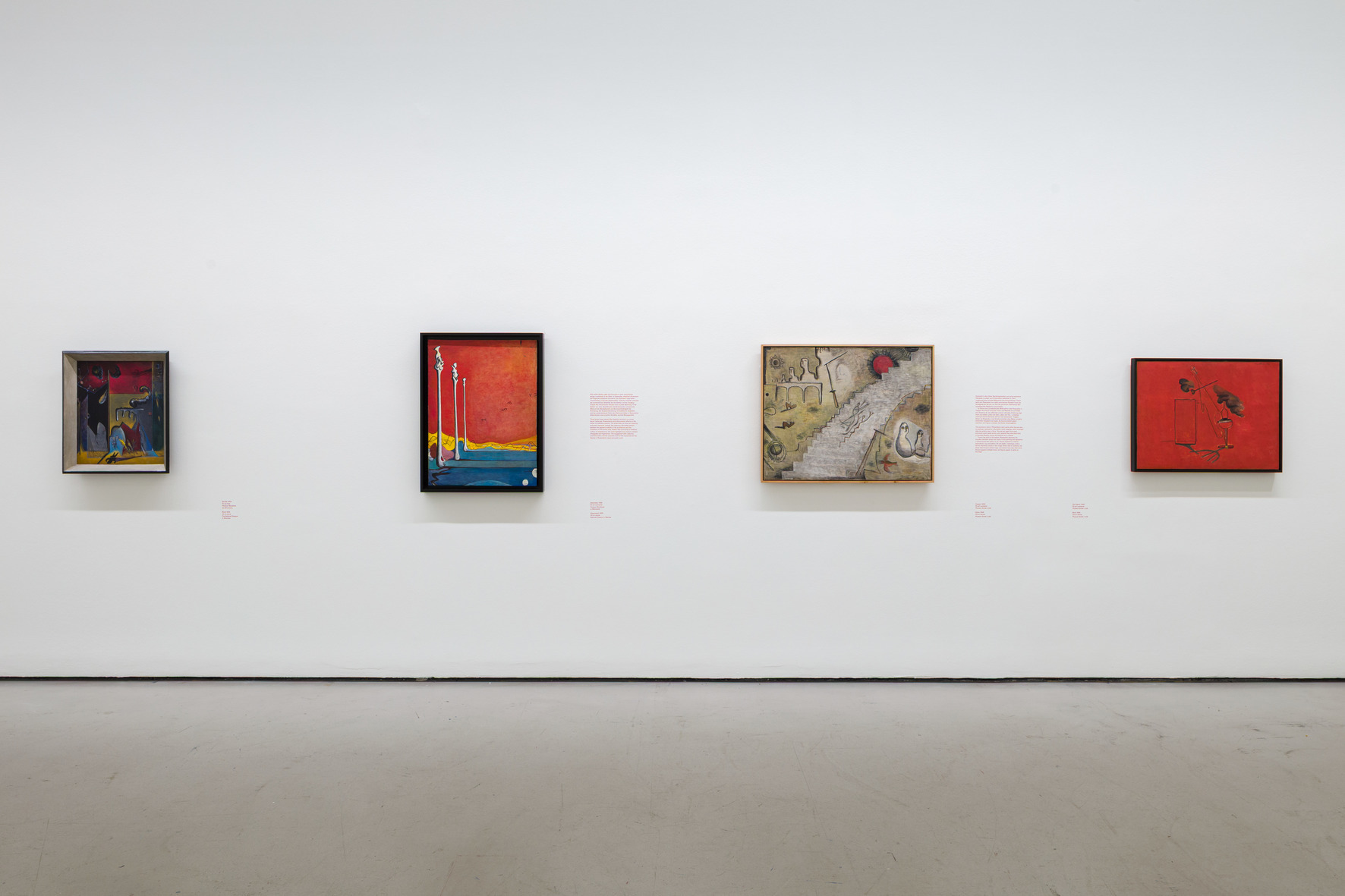
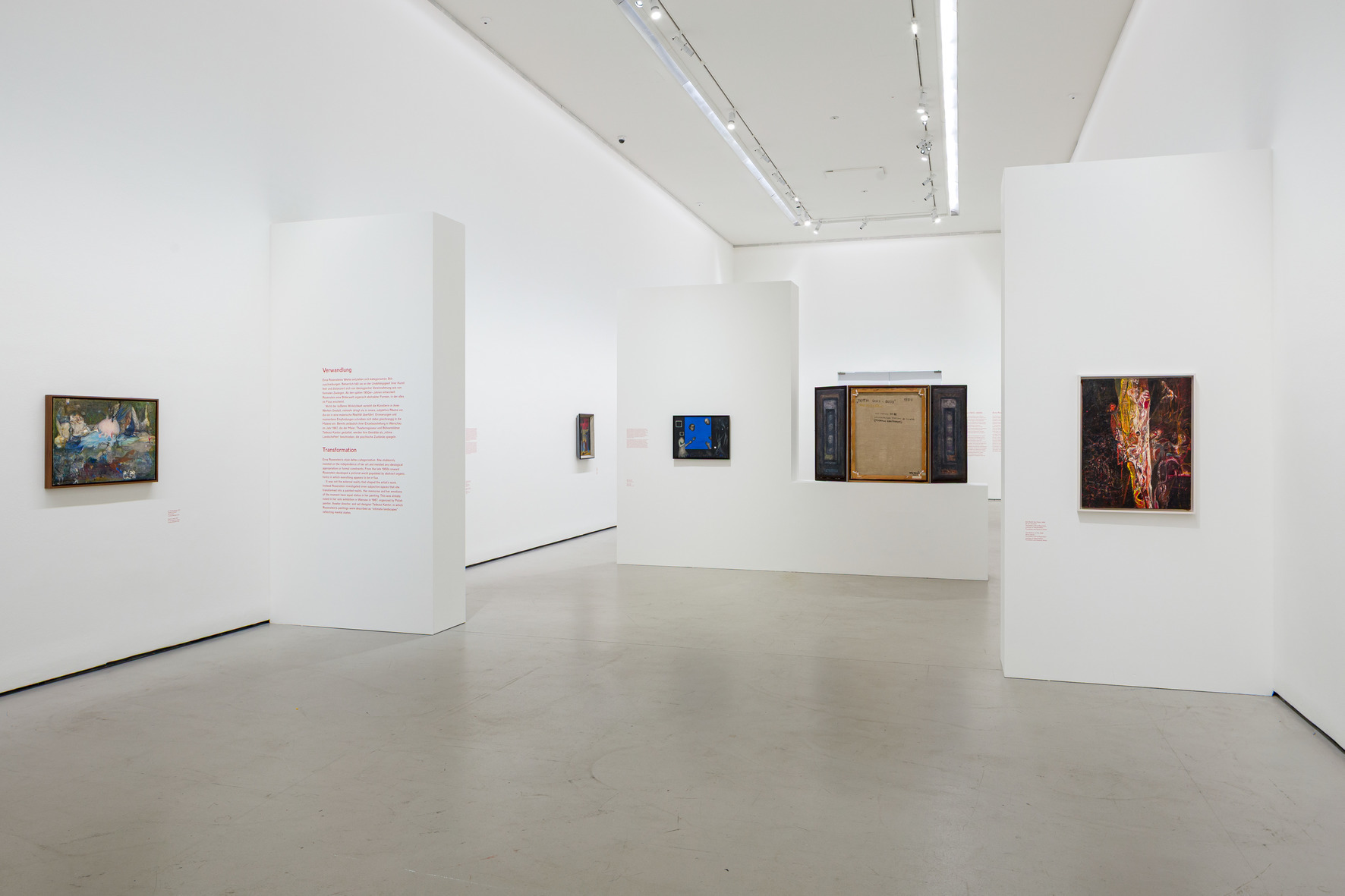
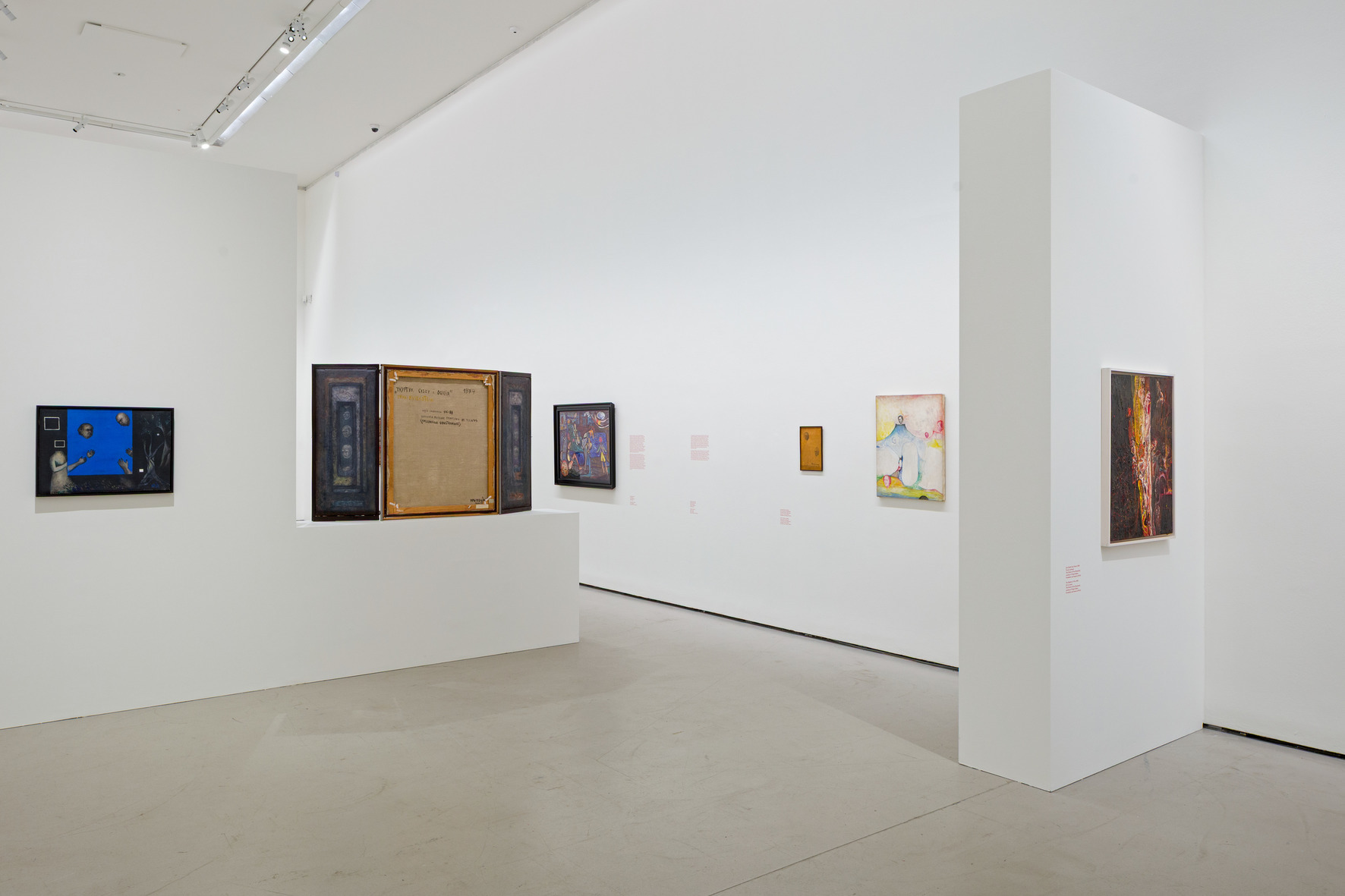
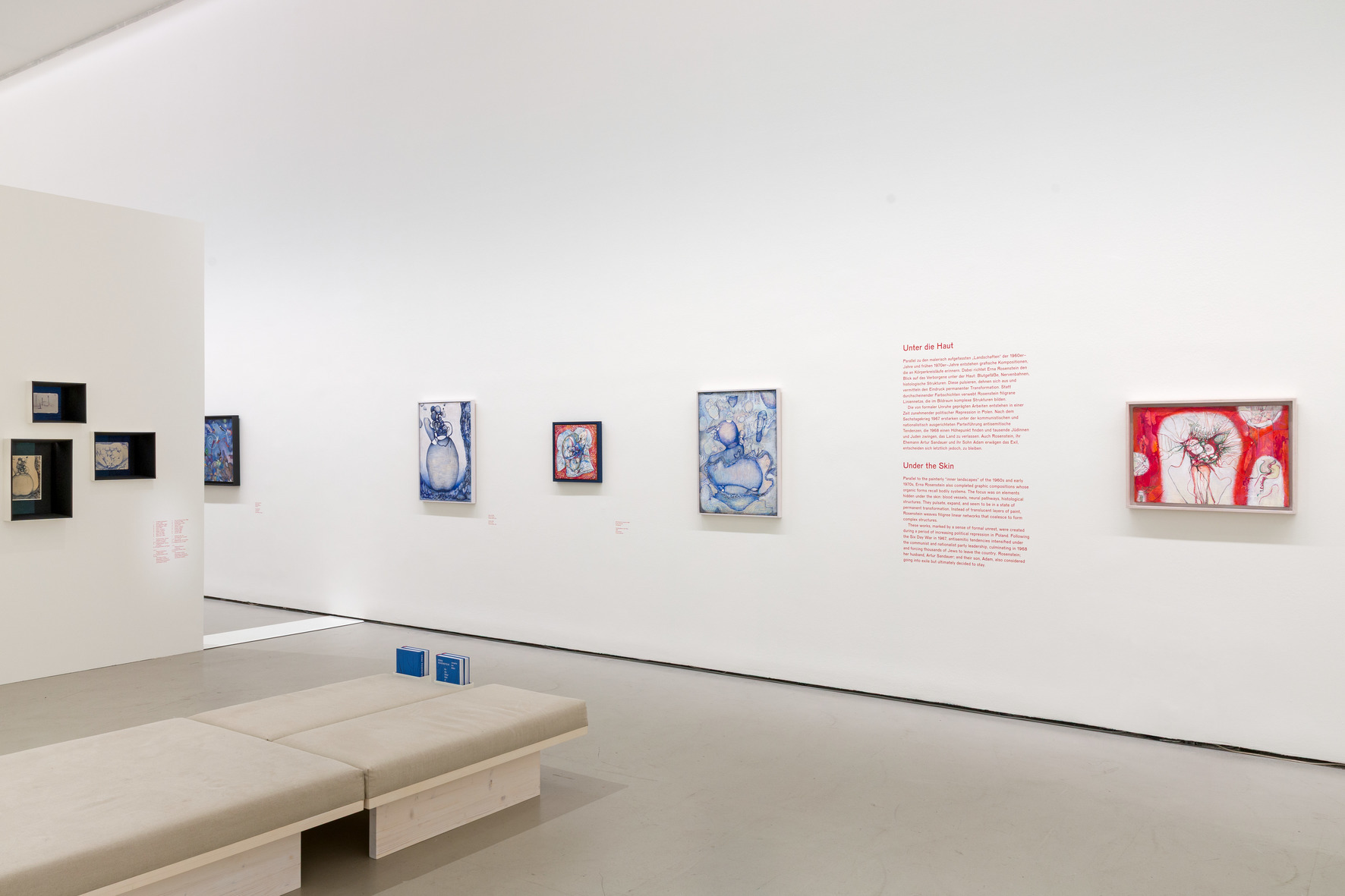
For the first time in Austria, a major retrospective is paying tribute to Erna Rosenstein (1913–2004), a key figure of the postwar Polish avant-garde. Against the backdrop of the Shoah and political upheavals in Poland, her works bear witness to the resilience of an artist who never wavered in her political and artistic ideals. In a career spanning six decades, Rosenstein developed a multimedia creative cosmos that reveals how the present interweaves with memories of the past, and how collective and individual experiences are intertwined.
Curated by Stephanie Auer.
Assistant Curator: Miroslav Haľák
In cooperation with

Impressions
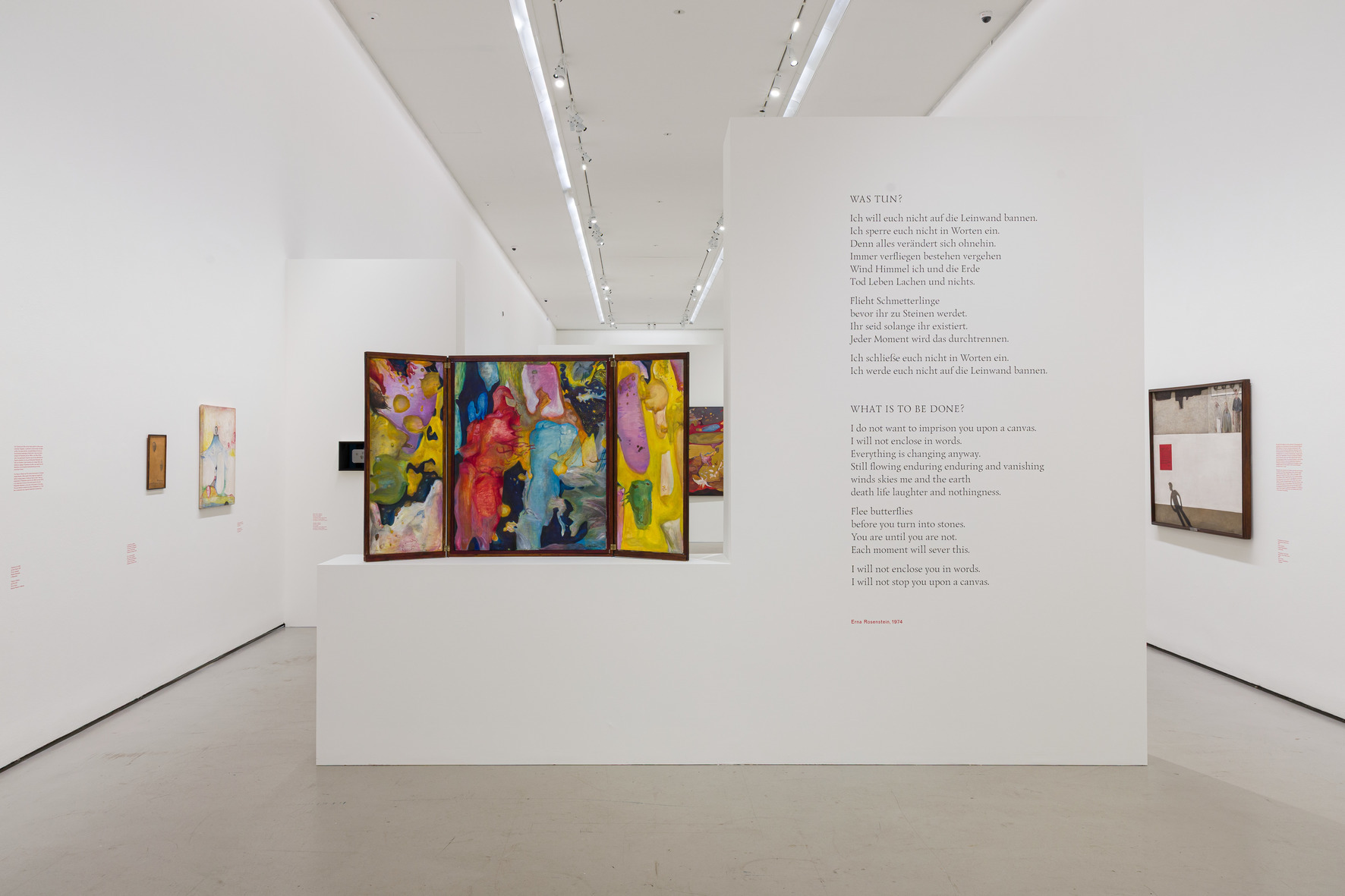
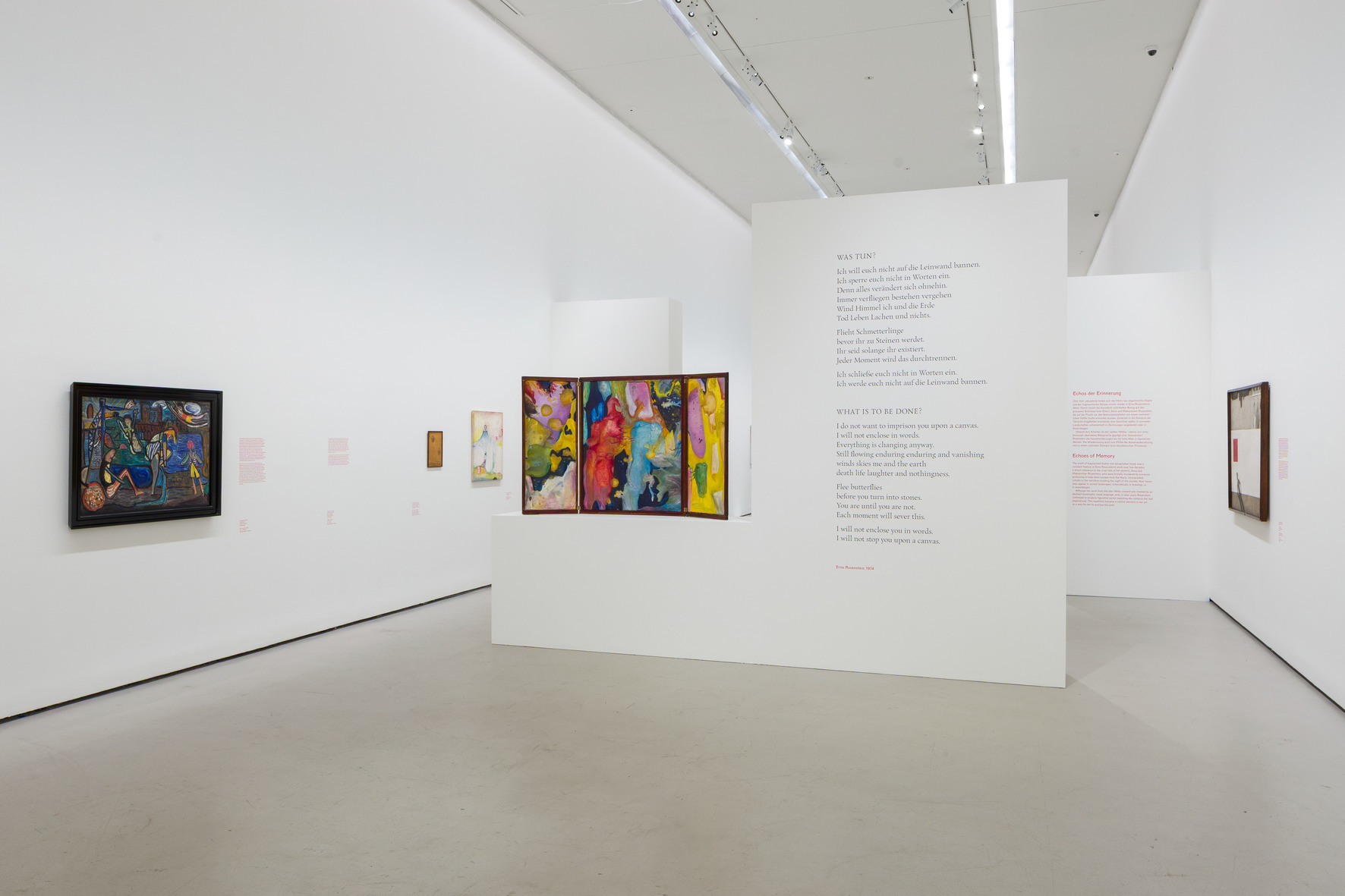
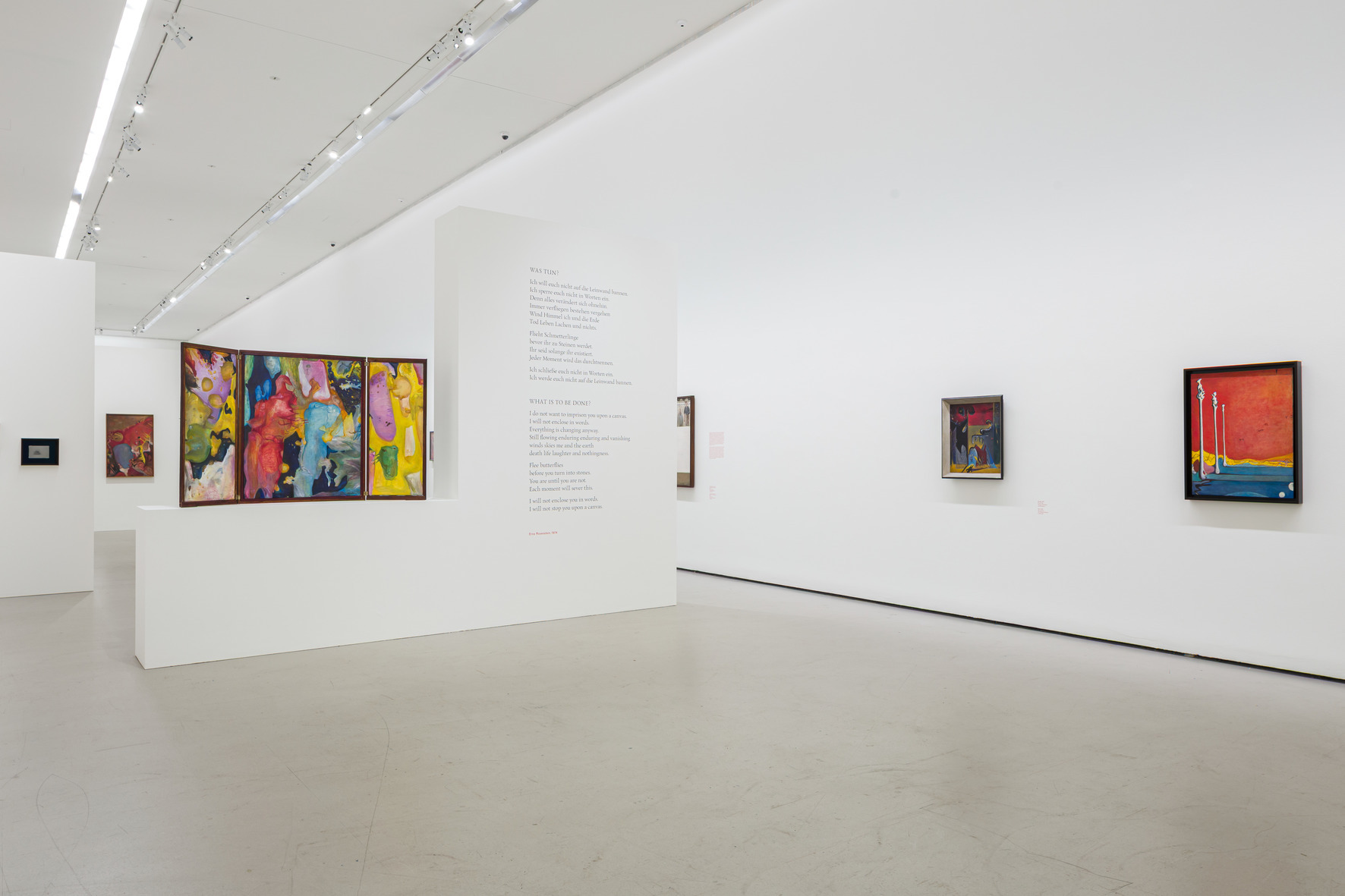
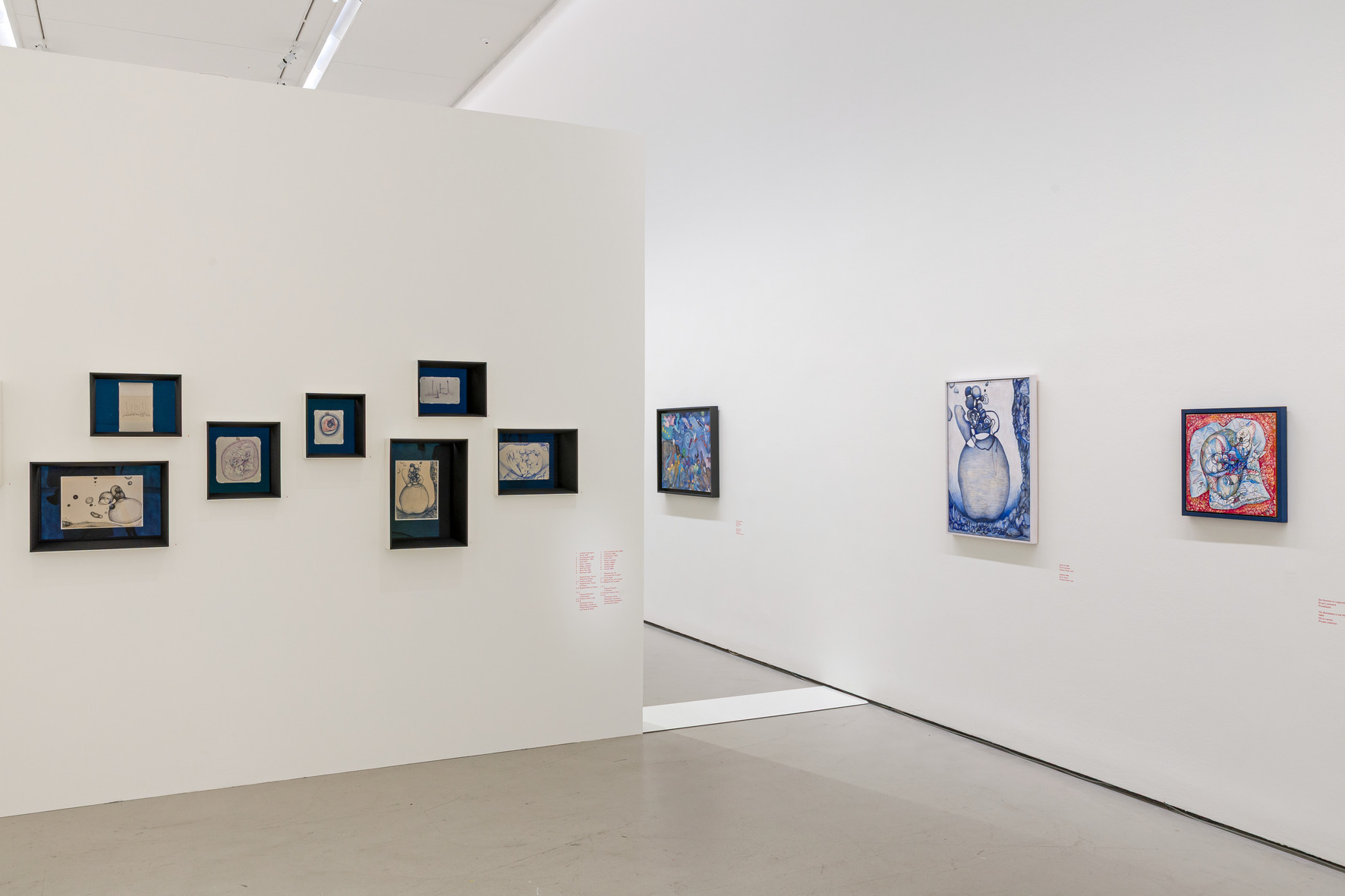
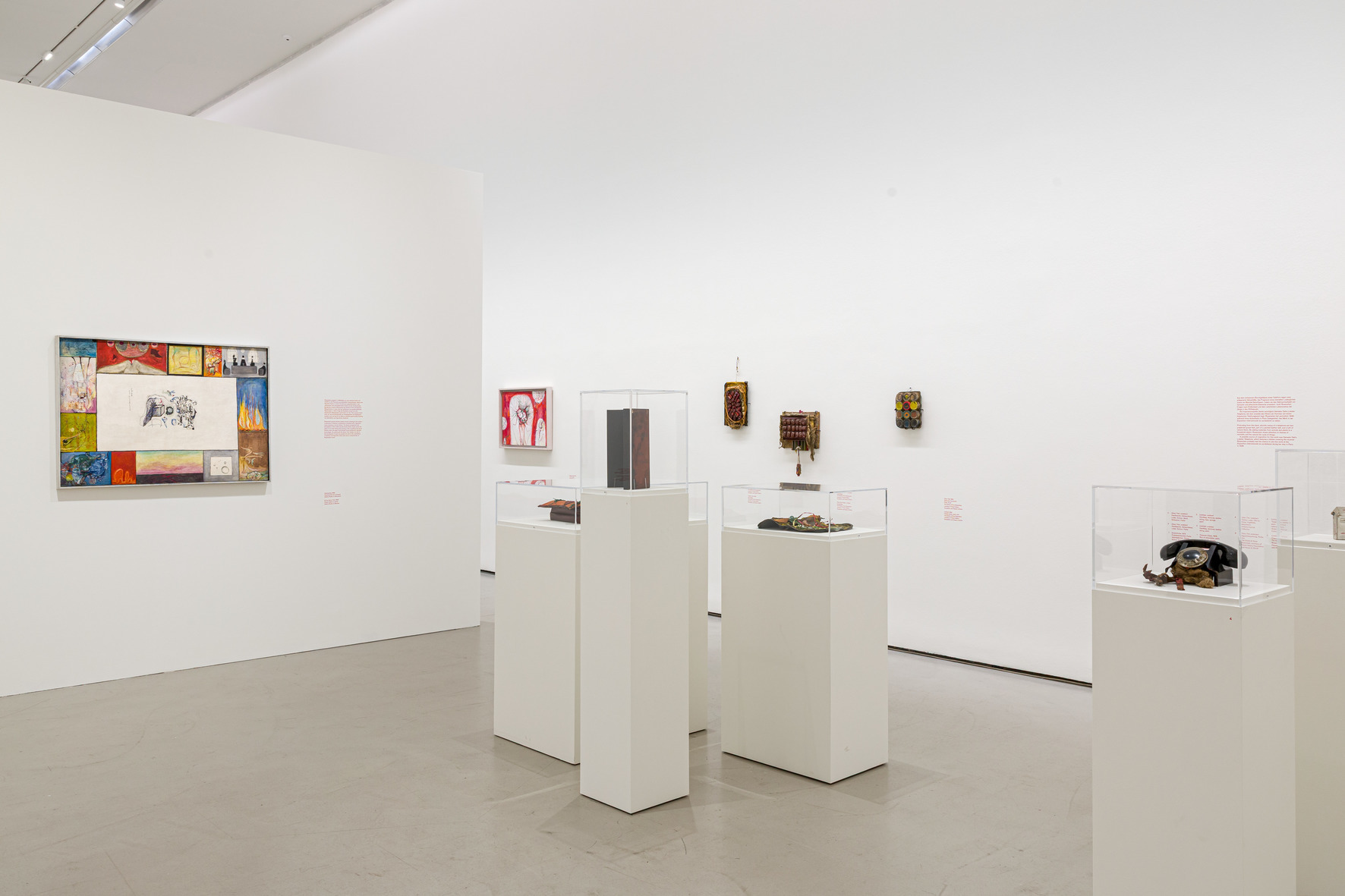
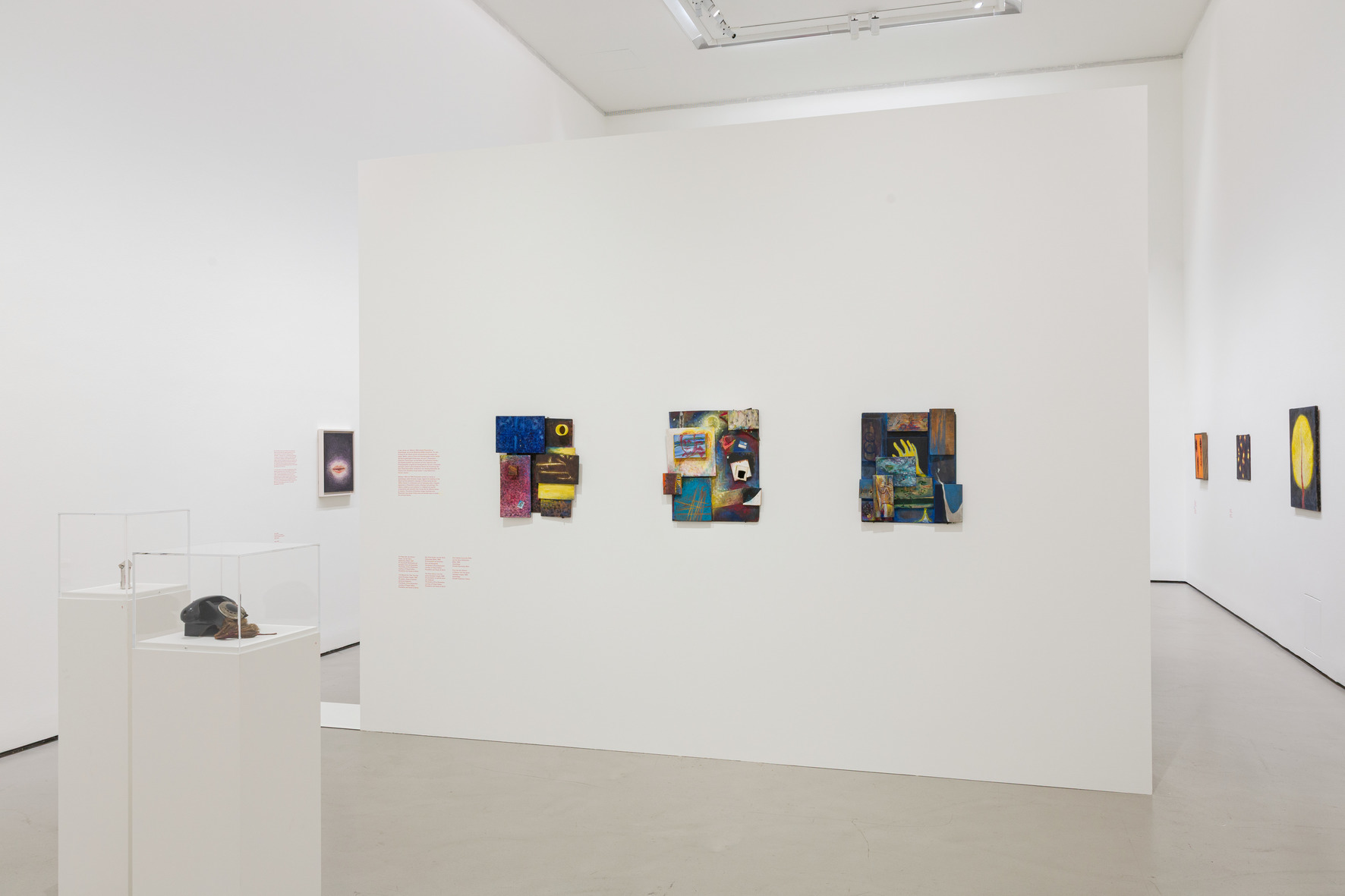
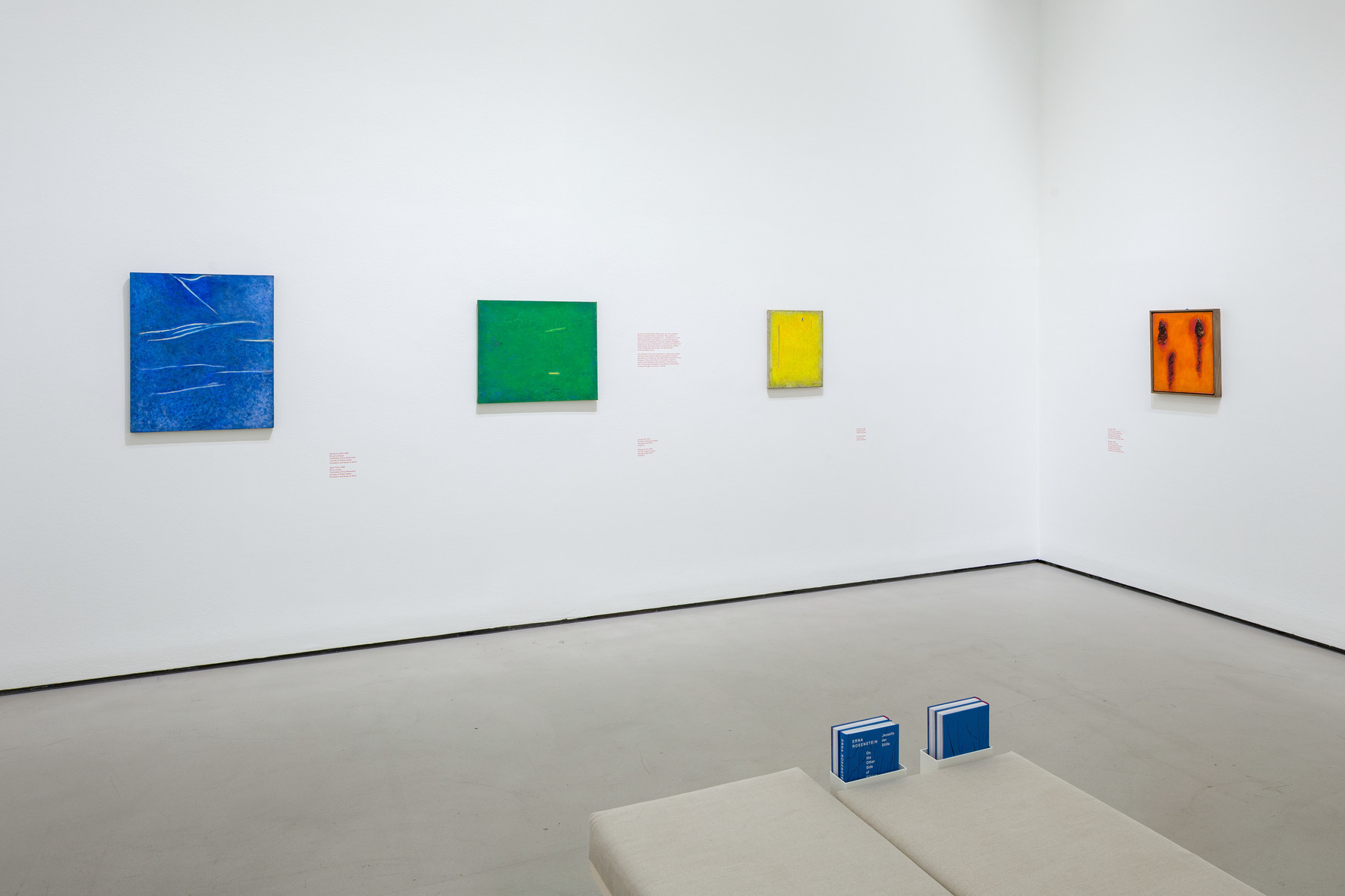
The Exhibition
Rosenstein lived in Vienna for two years in the early 1930s where she studied at the Women’s Academy, joined a communist youth organization, and witnessed the 1934 February uprising firsthand. None of the artist’s works have survived from this period. They were lost or destroyed during the years of persecution in Nazi-occupied Poland.
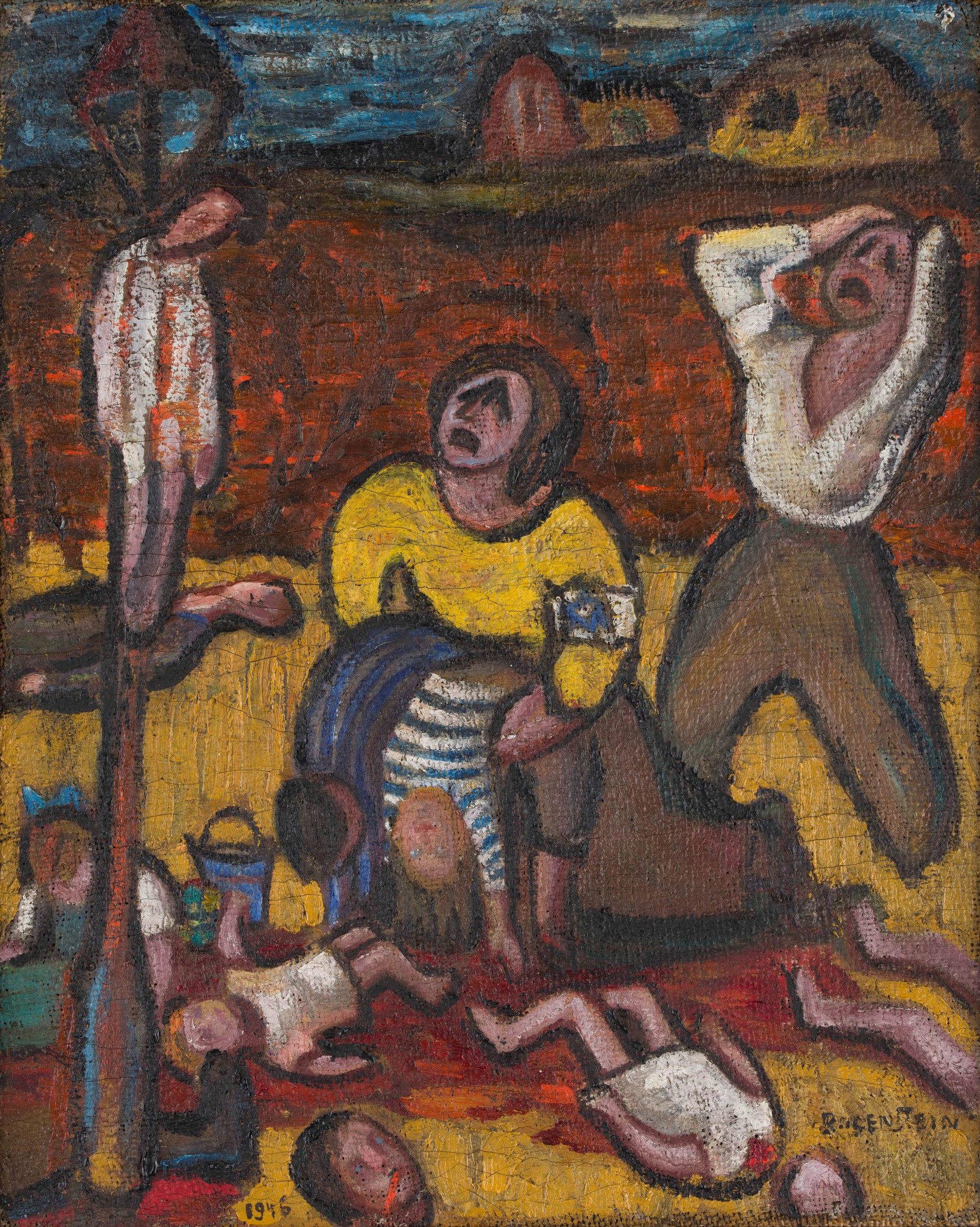
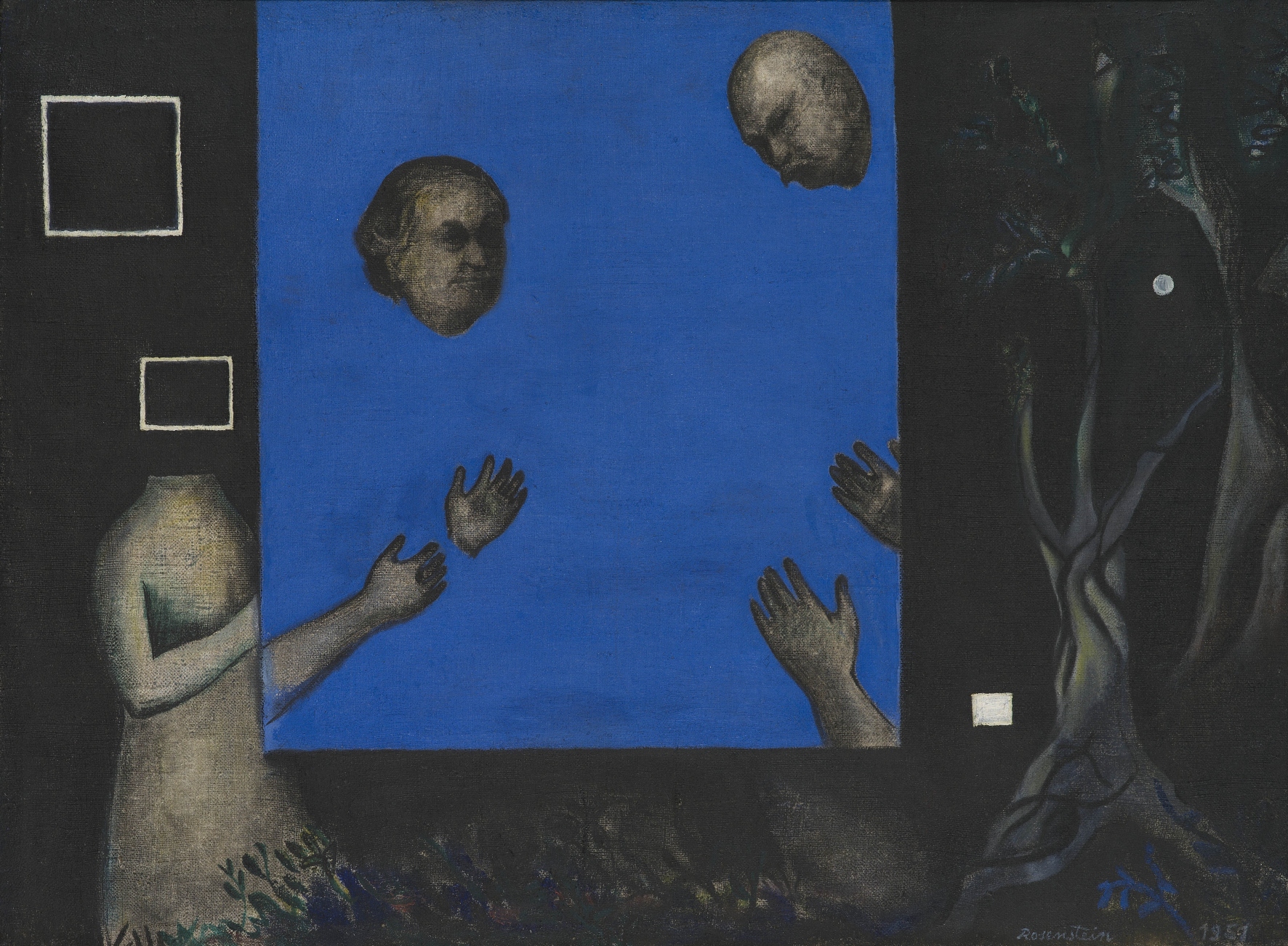
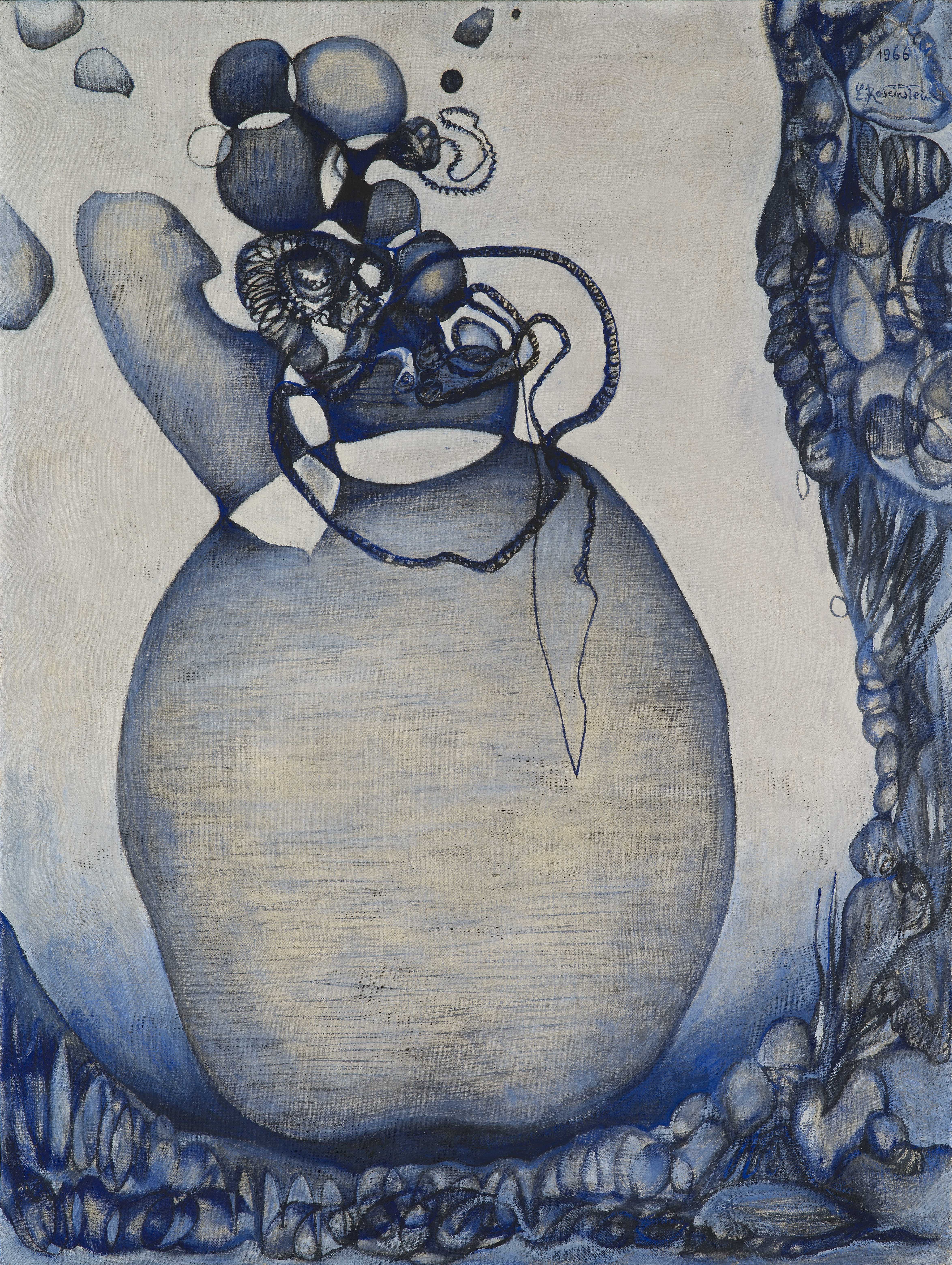
After World War II, Rosenstein adopted an expressive visual language to articulate not only the collective experience of violence but also the question of complicity. She resisted the doctrine of Socialist Realism imposed during the Stalinist era in Poland and her art was instead guided by Surrealism and subjective experiences. One theme she kept revisiting over the decades was the brutal murder of her parents, which she explored as a form of remembering and processing. Rosenstein never abandoned figuration, even when biomorphic, abstract compositions began to characterize her visual language in the late 1950s.
Enigmatic and poetic work titles create space to explore memory, trauma, and personal narratives while also reflecting how for Rosenstein—as a painter and poet—word and image are closely intertwined. Her assemblages convey the poetry of the everyday, bringing together found, used, and discarded objects to form unexpected and sometimes ironic constellations.
The approximately eighty works in the exhibition—paintings, drawings, assemblages, and poems—tell of persecution and flight, loss and grief while at the same time conveying the artist’s resilience, artistic independence, and persistent pursuit of new forms of expression.
Digital Photography Studio at the National Museum in Poznań


Biography

Erna Rosenstein was born in Lwów (now Lviv, Ukraine) in 1913. She joined an illegal communist youth organization while still at school in Kraków. From 1932 to 1934 she studied at the Vienna Women’s Academy and then at the Academy of Fine Arts in Kraków, remaining politically active during this time. In 1938 she visited the Exposition internationale du surréalisme in Paris. The members of Rosenstein’s family were persecuted during World War II on account of their Jewish origins. In 1942 her parents, Anna and Maksymilian Rosenstein, were murdered while attempting to escape. Erna Rosenstein survived with injuries and went into hiding under various aliases for the remainder of the war. In 1945 she joined the Polish Workers’ Party, and remained a member of its successor, the Polish United Workers‘ Party until the collapse of the communist regime in 1989. In 1947–48 she traveled to Switzerland, Britain, and France. In Paris she met up again with literary critic Artur Sandauer, her future husband, with whom she lived in Warsaw from 1949. During the Stalinist era in Poland (1948–56) , she rejected the politically ordained Socialist Realism style and worked outside the official art scene. A state-orchestrated antisemitic campaign by the communist leadership, which came to a head in 1968, led again to repression. Yet the artist never left the communist party or went into exile, instead becoming one of the most important exponents of postwar art in Poland. A founding member of the second Kraków Group, which also included artists Tadeusz Kantor, Maria Jarema, and Tadeusz Brzozowski, Rosenstein contributed to major exhibitions of contemporary art both in Poland and abroad.
Catalogue
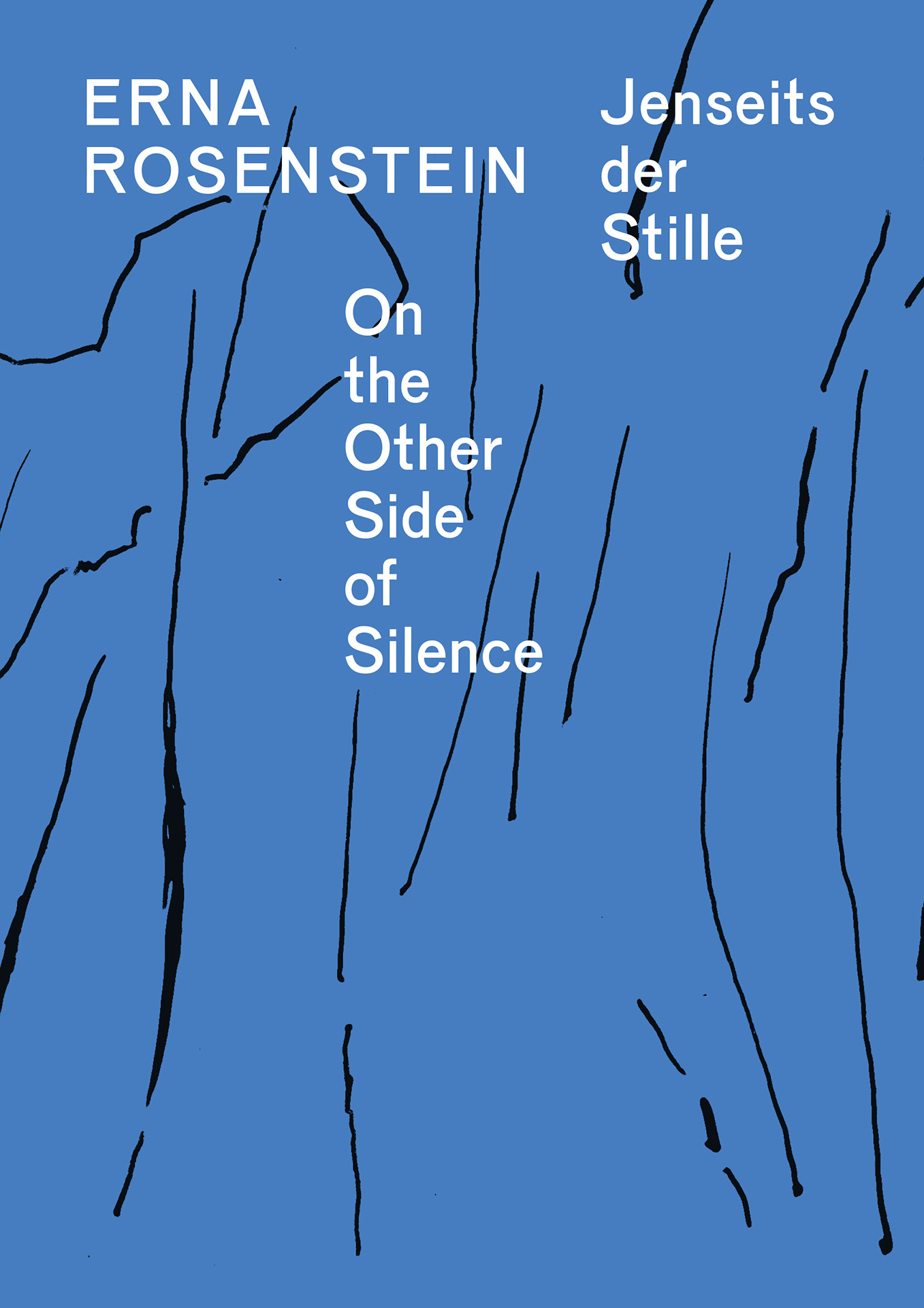
Editors: Stella Rollig, Stephanie Auer
Authors: Stephanie Auer, Dorota Jarecka, Ulrike Kadi, Stella Rollig, Aleksandra Ściegienna, Piotr Słodkowski, Adam Szymczyk
Graphic design: Willi Schmid
Publishing year: 2026
Publisher: Verlag der Buchhandlung Walther und Franz König, Köln
Number of pages: 312 pages, 145 images
Format: 16,5 × 23,2 cm, Hardcover
ISBN: 978-3-7533-1044-2 (DE & EN)
€ 34,90 (incl. VAT) Available from july on site.