

-
Anni Albers
Constructing Textiles
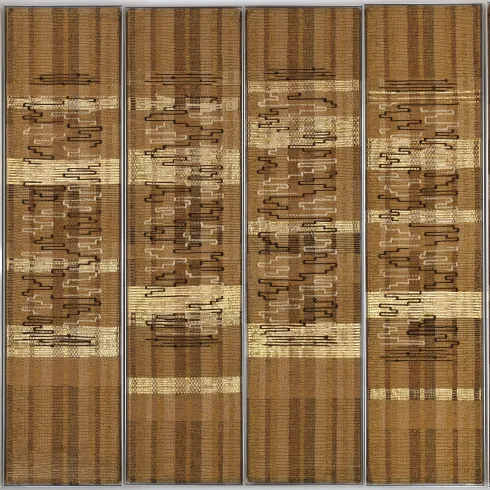
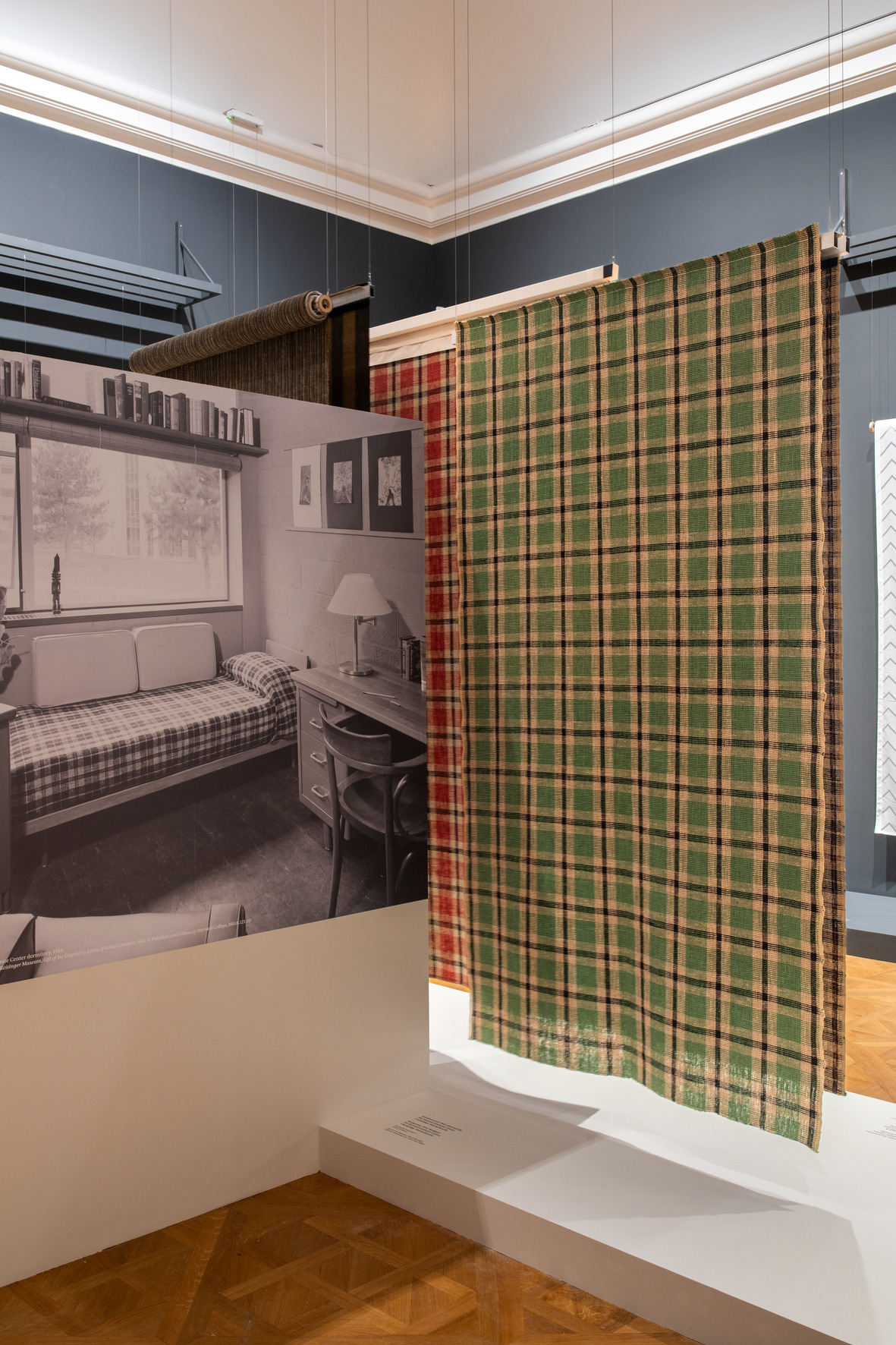
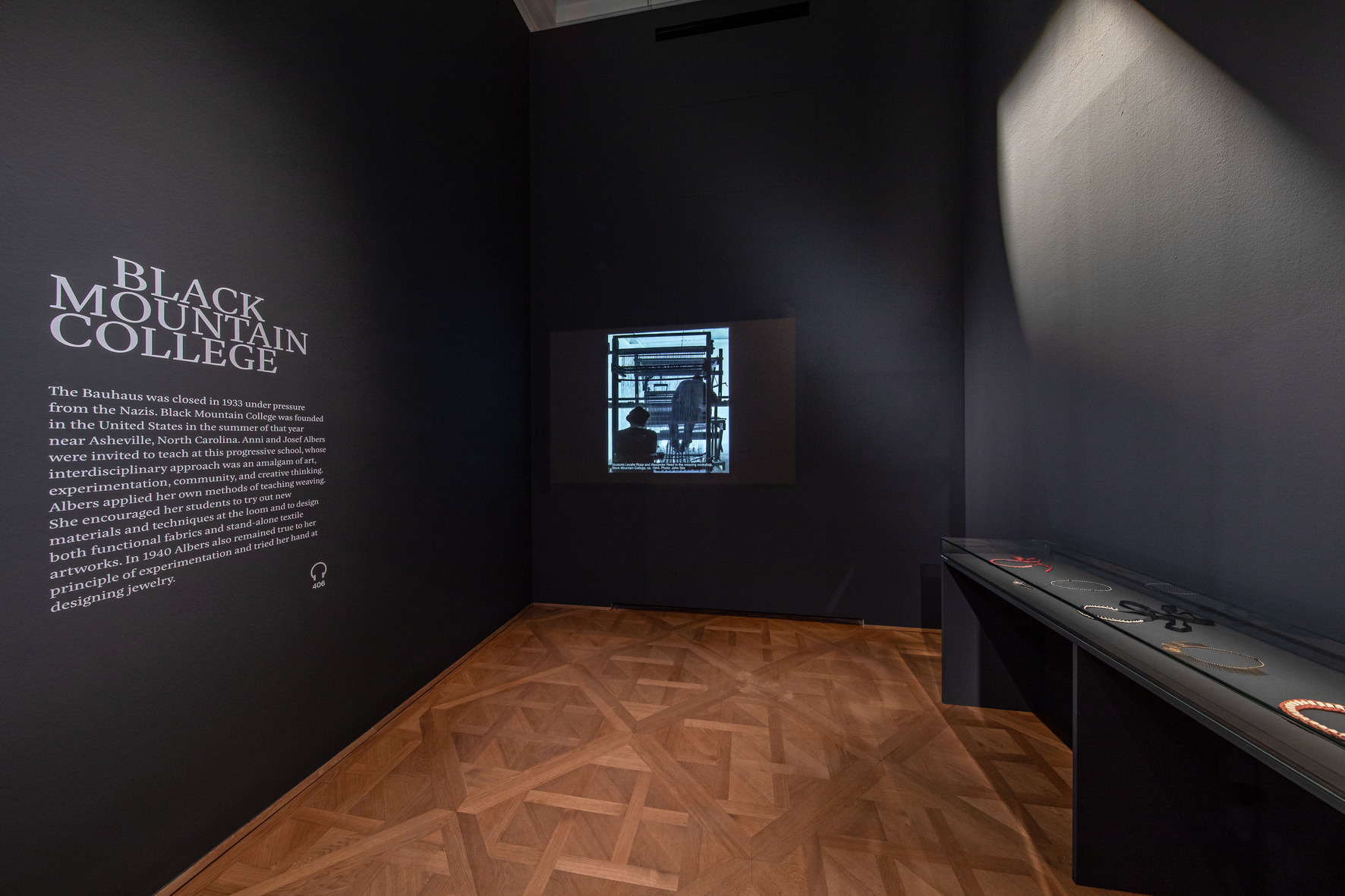
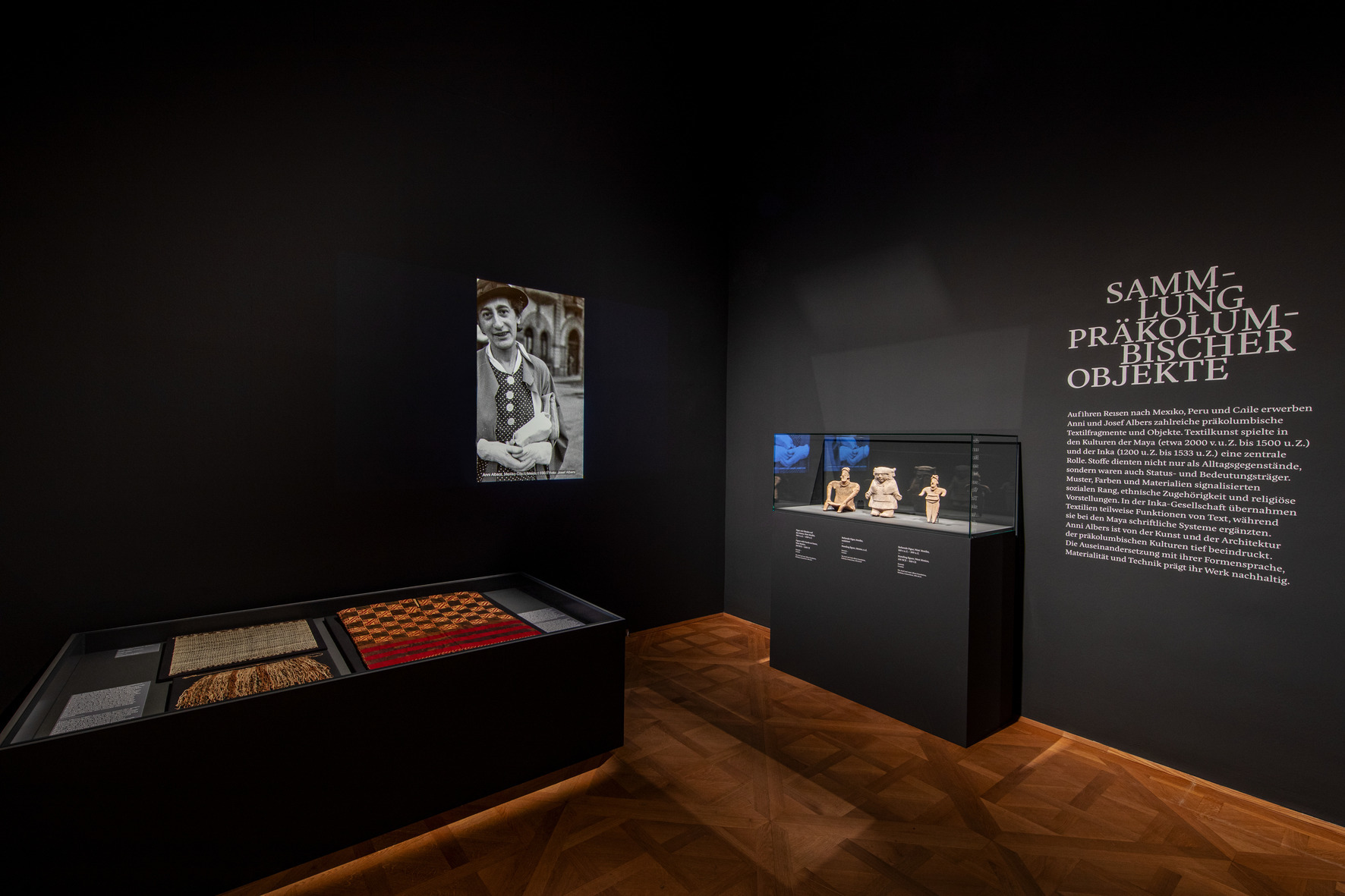
The exhibition Anni Albers: Constructing Textiles is the first major exhibition to showcase the work of the important German-American artist and designer in Austria. From her beginnings at the Bauhaus through to her influential work at Black Mountain College and her theoretical studies, the show will shed light on Albers’s multifaceted oeuvre straddling art and design, craft, teaching, and art theory.
The exhibition was organized by the Zentrum Paul Klee, Bern, and the Josef and Anni Albers Foundation, Bethany, Connecticut, in cooperation with the Belvedere, Vienna.
Curated by Brenda Danilowitz (Josef and Anni Albers Foundation, Bethany, CT) and Fabienne Eggelhöfer (Zentrum Paul Klee, Bern).
Assistant Curators: Kai-Inga Dost (Zentrum Paul Klee, Bern), Amy Jean Porter and Karis Medina (Josef and Anni Albers Foundation, Bethany, CT), Kati Renner (Belvedere, Vienna)
In cooperation with


Impressions
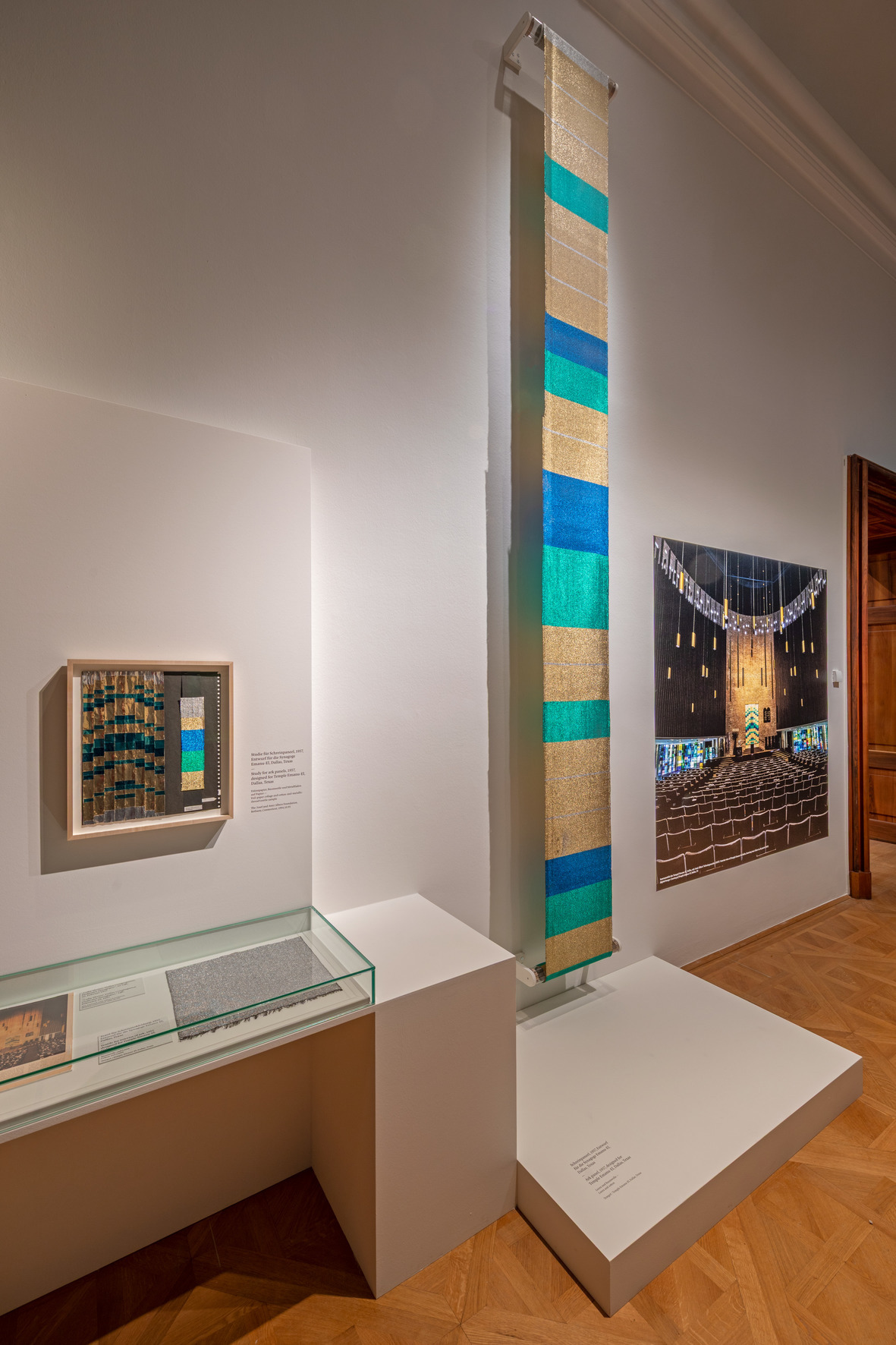
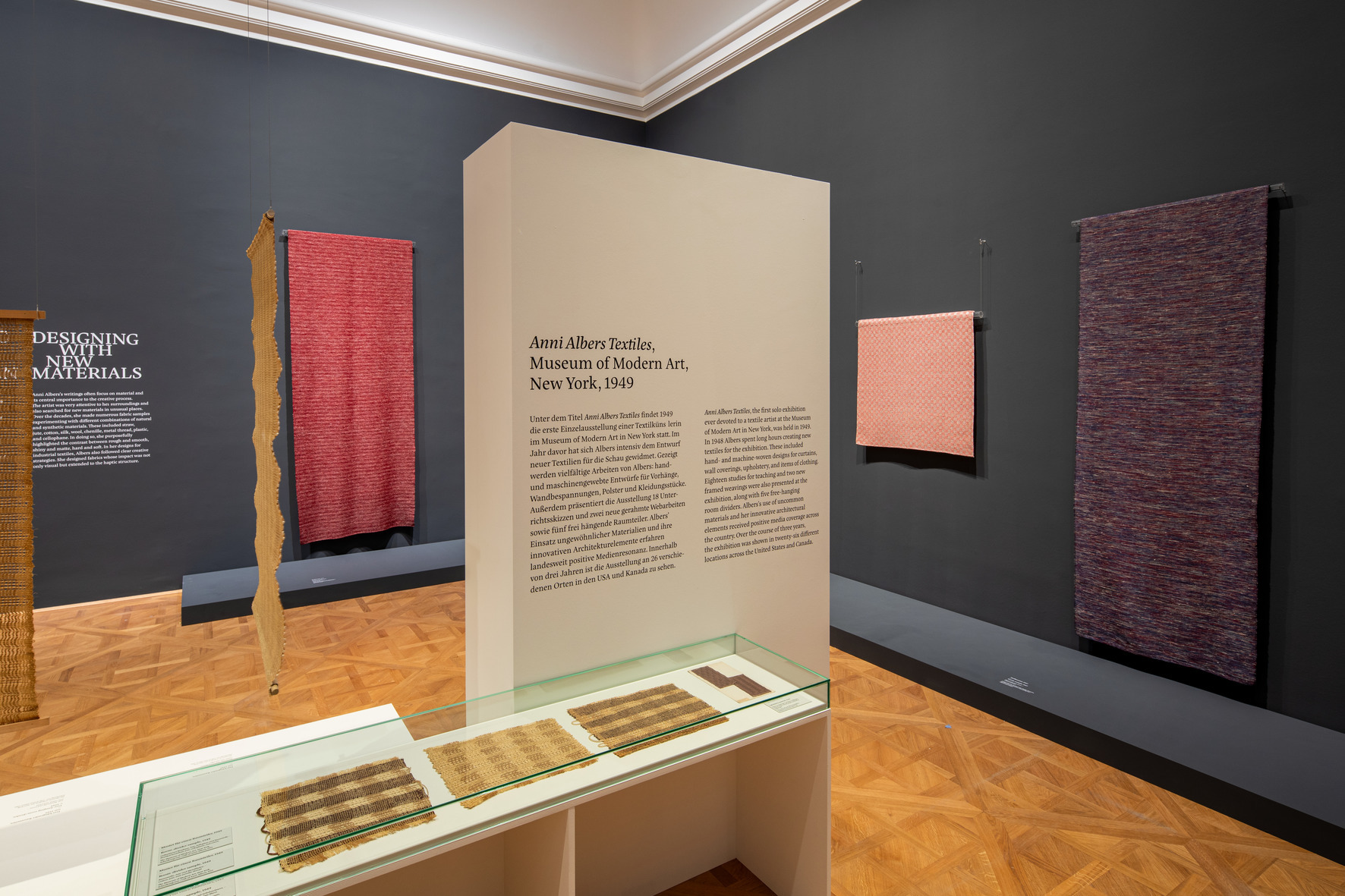
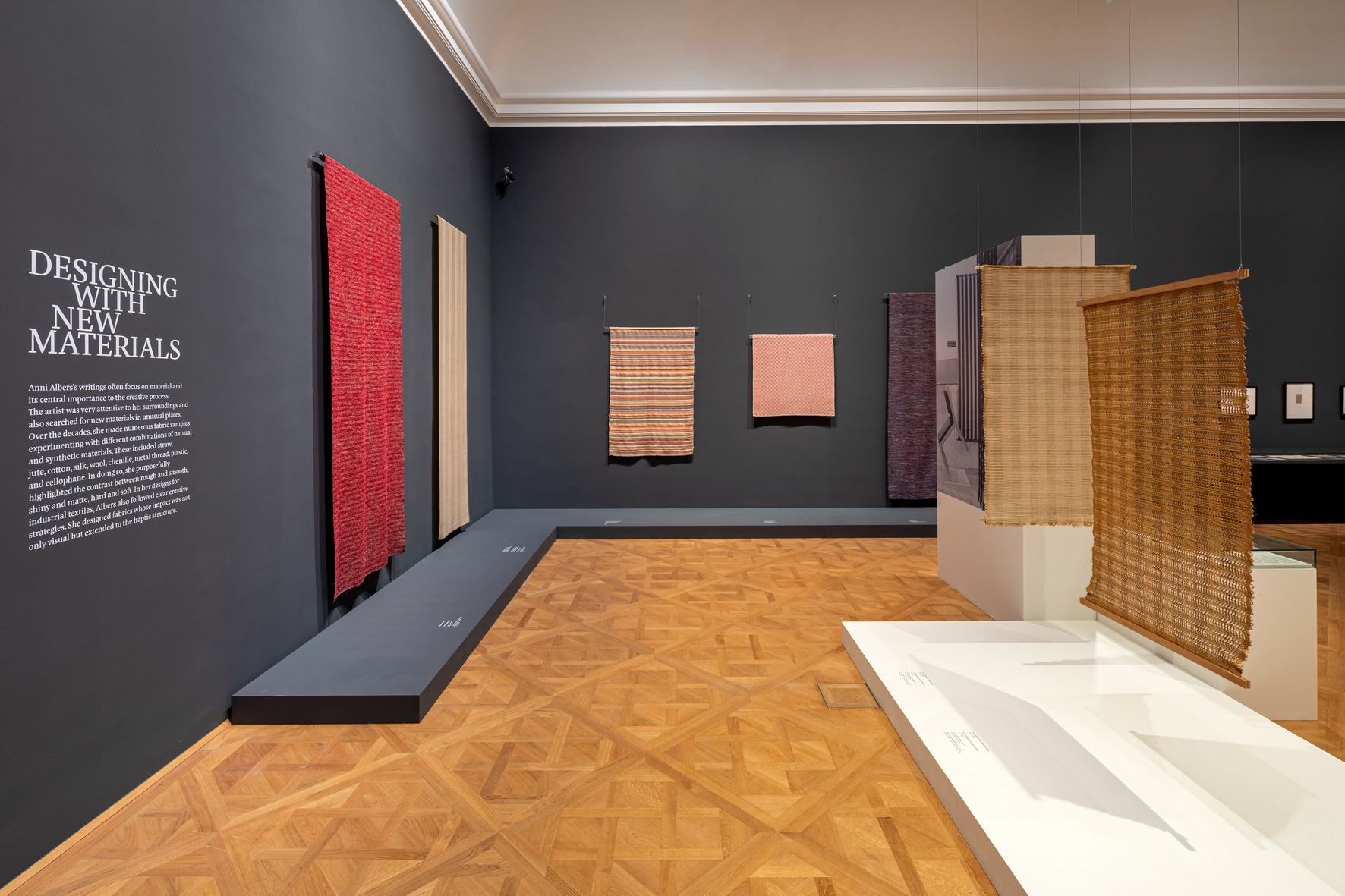
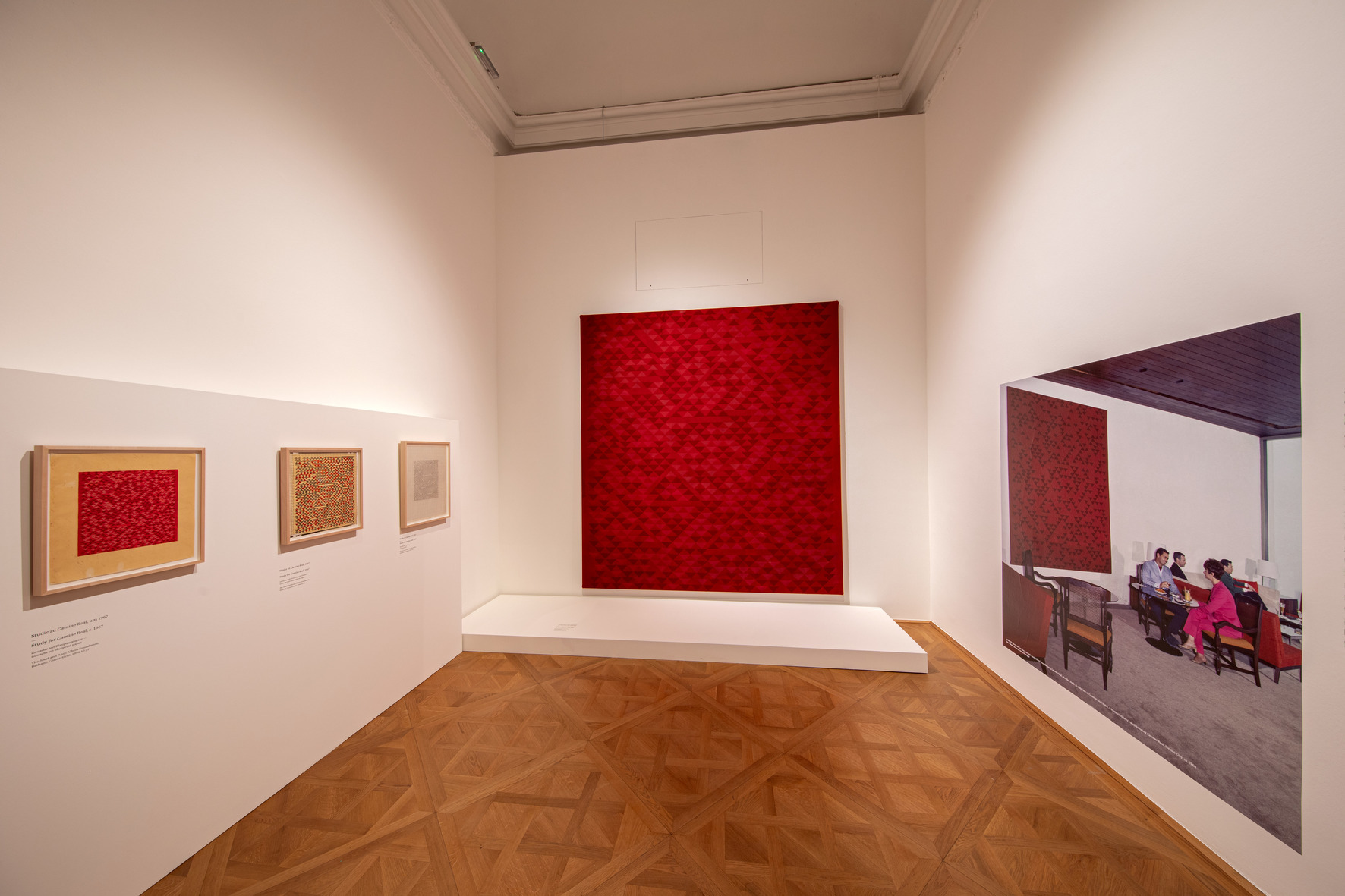
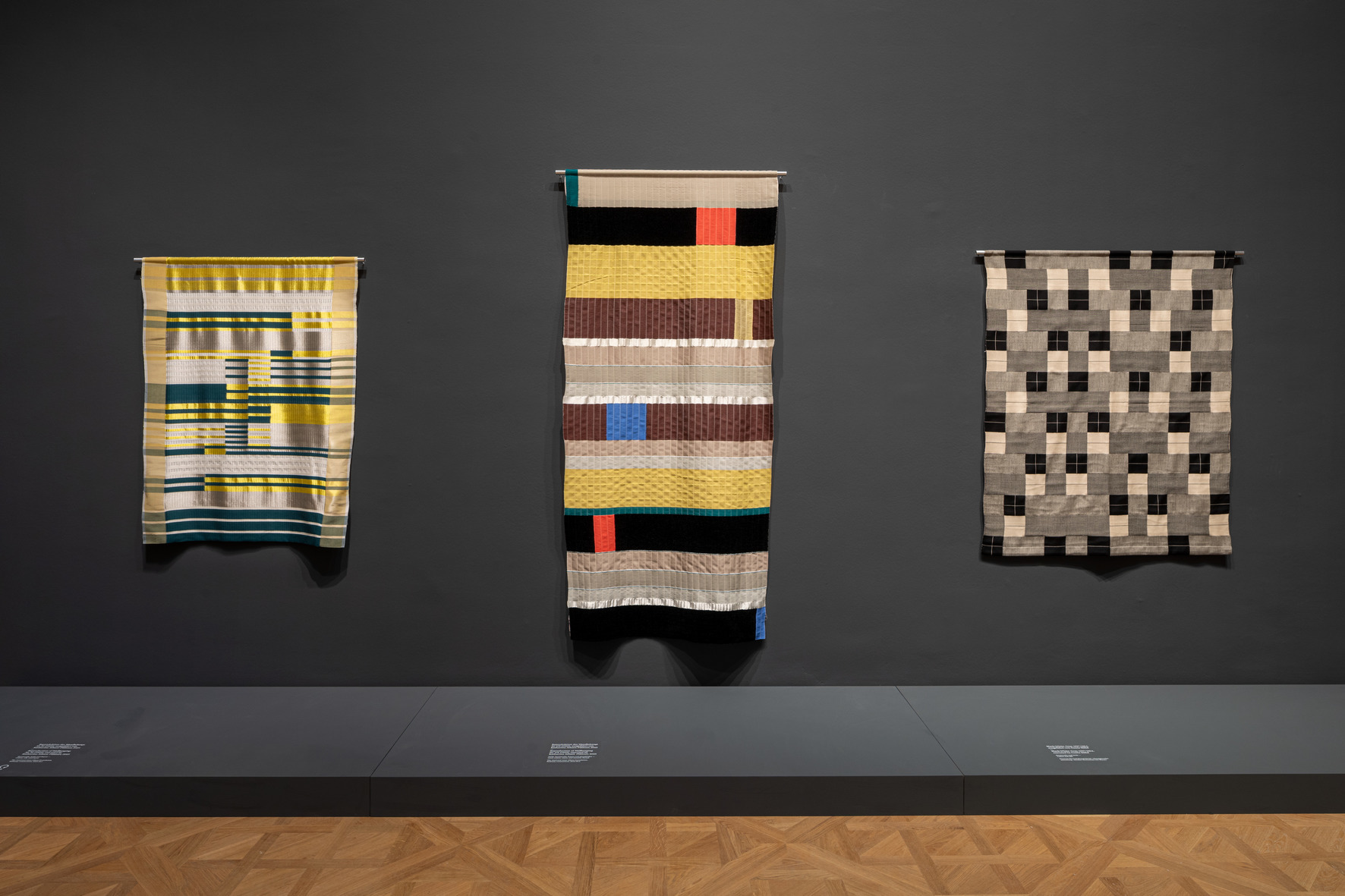
The Exhibition
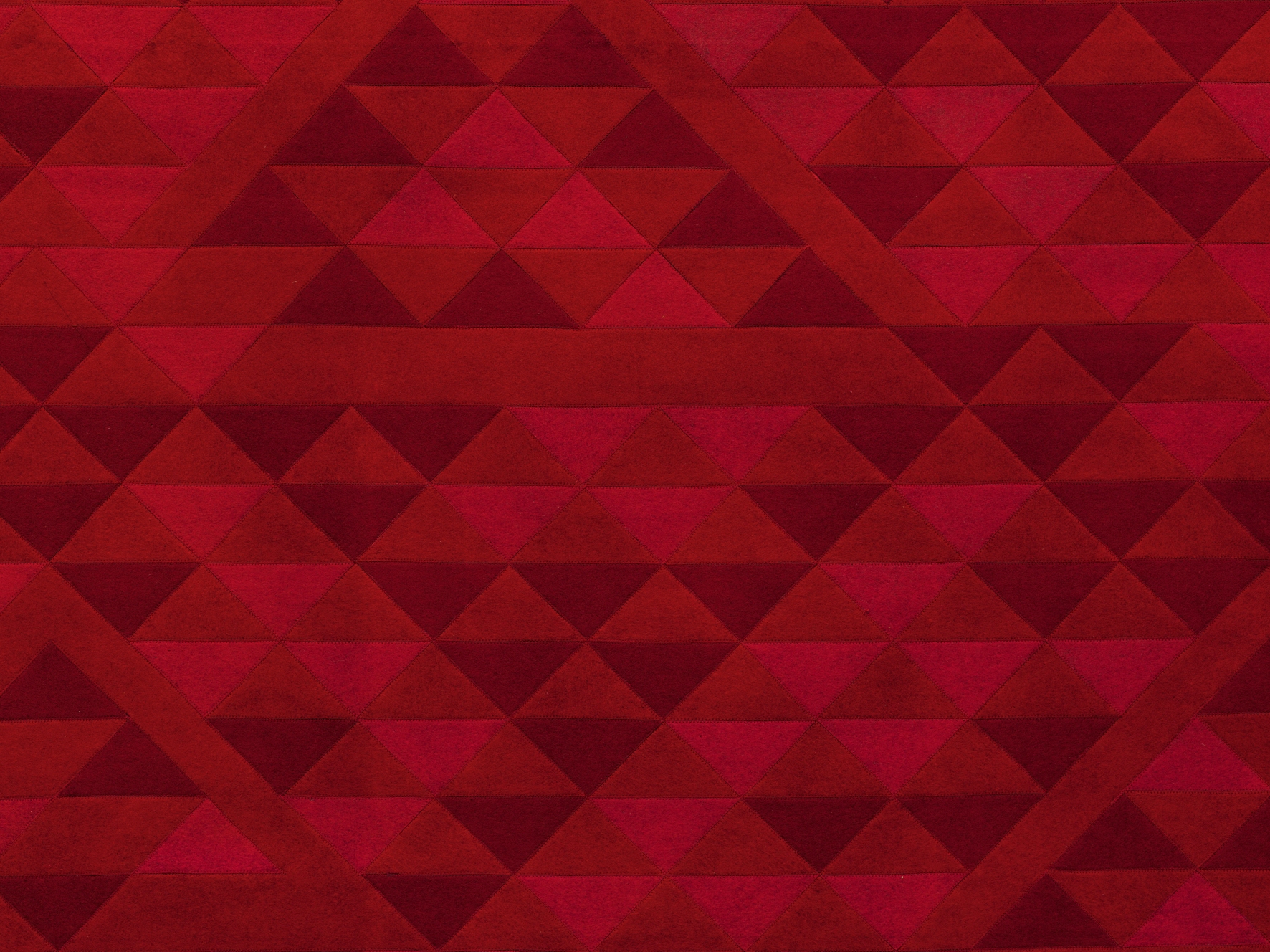


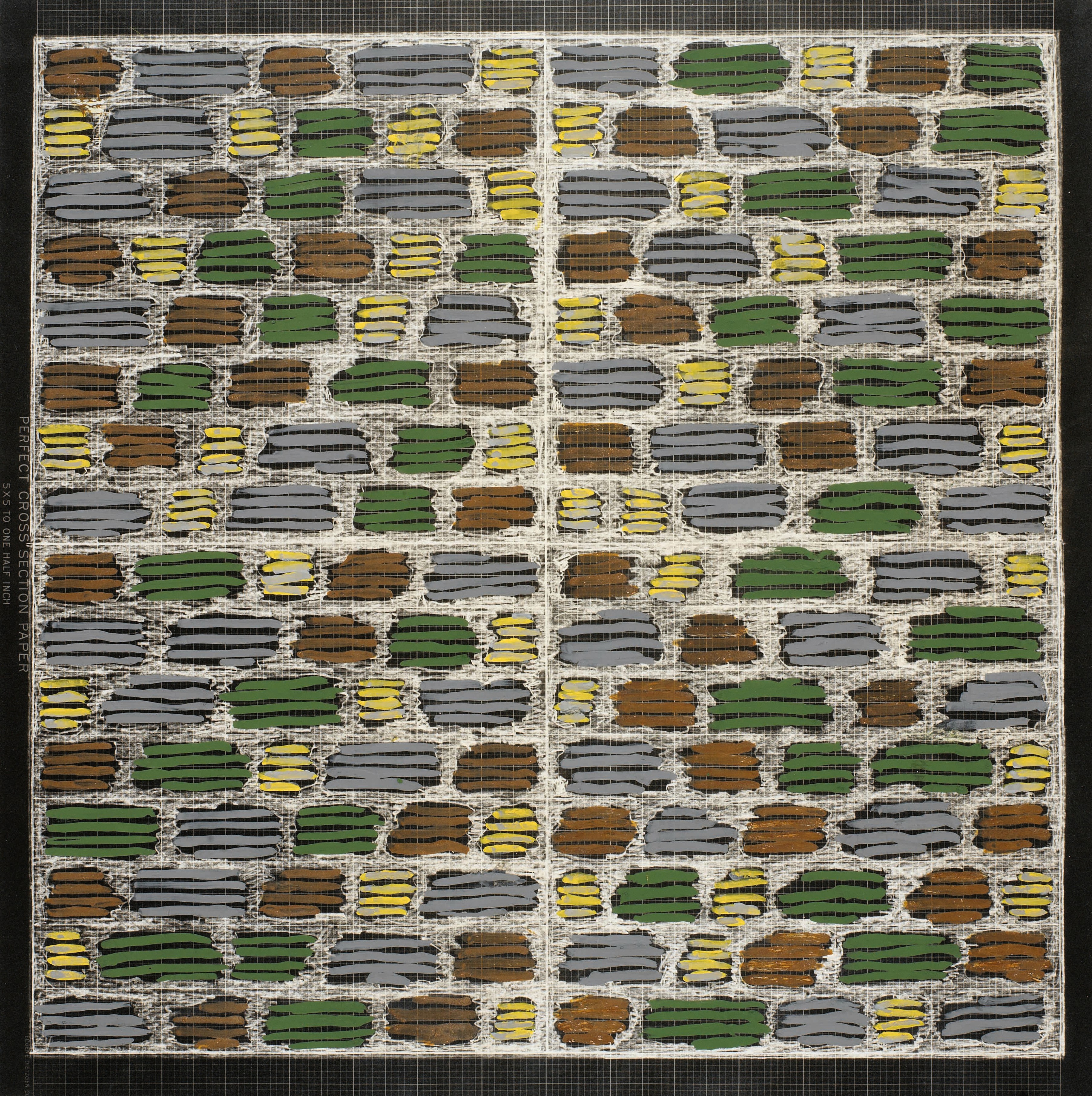
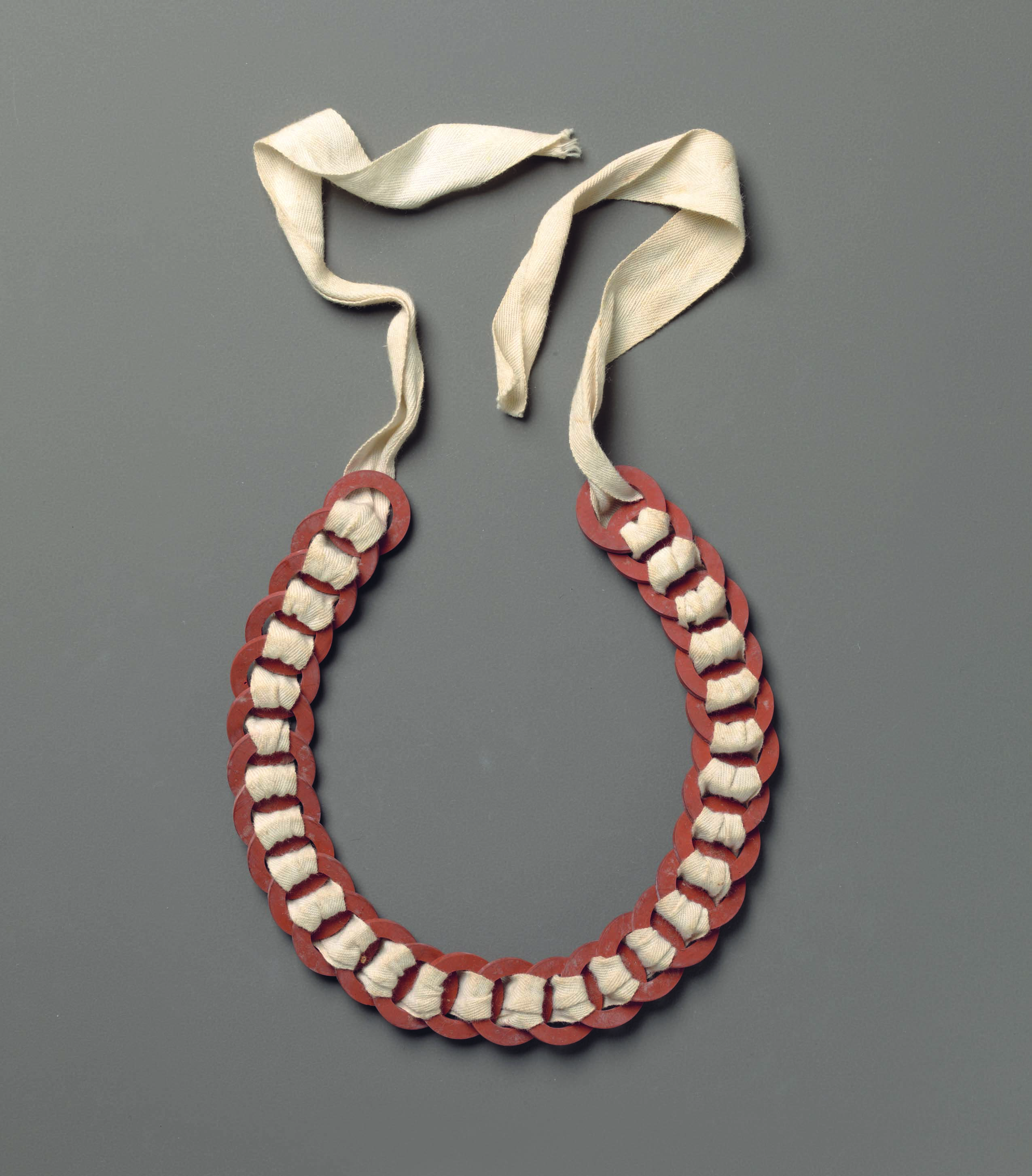

Das vielfältige Werk der Künstlerin und Designerin Anni Albers (1899–1994) wird erstmals in Österreich mit einer großen Personale gewürdigt. Albers’ kreatives und experimentelles Schaffen beginnt in den 1920er-Jahren am Bauhaus. 1933 emigriert sie in die USA und etabliert sich dort als vielfältige Künstlerin. Sie entwickelt komplexe Webstrukturen und verwendet neuartige Fasern. Neben Bildwebereien, die als autonome Kunstwerke zu betrachten sind, widmet sich Albers der Herstellung neuer Textilien für Gebäude und Innenräume, sogenannter „nützlicher Objekte“. Albers erachtet das Weben als fortschrittlichste Form des modernen architektonischen Denkens. Durch das tiefgreifende Verständnis des Materials und seiner Anwendungen ist Albers’ Arbeit von hoher Aktualität und Relevanz im Hinblick auf heutige Herausforderungen in den Bereichen Energie und materielle Ressourcen.
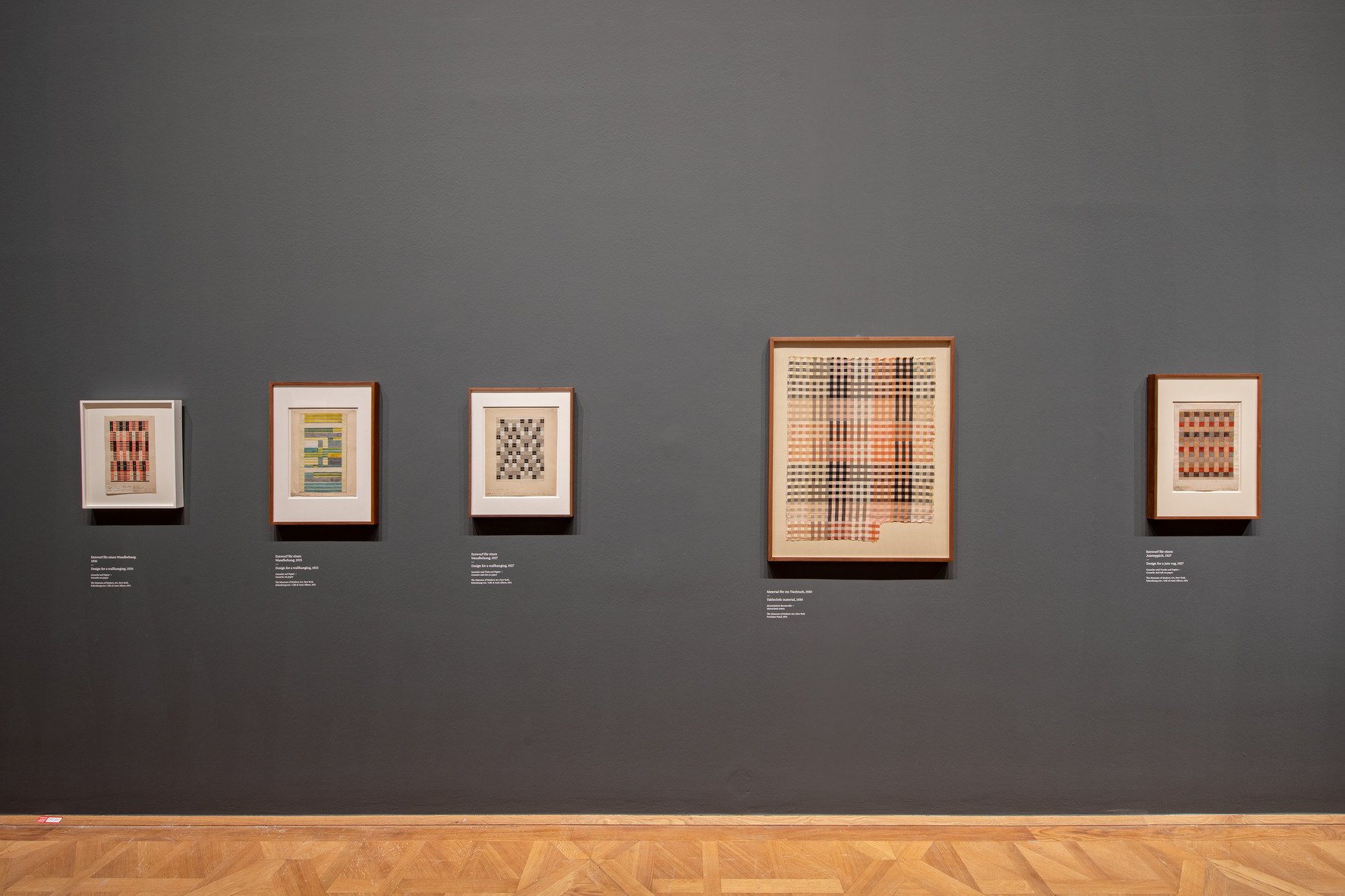
Anhand von zahlreichen Werken aus allen Schaffensperioden, beginnend mit den Anfängen am innovativen Bauhaus in Weimar, Dessau und Berlin über die Zeit am legendären Black Mountain College bis in die 1980er-Jahre, präsentiert die Ausstellung ihre facettenreiche Karriere zwischen Textilem und Architektur, Weben und Bauen, Vergangenheit und Gegenwart. Sie umfasst sowohl Materialstudien, Textilmuster und Entwürfe als auch Bildgewebe, großformatige Raumteiler, Teppiche, Vorhangstoffe und theoretische Schriften.For the first time in Austria, a major solo exhibition will pay tribute to the diverse work of artist and designer Anni Albers (1899–1994). Albers’s inventive and experimental creative output began at the Bauhaus in the 1920s. In 1933 she emigrated to the USA, where she soon became established as a versatile artist. She explored complex woven structures and introduced innovative materials as her threads. In addition to pictorial weavings—works of art in their own right—Albers produced new textiles for buildings and interiors that she termed “useful objects.” Albers viewed weaving as the most progressive form of modern architectonic thinking. Her deep understanding of her material and its applications makes Anni Albers’s work seem current and relevant to the challenges we now face concerning energy and material resources.
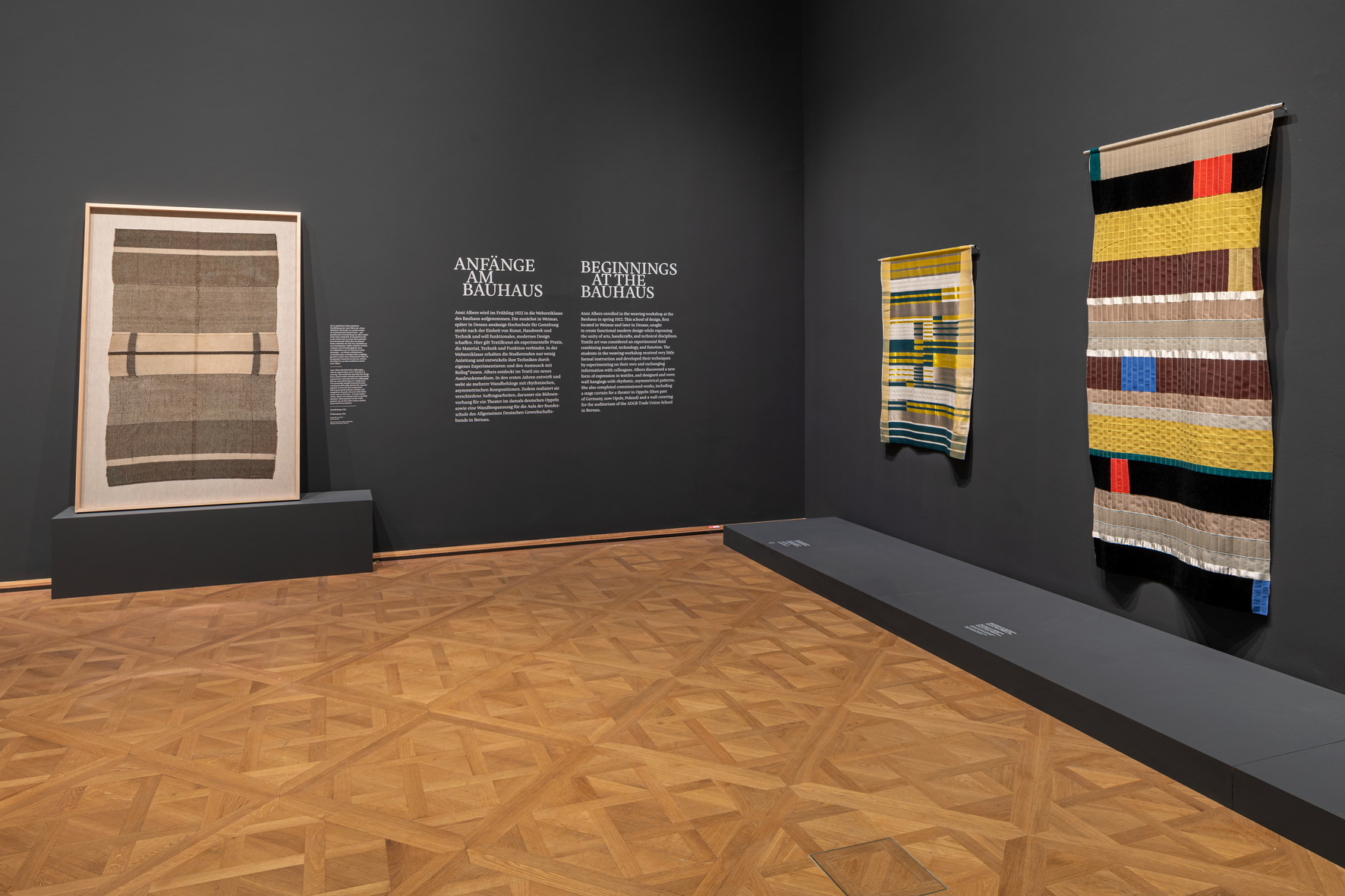
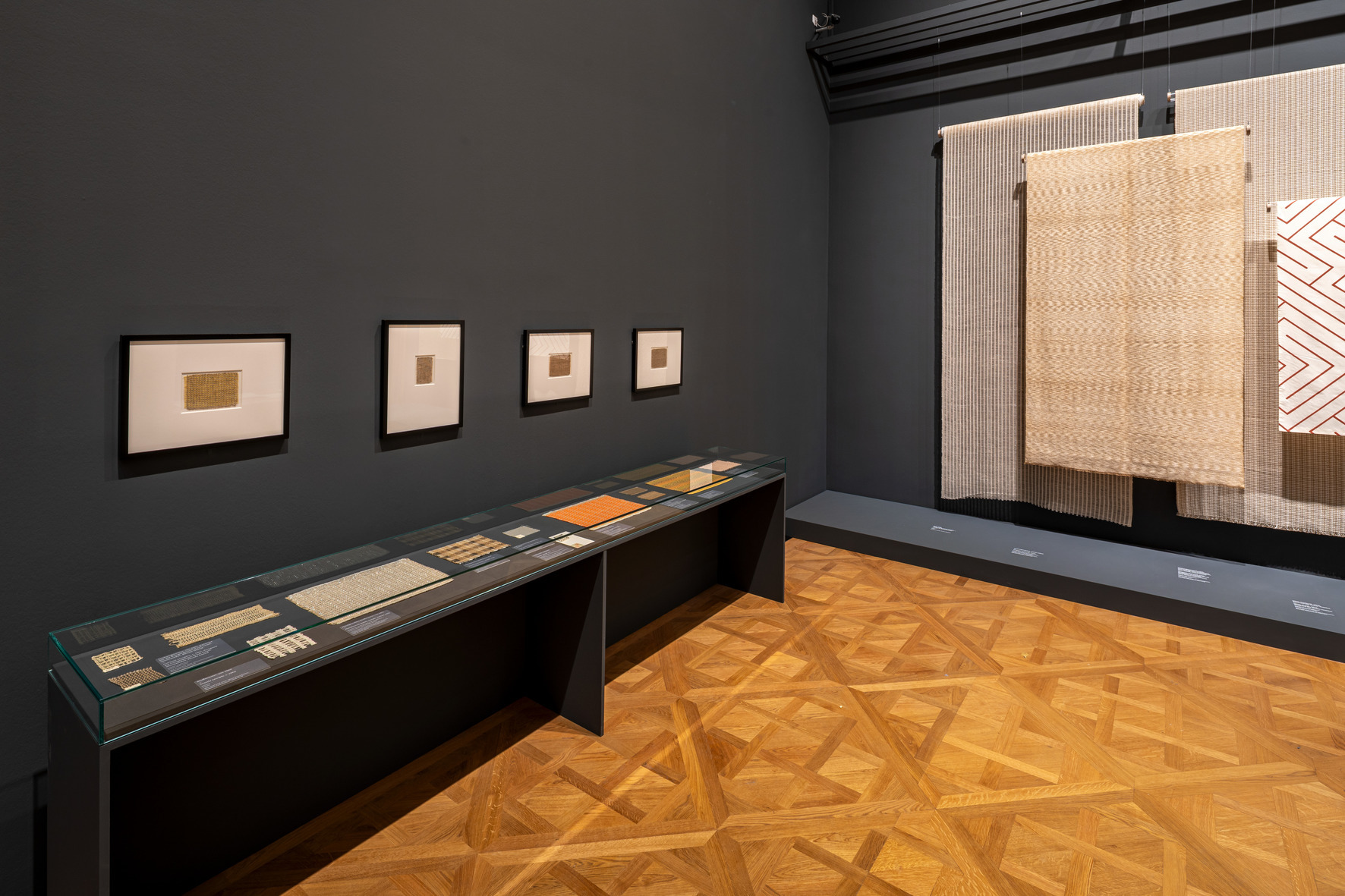
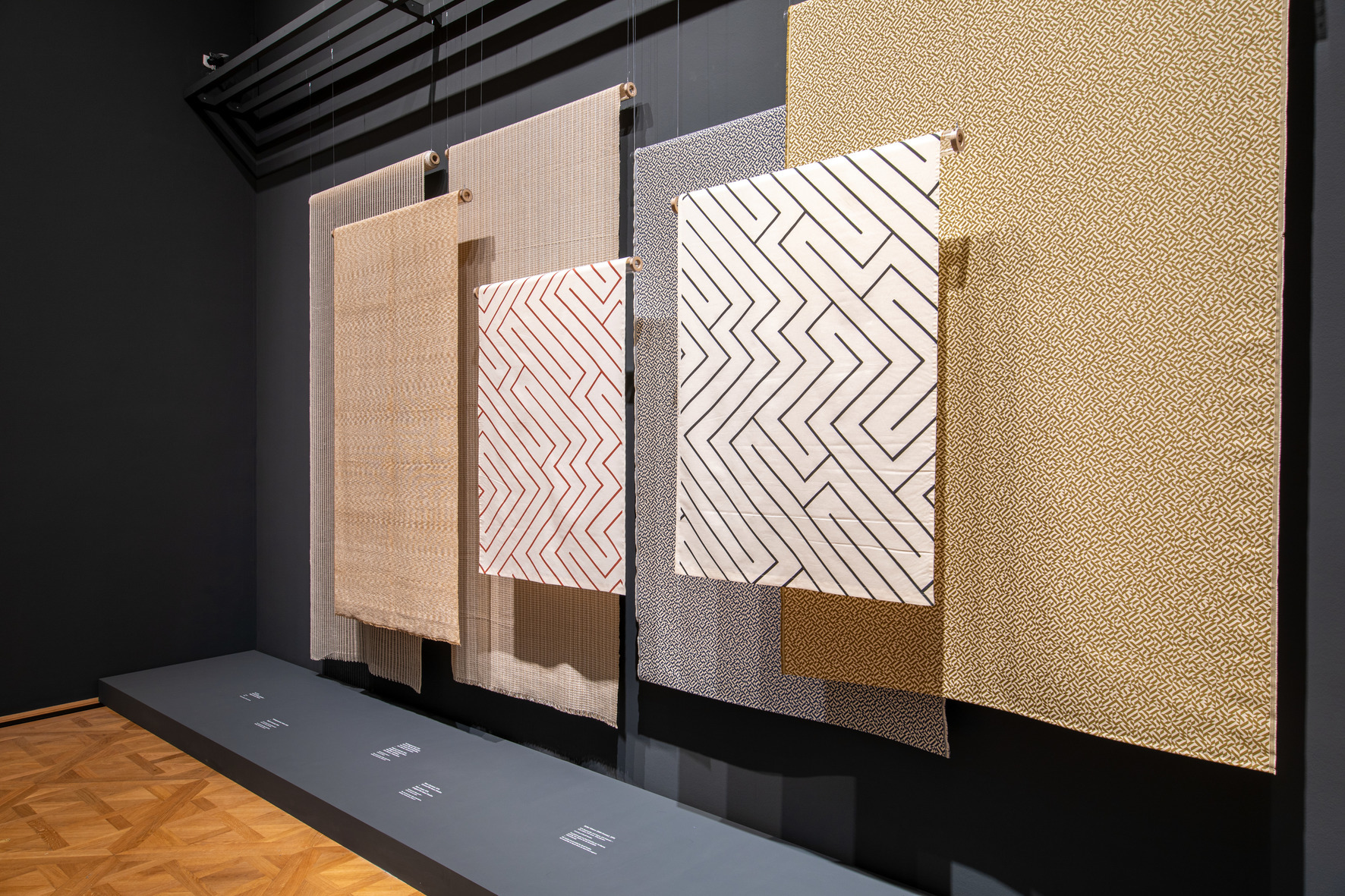
Featuring many works from all creative periods—starting with her early days at the innovative Bauhaus in Weimar, Dessau, and Berlin, followed by her time at the legendary Black Mountain College, and through to the 1980s—the exhibition presents Albers’s multifaceted career that straddled textiles and architecture, weaving and construction, past and present. It includes material studies, textile patterns and designs, pictorial weavings, large-scale room dividers, rugs, curtain fabrics, and theoretical writings.
Biography

Anni Albers (1899–1994) was one of the most influential twentieth-century textile artists and designers. Born in Berlin in 1899, her determination to pursue a career in art led her to the Bauhaus in Weimar in 1922, where her early training in the weaving workshop informed her craft, her art, and her outlook on life. After receiving her Bauhaus diploma in 1930 for her “experimental use of new materials and her mastery of structural possibilities in textiles” she became acting director of the workshop from 1931 to 1932. For Anni Albers, to create work that endured was to pay close attention to the material at hand, and to let the thread lead the way.
Together with her husband, Bauhaus artist and teacher Josef Albers, and following the school's forced closure in 1933, she emigrated to the United States. There her work became celebrated in important exhibitions, including the first one-person exhibition of a textile artist at the Museum of Modern Art, New York in 1949. At Black Mountain College, a progressive college in North Carolina, Anni Albers developed an innovative teaching curriculum that linked traditional hand-weaving techniques to modern art and industrial design.
Albers’s belief in the relationship between textiles and architecture was grounded in her understanding that textiles could simultaneously be functional objects and autonomous works of art. Her conviction that materials played a key role in both textile art and design led her to experiment with a wide range of uncommon fibers to create bold and subtle woven designs and fabrics. Her influential book On Weaving, published in 1965, remains a fundamental text on the topic. Anni Albers was a defining influence on textile design and promoted its recognition as a well-recognized art form. Her work continues to influence artists, designers, and architects across the world to this day.
Audiotour
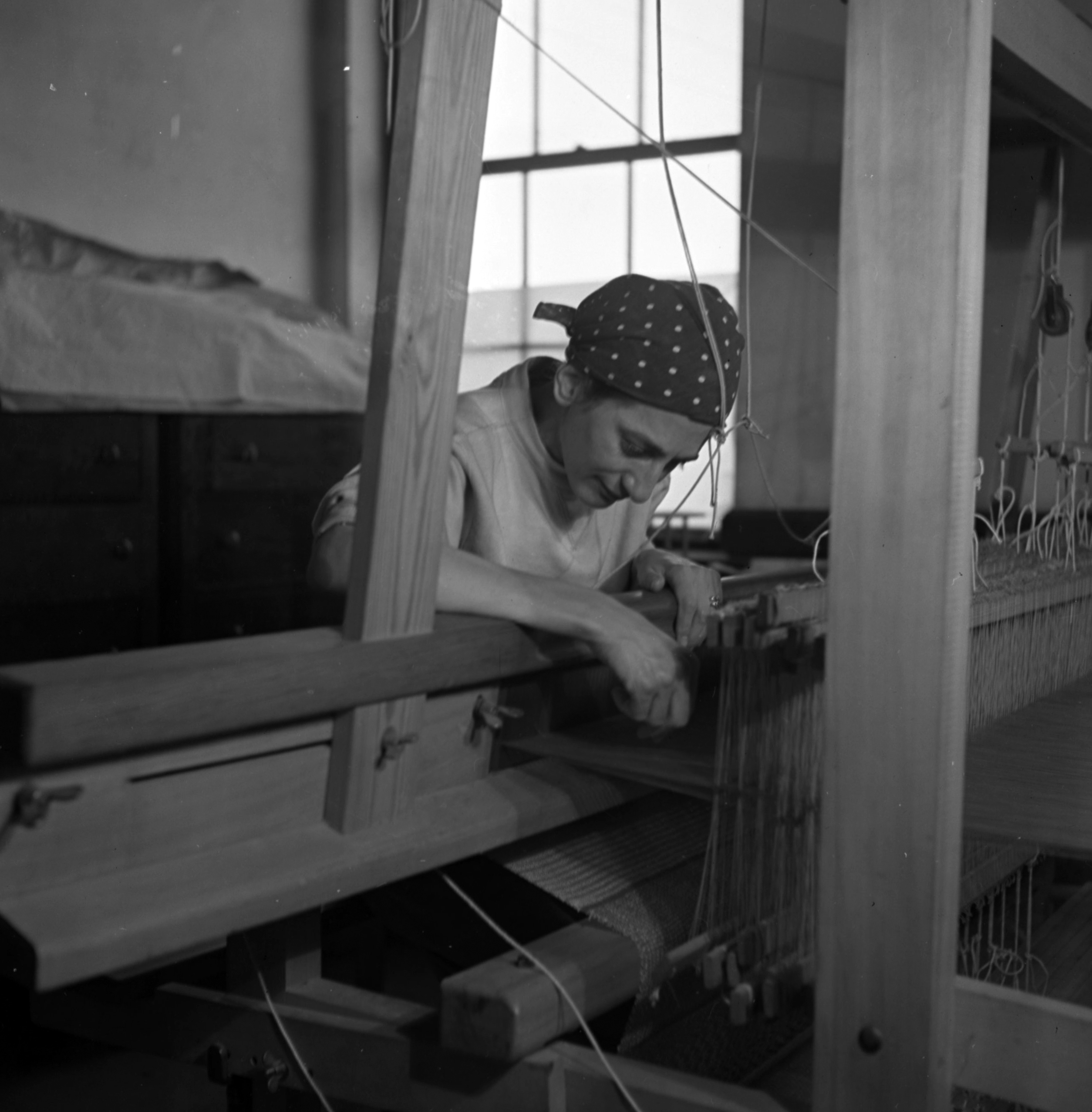
This multi-perspective audio tour of the exhibition presents various approaches to the work of Anni Albers, which ranges from functional textiles to pictorial weavings. It focuses on Albers’s innovative approach to material, form, and function. Featuring insightful contributions from Brenda Danilowitz, Fabienne Eggelhöfer, Katharina Jebsen-Plättner and Doris Robles.
Available in: 🇦🇹 🇬🇧
until 16 August 2026
Lower Belvedere
13 audio stops, 13 min.
Videos
Catalogue
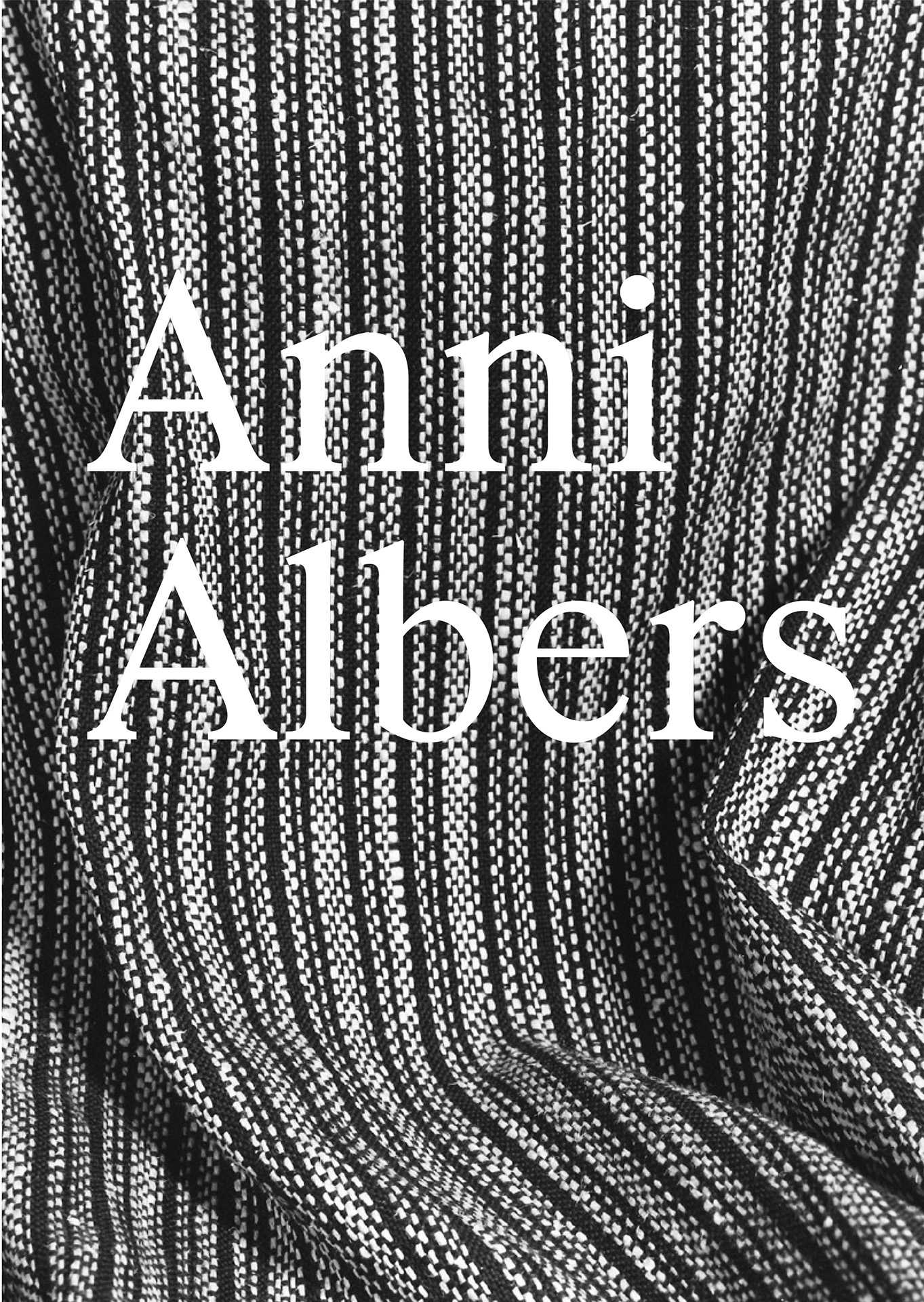
Editors: Brenda Danilowitz, Fabienne Eggelhöfer, Stella Rollig, Nina Zimmer
Authors: Glenn Adamson, Anni Albers, Brenda Danilowitz, Fabienne Eggelhöfer, Karis Medina, Amy Jean Porter, Stella Rollig, Jeffrey Saletnik, Nicholas Fox Weber, Nina Zimmer
Graphic design: Tino Grass
Publishing year: 2026
Publisher: Hatje Cantz
Number of pages: 248 pages, 185 images
Format: 17 × 24 cm, Softcover
ISBN: 978-3-7757-6036-2 (DE)
ISBN: 978-3-7757-6035-5 (EN)
€ 50 (incl. VAT) Available on site.