


-
Finding Form.
Baroque Sketches and Models
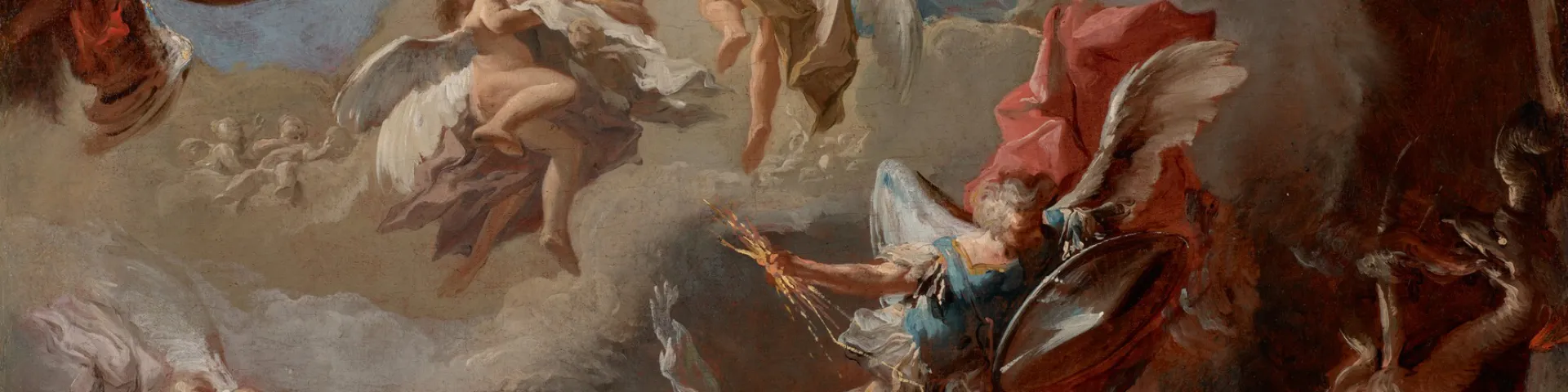
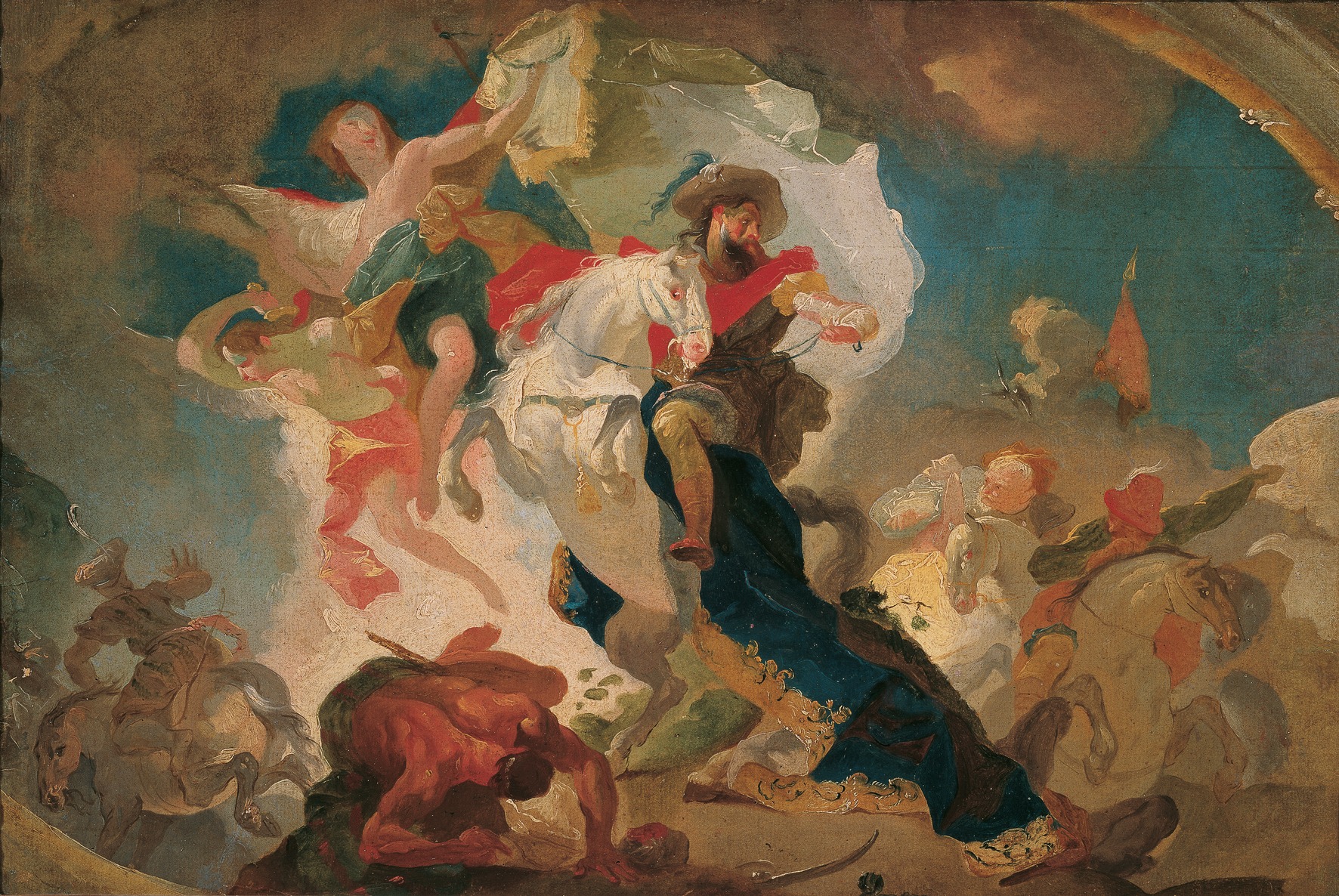
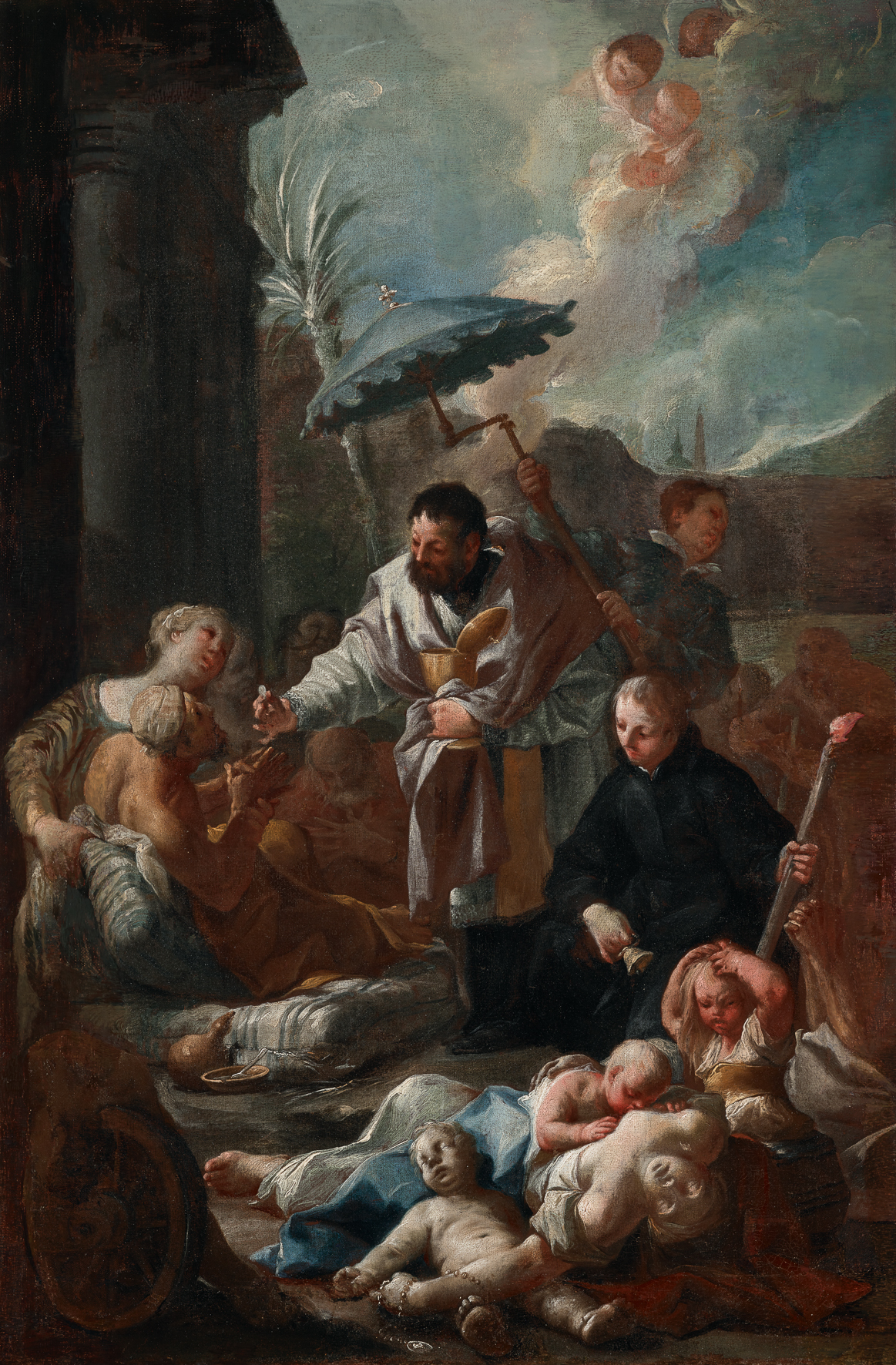
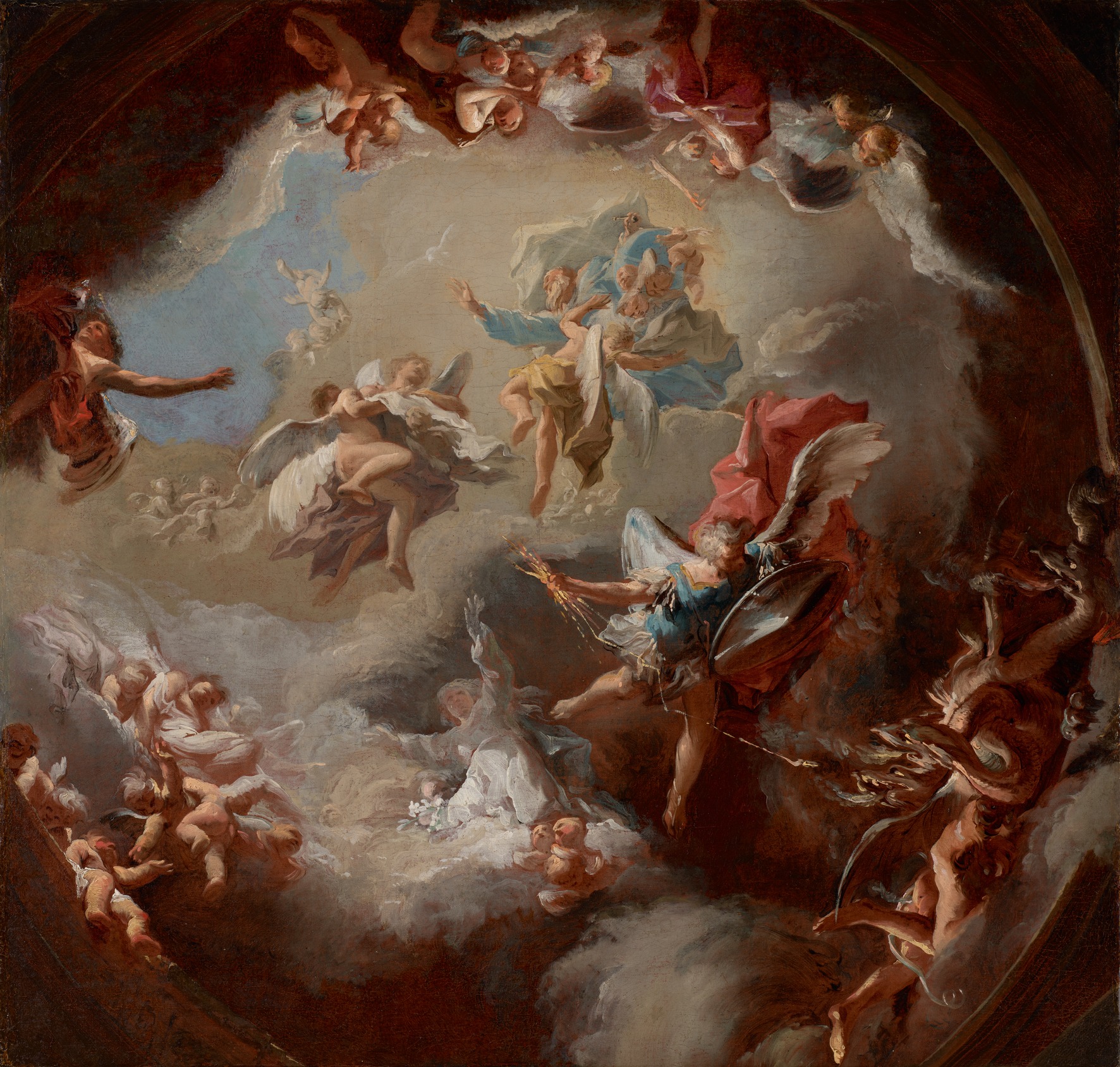
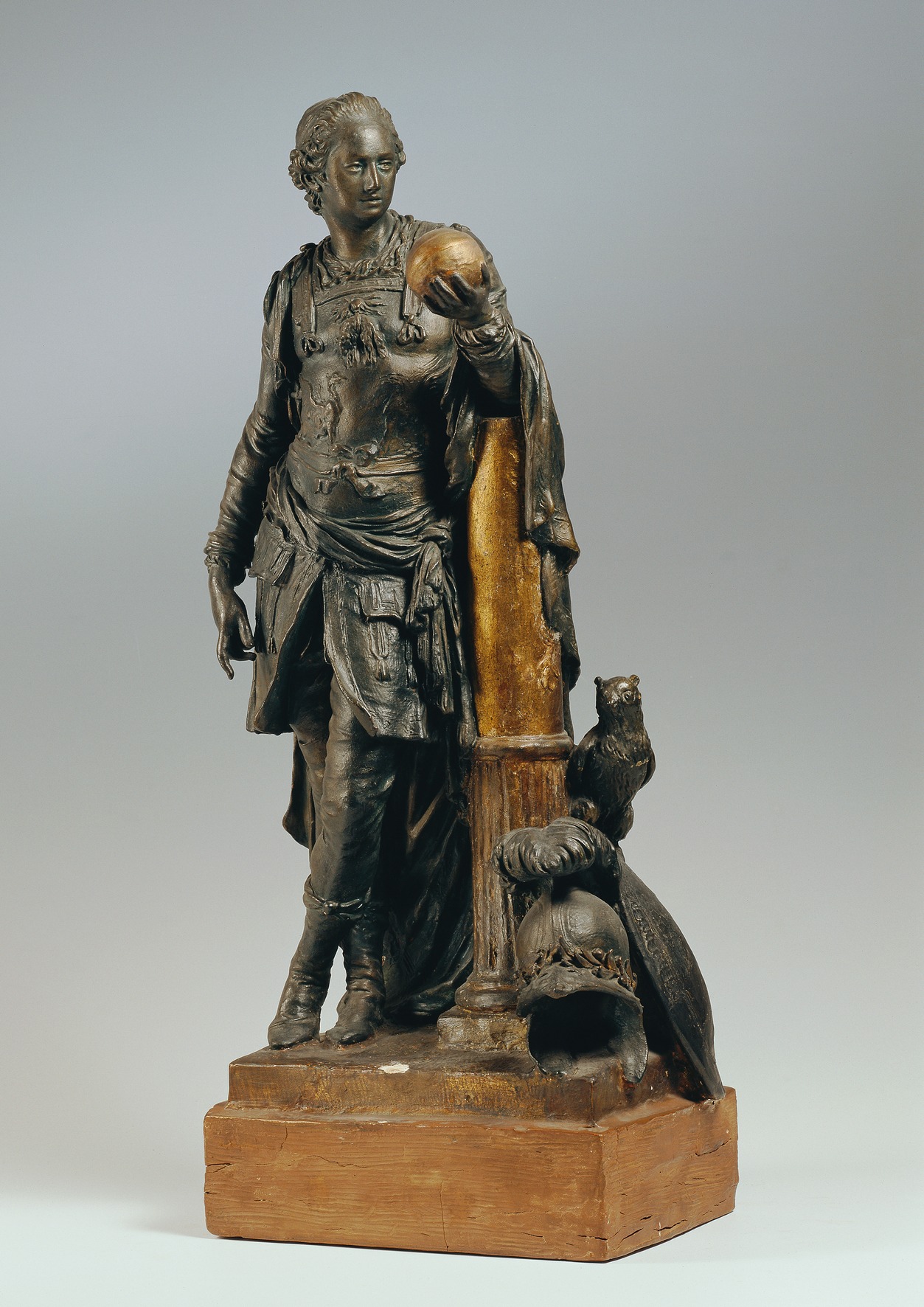
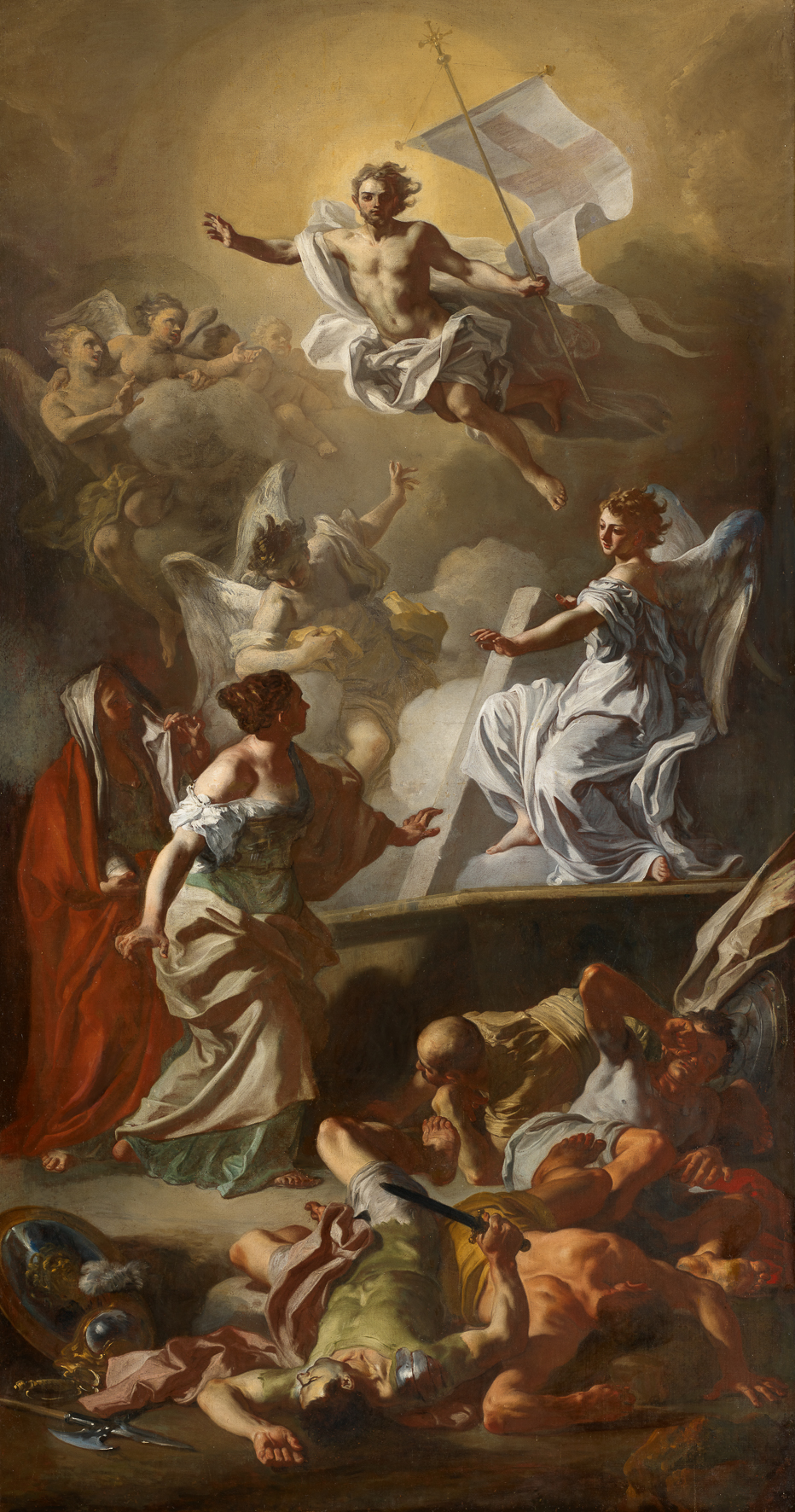
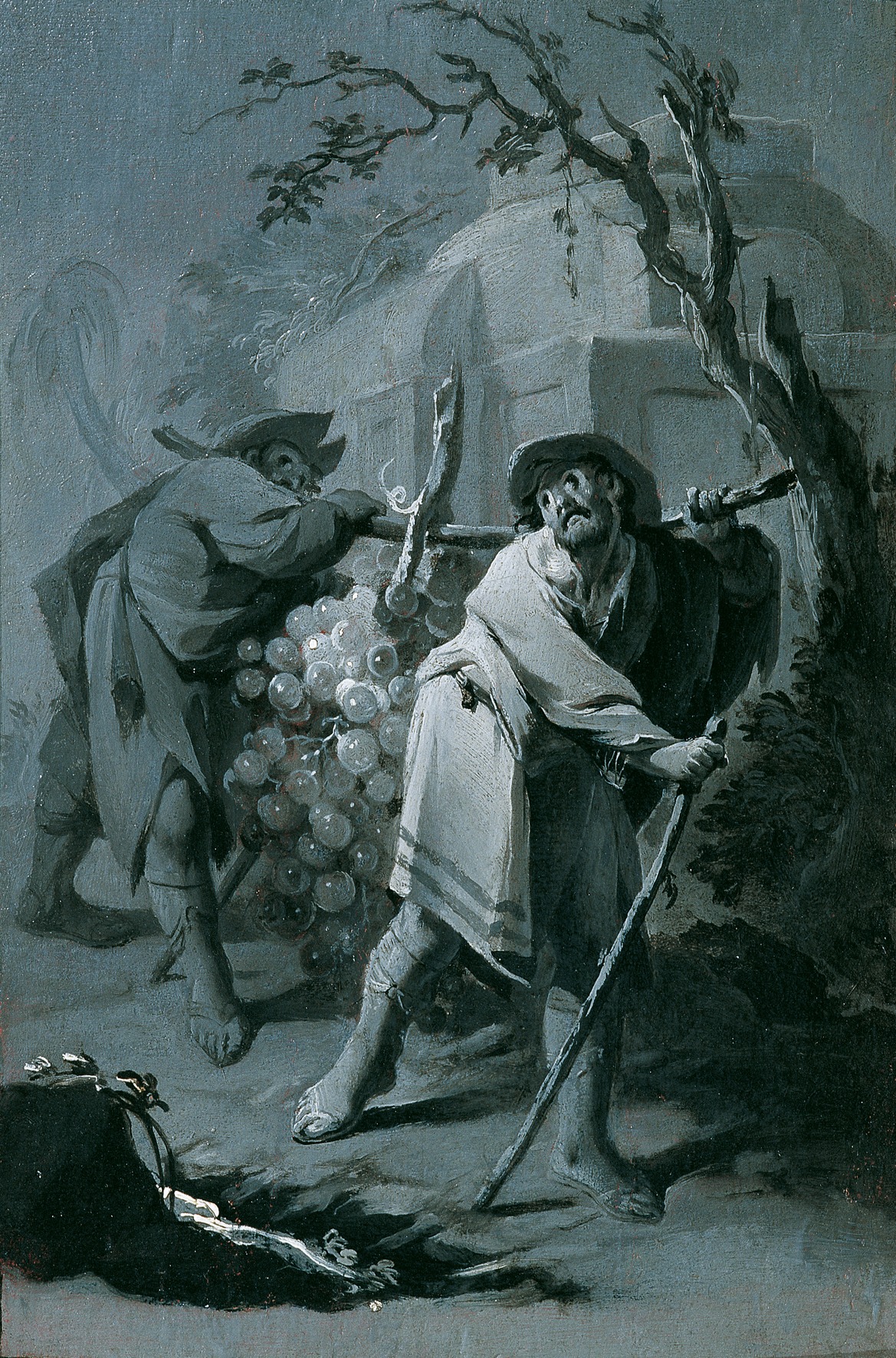
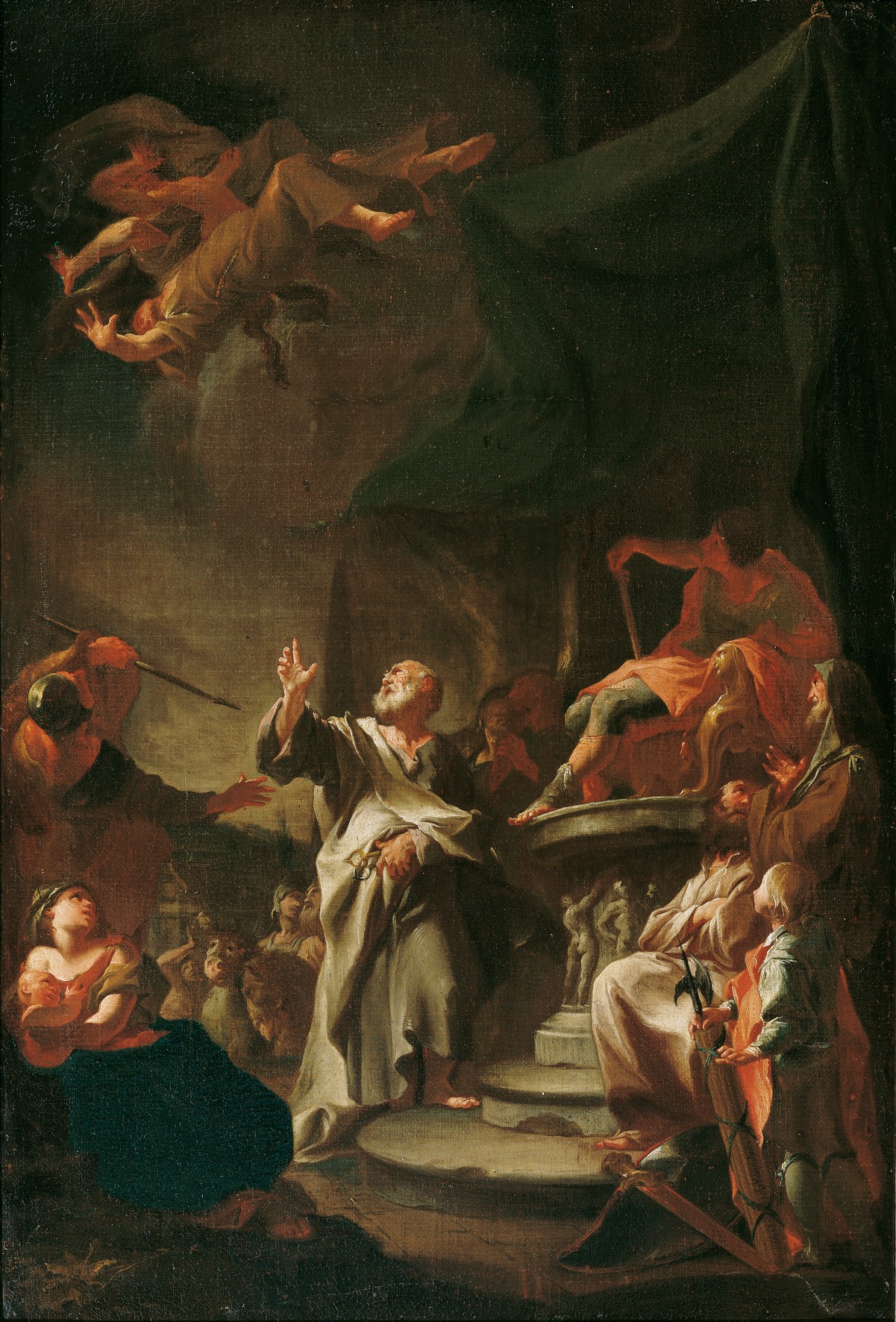
Sketches have always held a special fascination because they offer a firsthand glimpse into the creative process: drafting and discarding ideas, reworking and refining them, and searching for and finding form. During the Baroque period, this art form reached new heights. These small-scale preliminary works served as studies for large-scale frescoes and paintings and as the basis for commissions. Sketches are considered particularly authentic expressions of the artist's own hand, whereas the final works were often executed in collaboration with assistants.
Curated by Georg Lechner
Assistant Curator: Kati Renner
Impressions
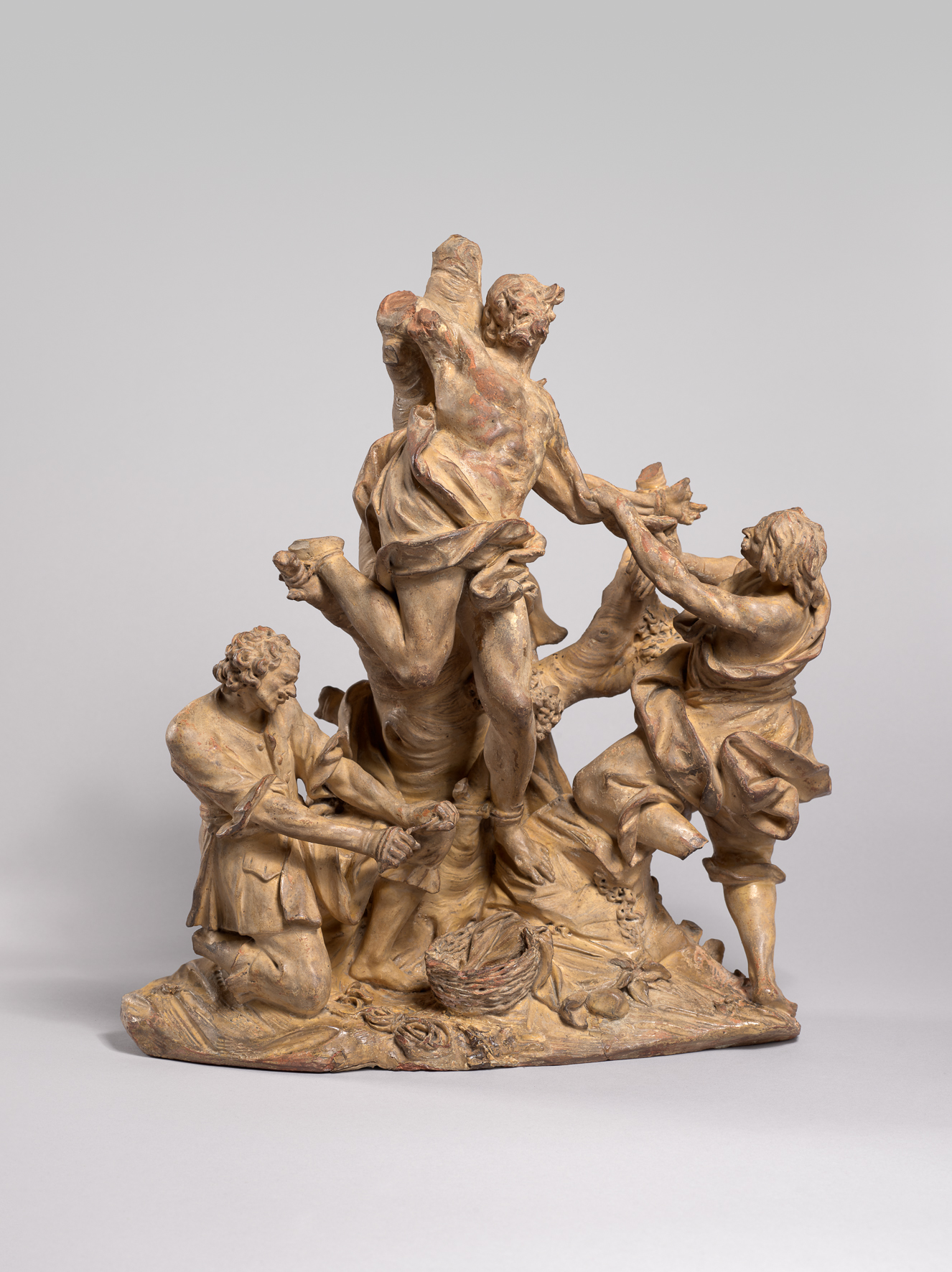
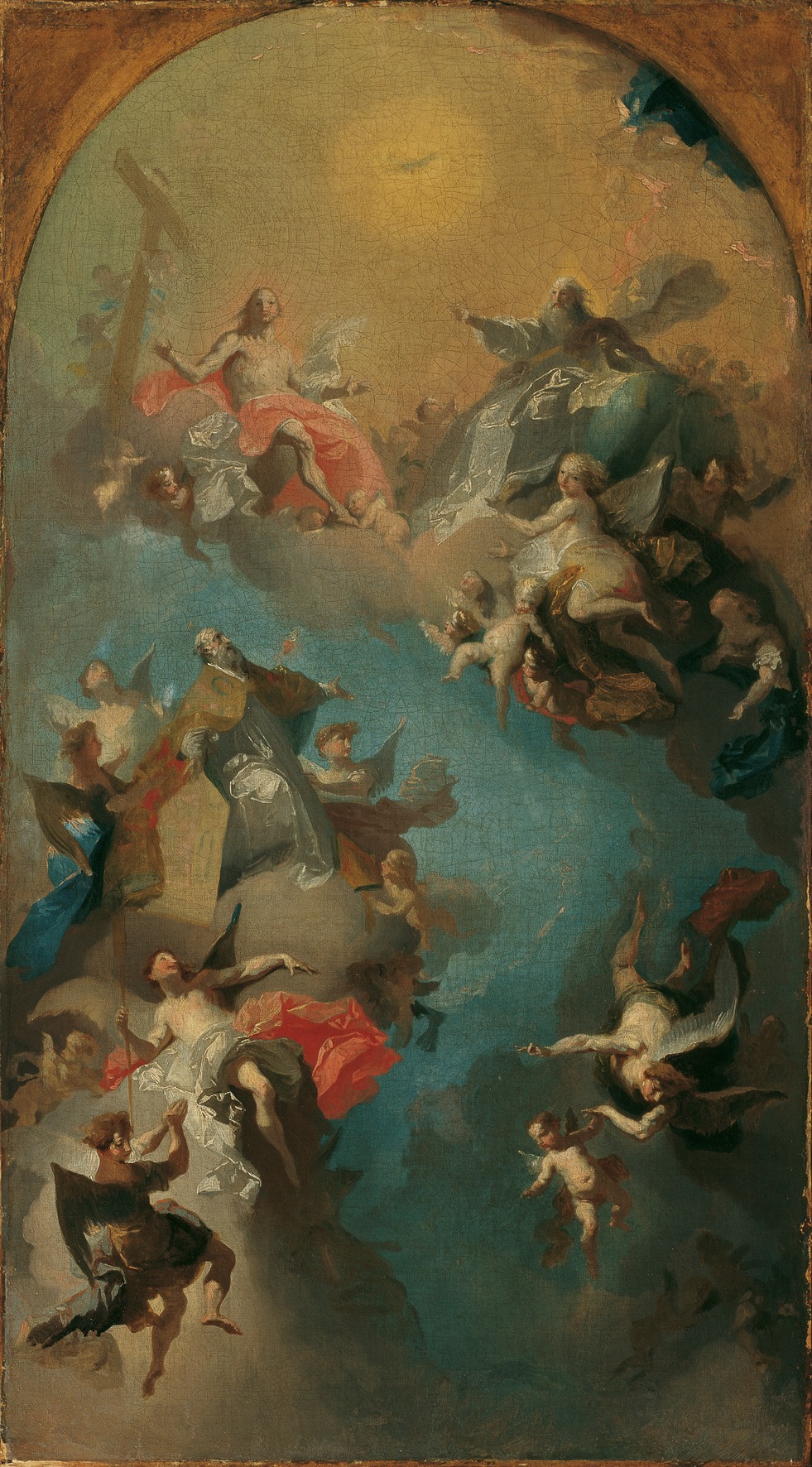
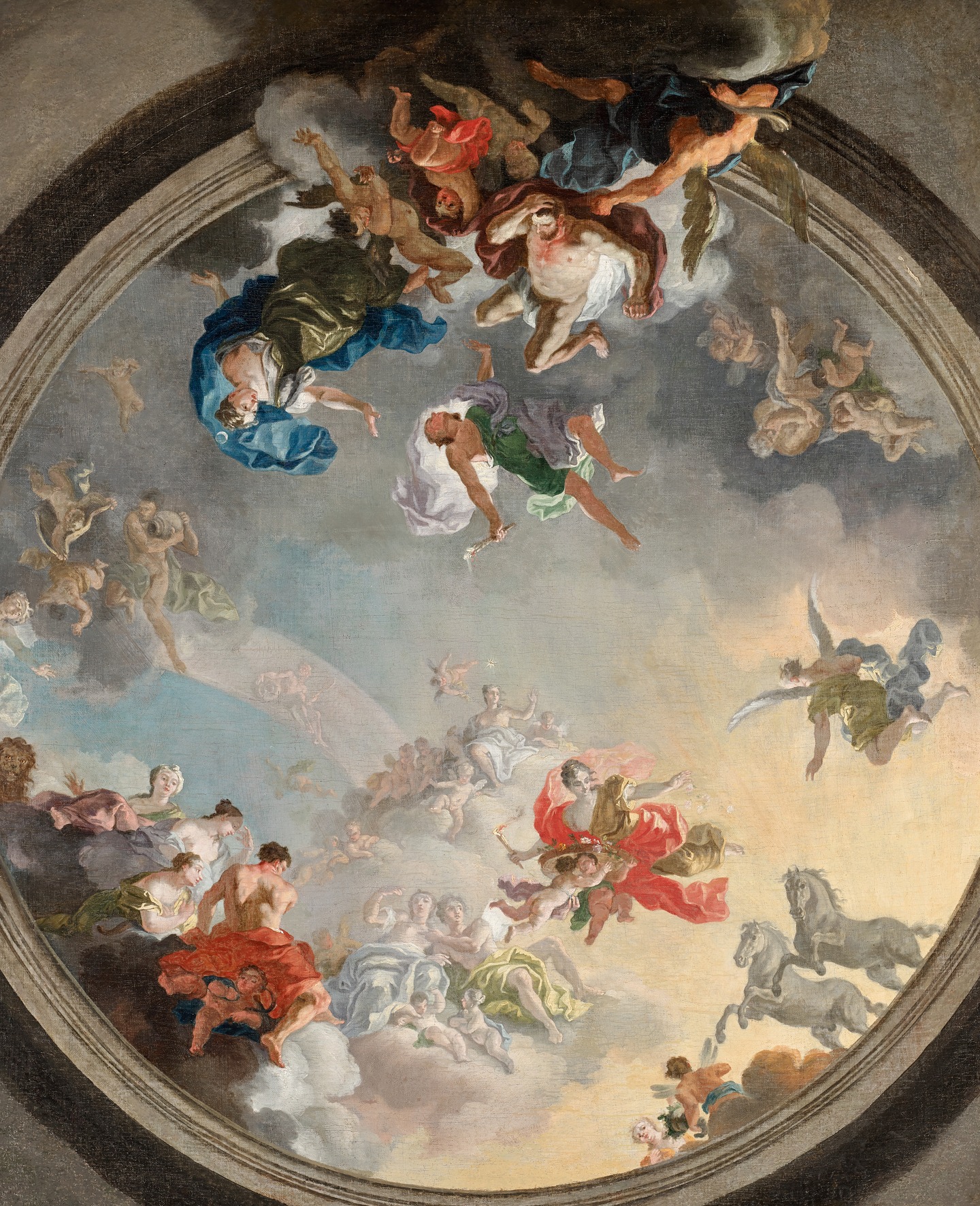
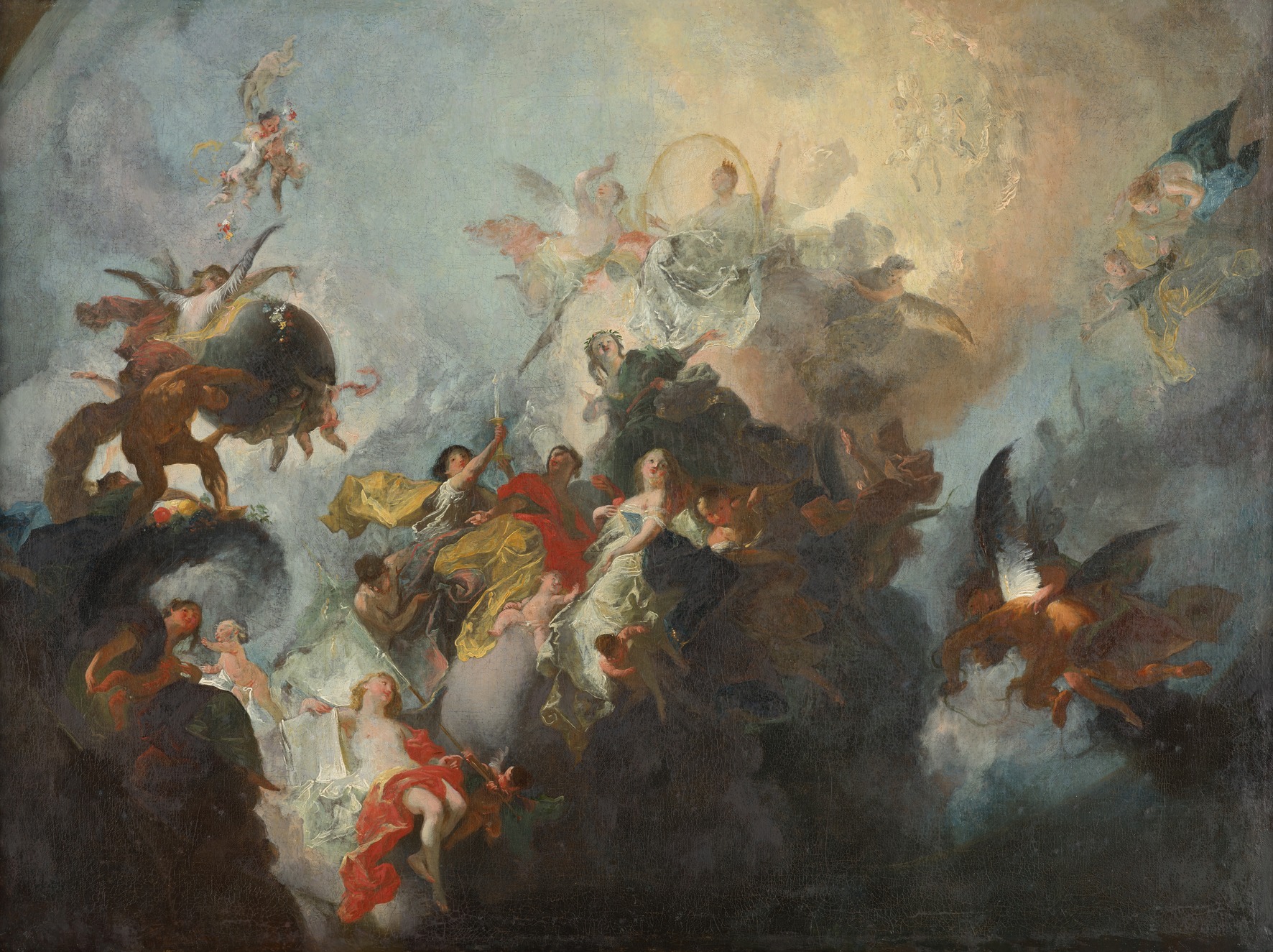
The Exhibition
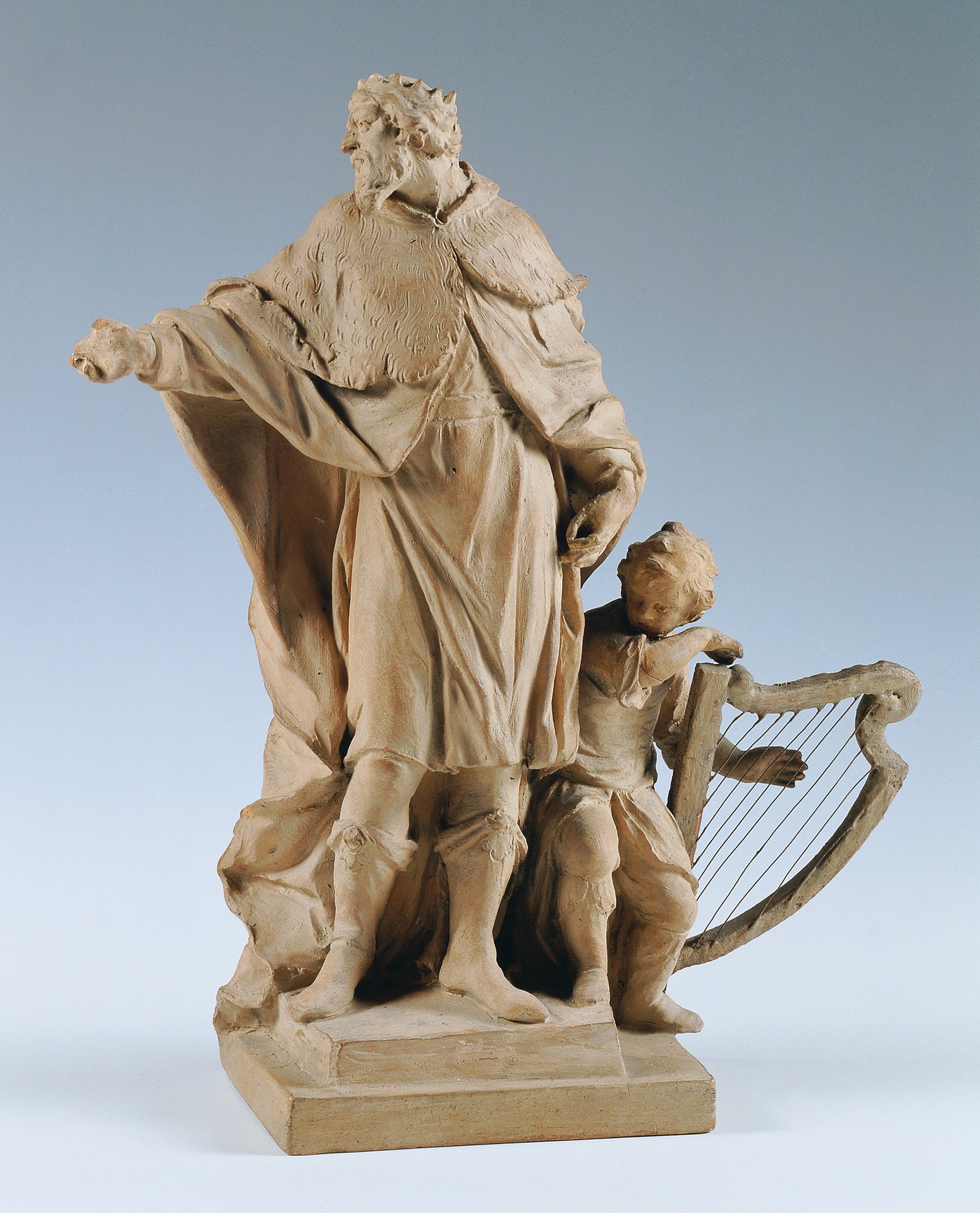
By the eighteenth century, Baroque sketches had already become highly sought after by private collectors across Europe. Museums subsequently developed a keen interest in this art form as well. When the Baroque Museum opened at the Lower Belvedere in 1923, for example, particular attention was paid to building a representative collection of Baroque sketches. Thanks to a targeted acquisition policy, especially during the interwar period, the Belvedere now holds an extensive collection of these works. The particular appreciation of Baroque oil sketches and clay bozzetti in the twentieth century can certainly be attributed to their often free, spontaneous handling, which conveys a sense of immediacy and sets them apart from the sometimes considerably more polished large-scale finished works.
The diverse functions of oil sketches and models—including works by Vinzenz Fischer, Daniel Gran, Johann Baptist Hagenauer, Lorenzo Mattielli, Franz Anton Maulbertsch, and Johann Michael Rottmayr—take center stage in the exhibition. Paintings or small-scale sculptures that were initially acquired as preparatory works were later identified as works by other artists. Artists also used sketches and sculptures to document particularly successful compositions by their colleagues for their own collections of reference material. For some works, additional studies or finished versions have survived, making it possible to trace their development by examining the different stages side by side. The exhibition thus offers visitors what collectors originally sought: the opportunity to look over the artists’ shoulders.


