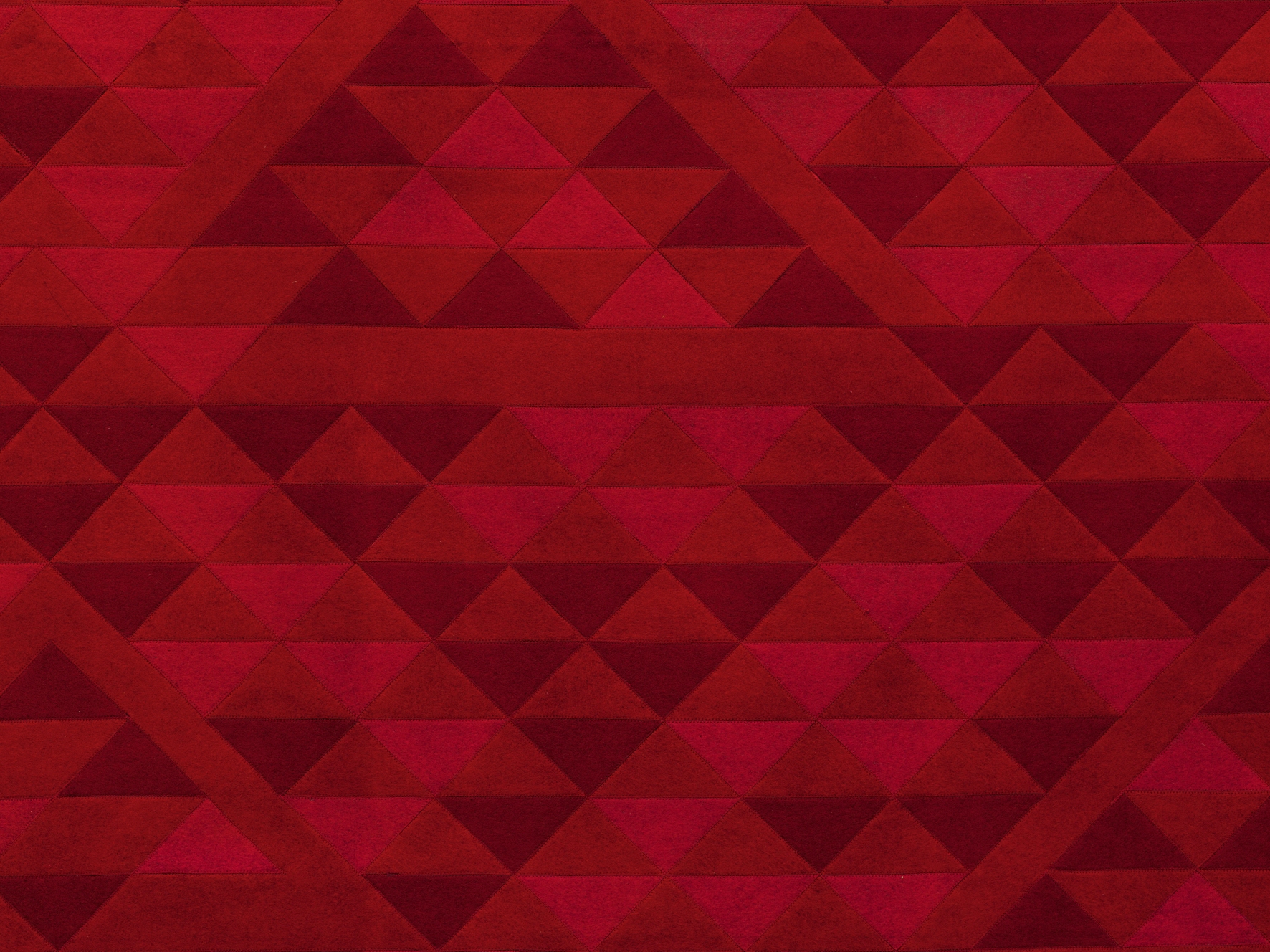
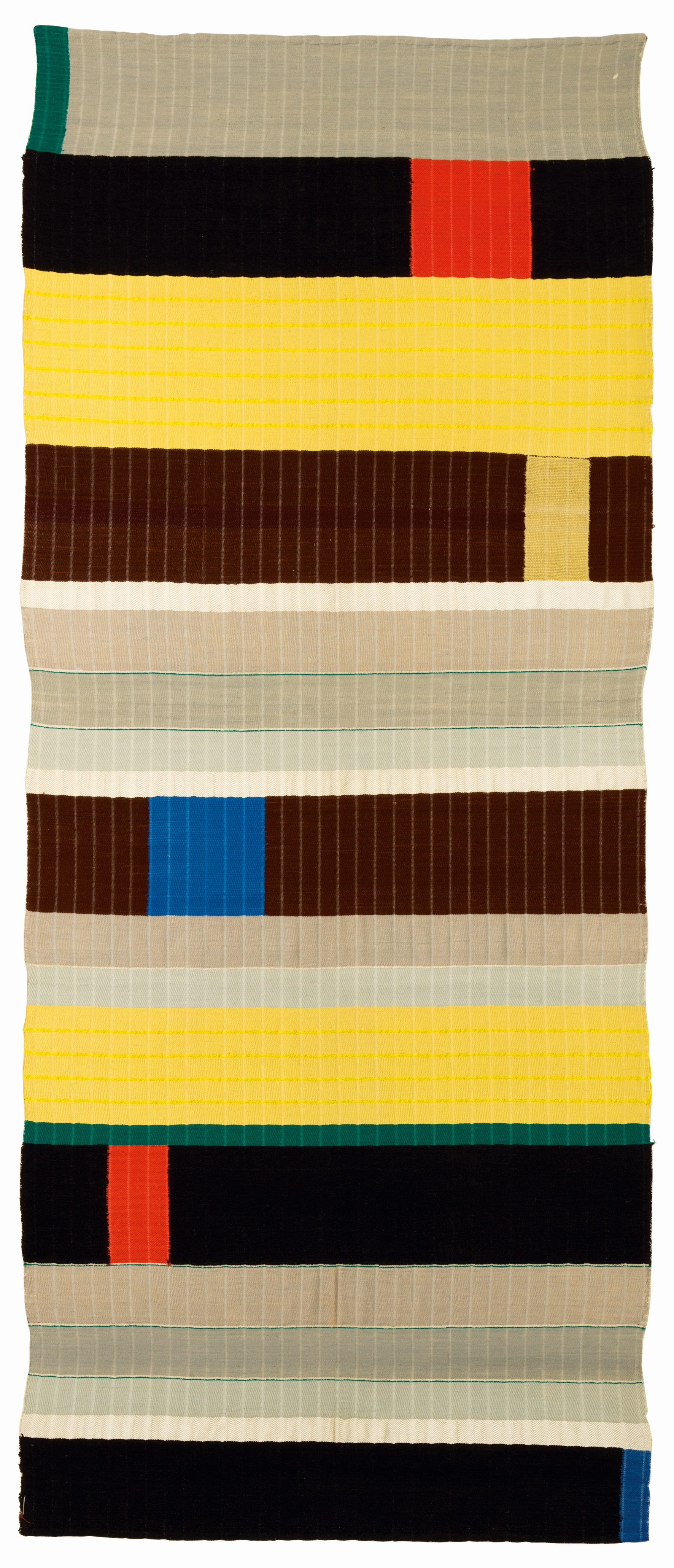
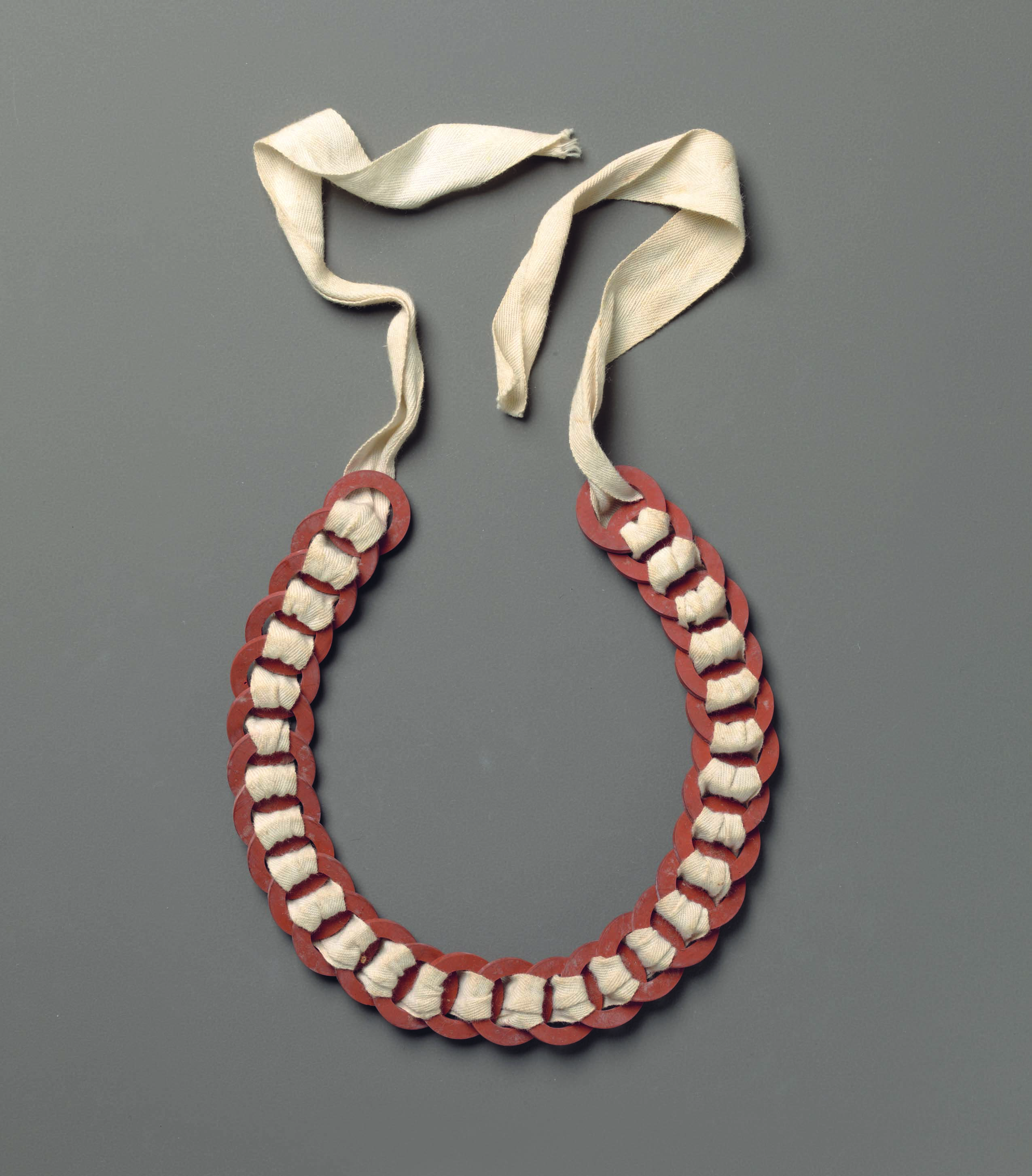
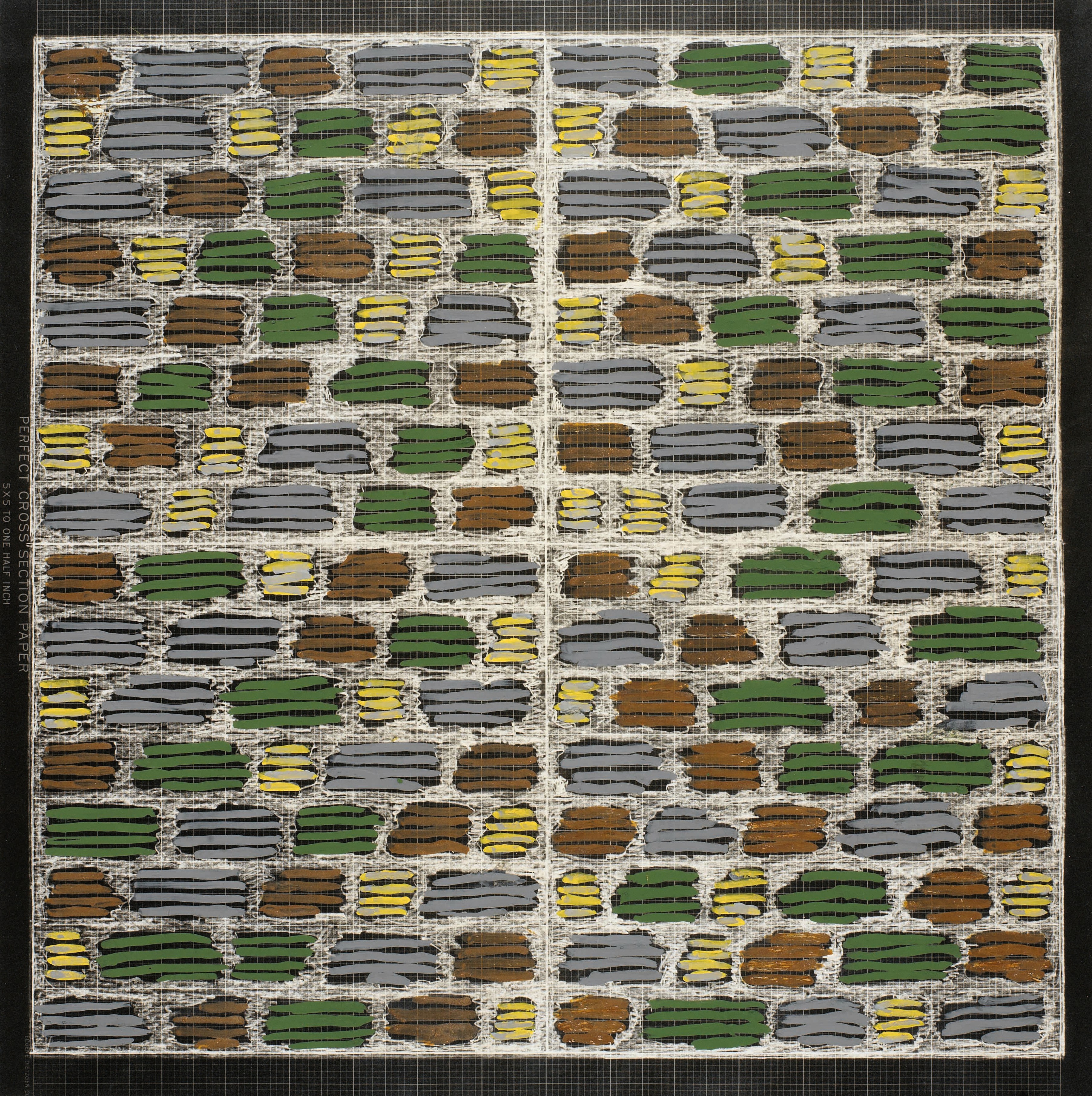
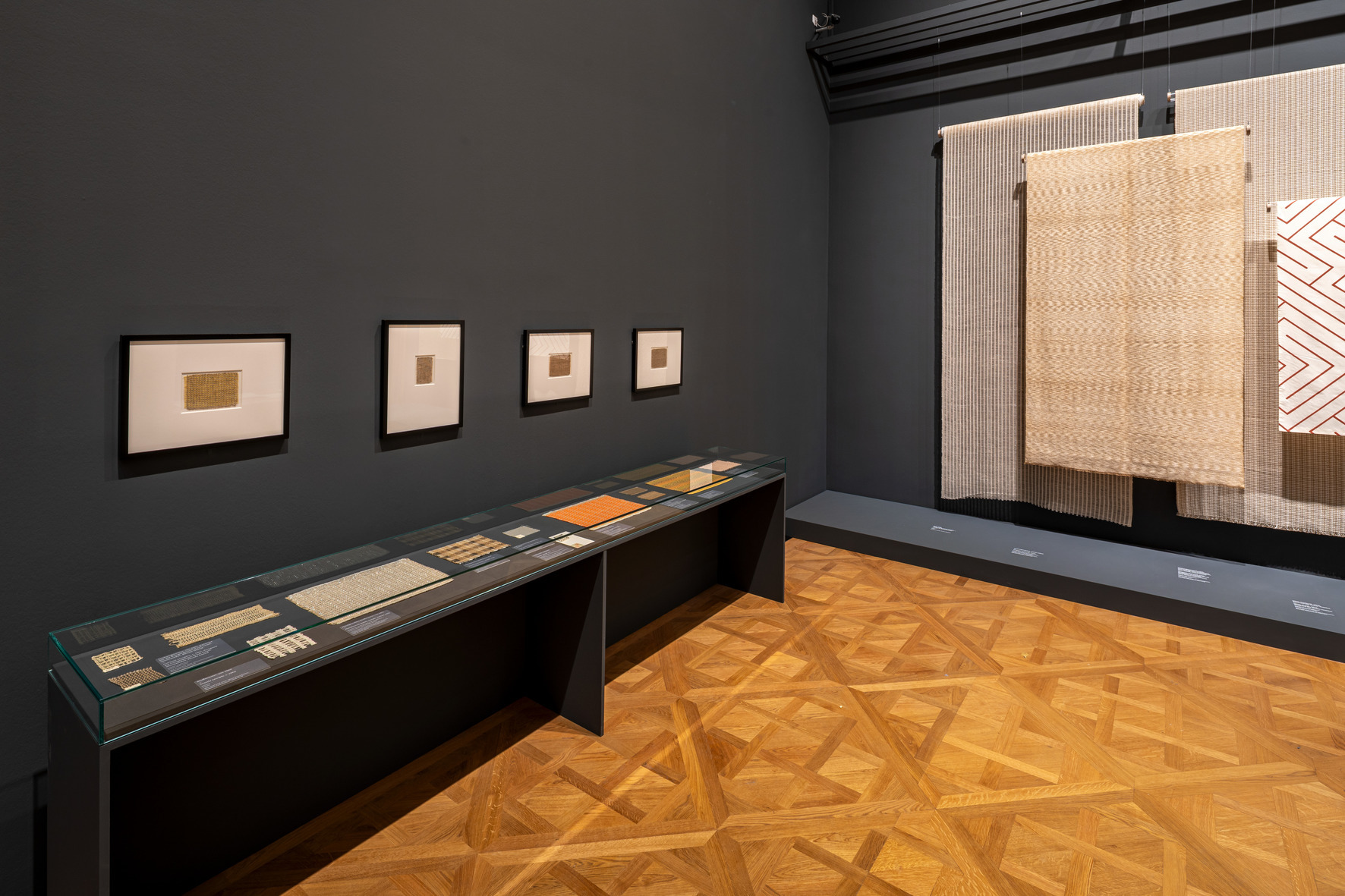
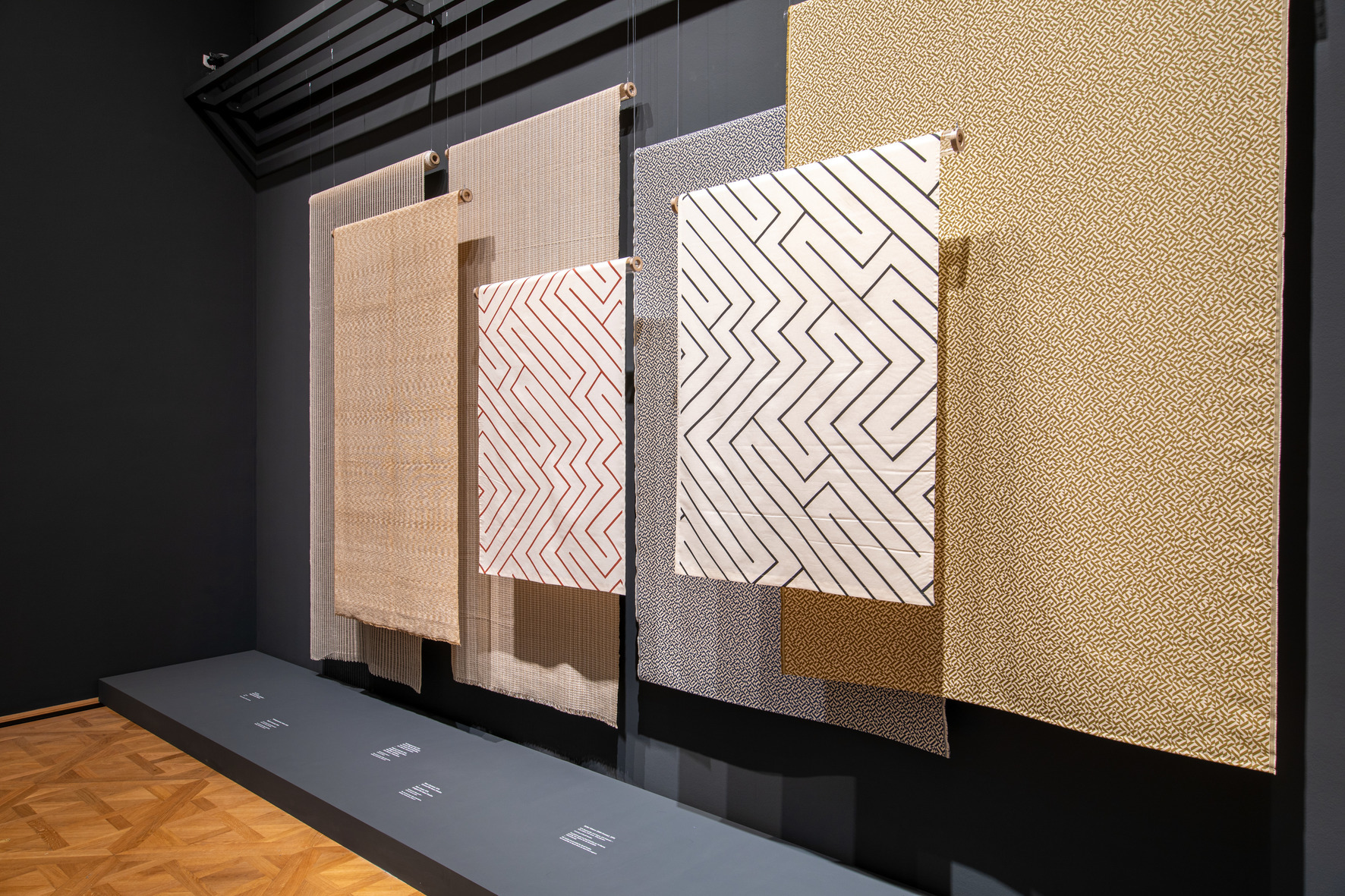
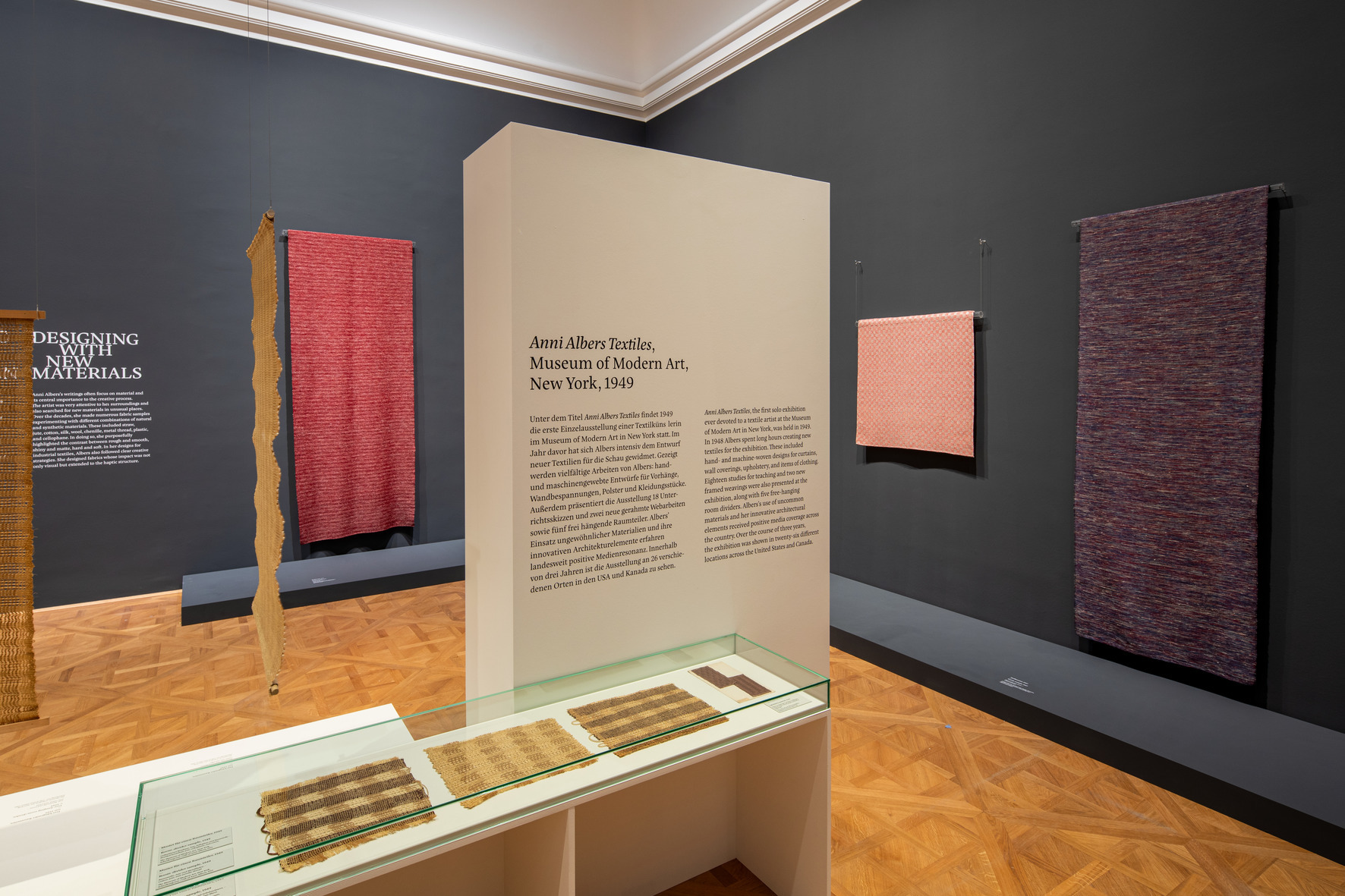
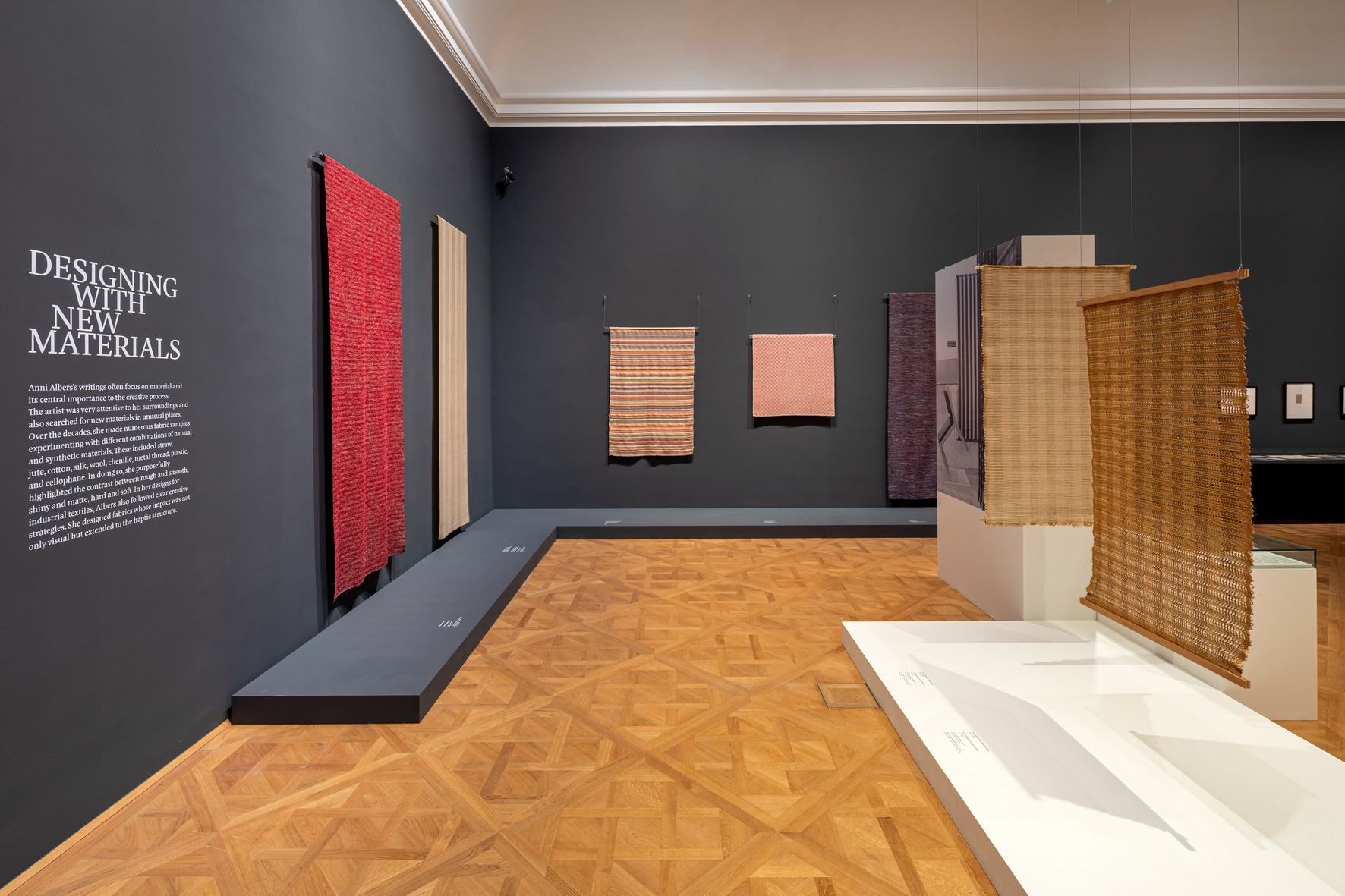
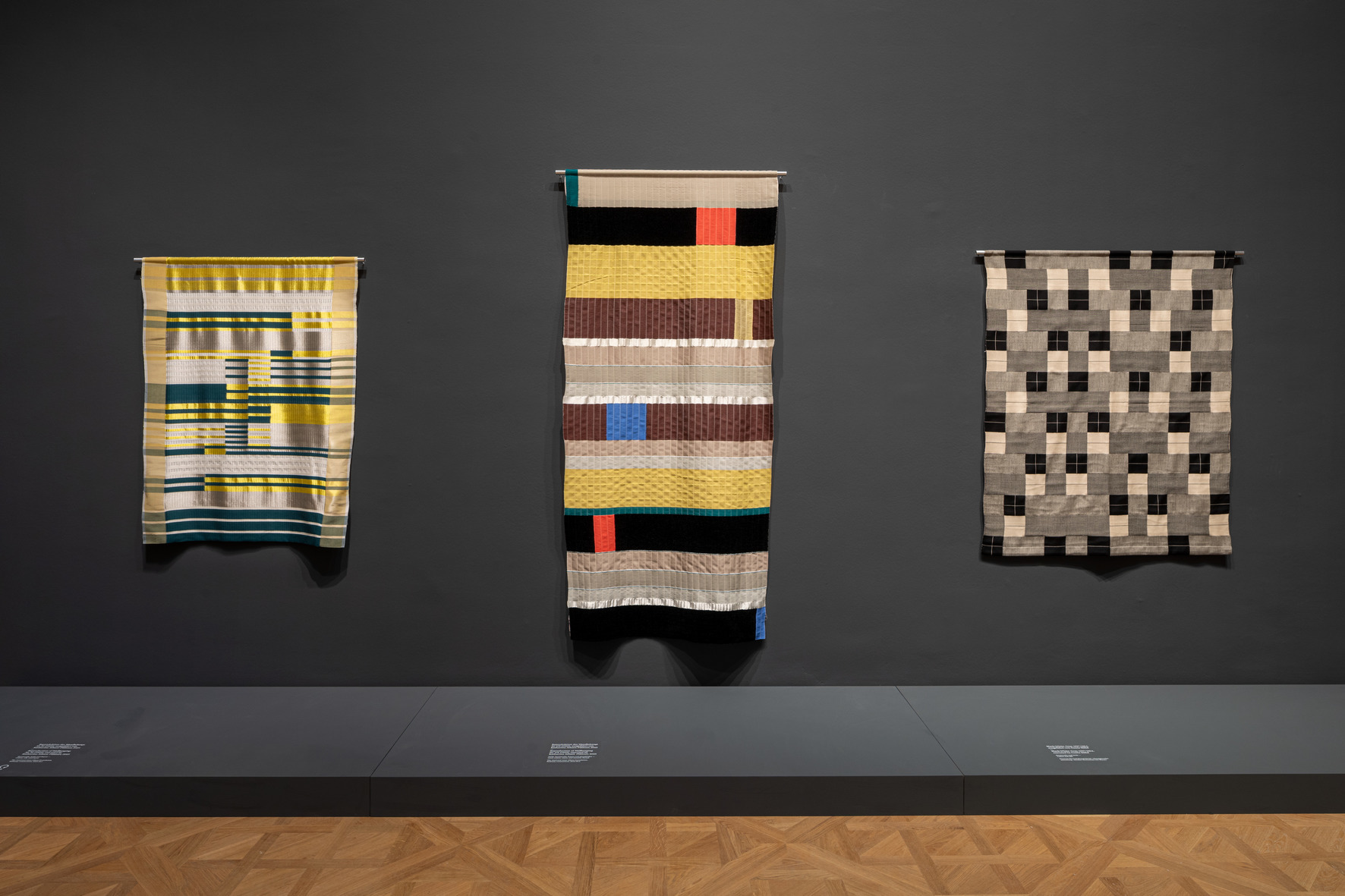
General Director Stella Rollig: Anni Albers’s work, which places textiles, architecture, and design in a lively dialog, continues to offer inspiration for a new generation of artists, architects, and designers. She was a pioneer who blurred the boundaries between free and applied art—an approach that has become established in contemporary art, not least thanks to pioneers like her.
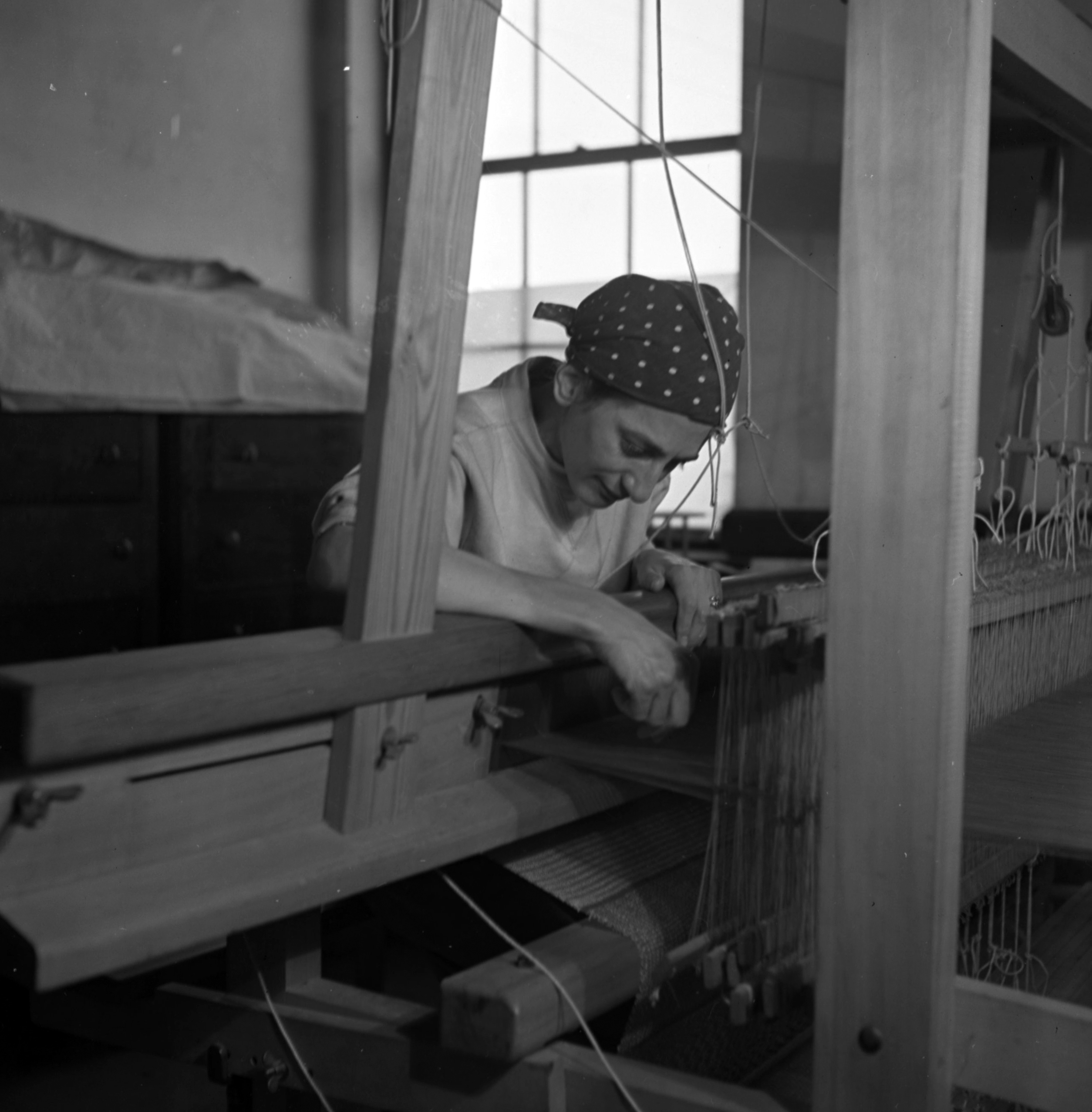
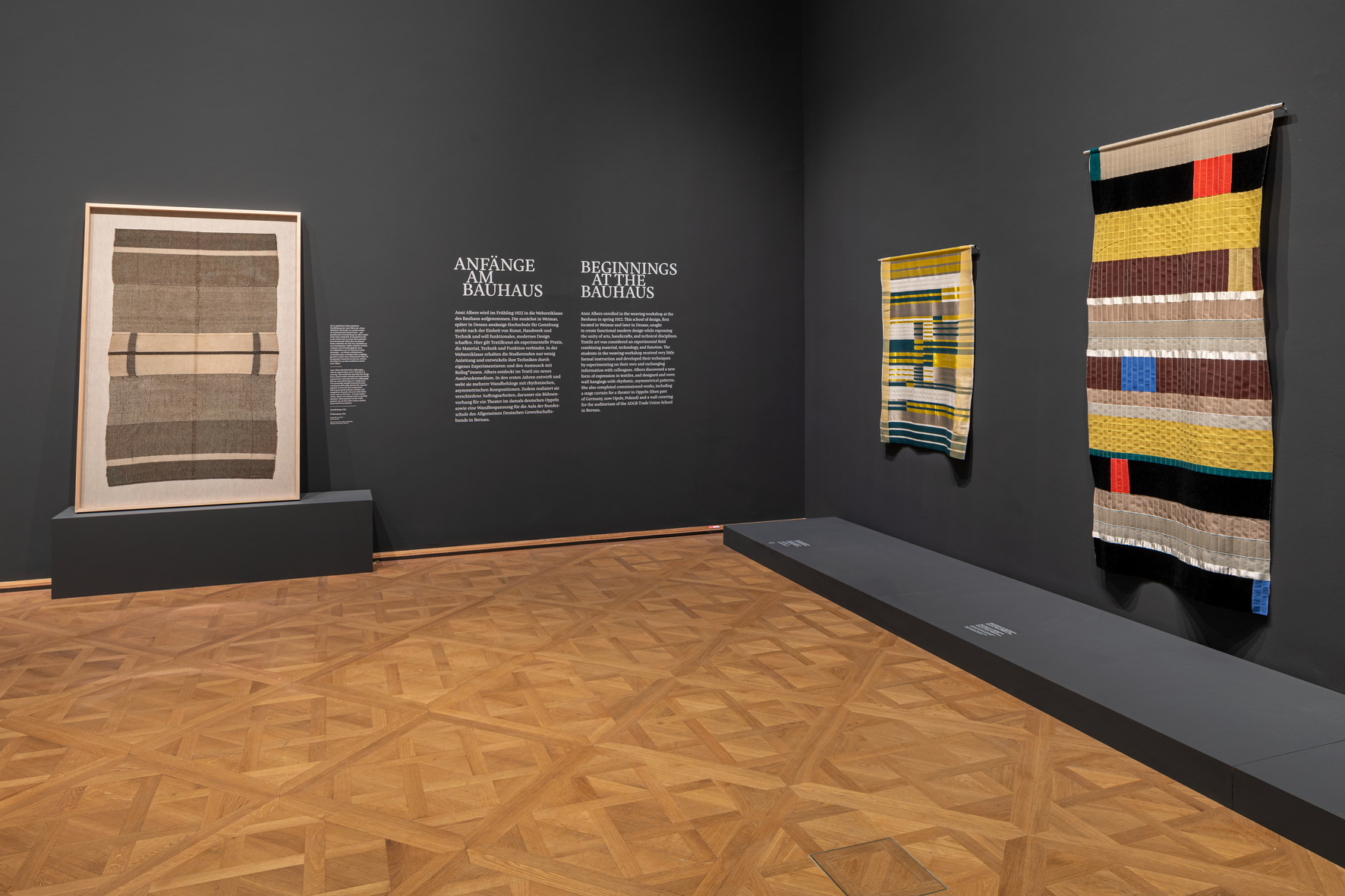
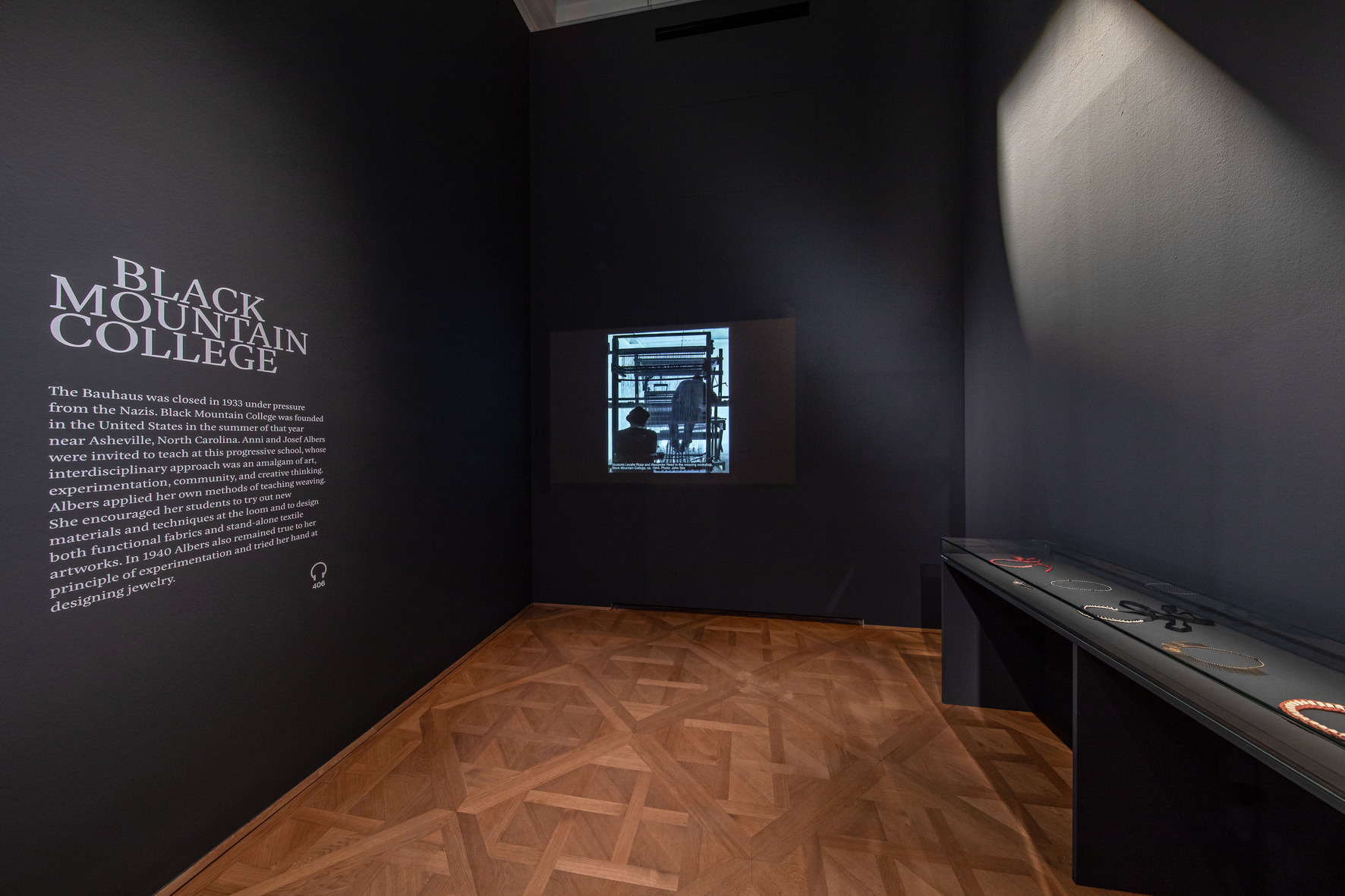
Anni Albers’s creative and experimental approach began in the 1920s at the Bauhaus in Weimar. In 1933 she emigrated to the USA and established herself there as a multifaceted designer and artist. She developed complex weaving structures and used new types of fiber. Apart from decorative weavings, works of art in their own right, she also explored new textiles for buildings and interiors, in other words functional objects. She regarded weaving as the most advanced form of modern architectural thinking. Through her profound understanding of the material and its refined processing, Albers’s work is of great contemporary relevance in the light of today’s challenges relating to energy and material resources.
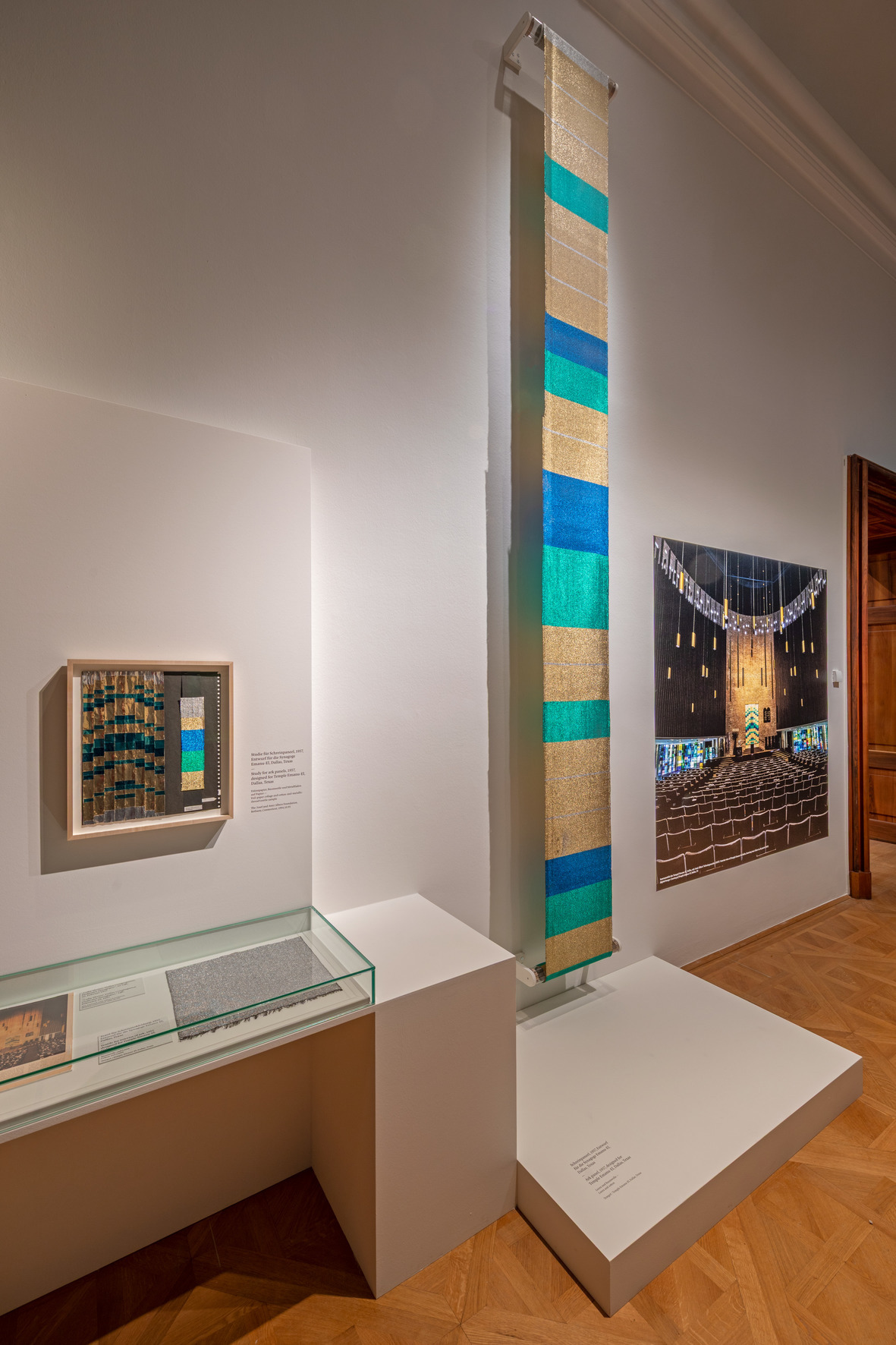
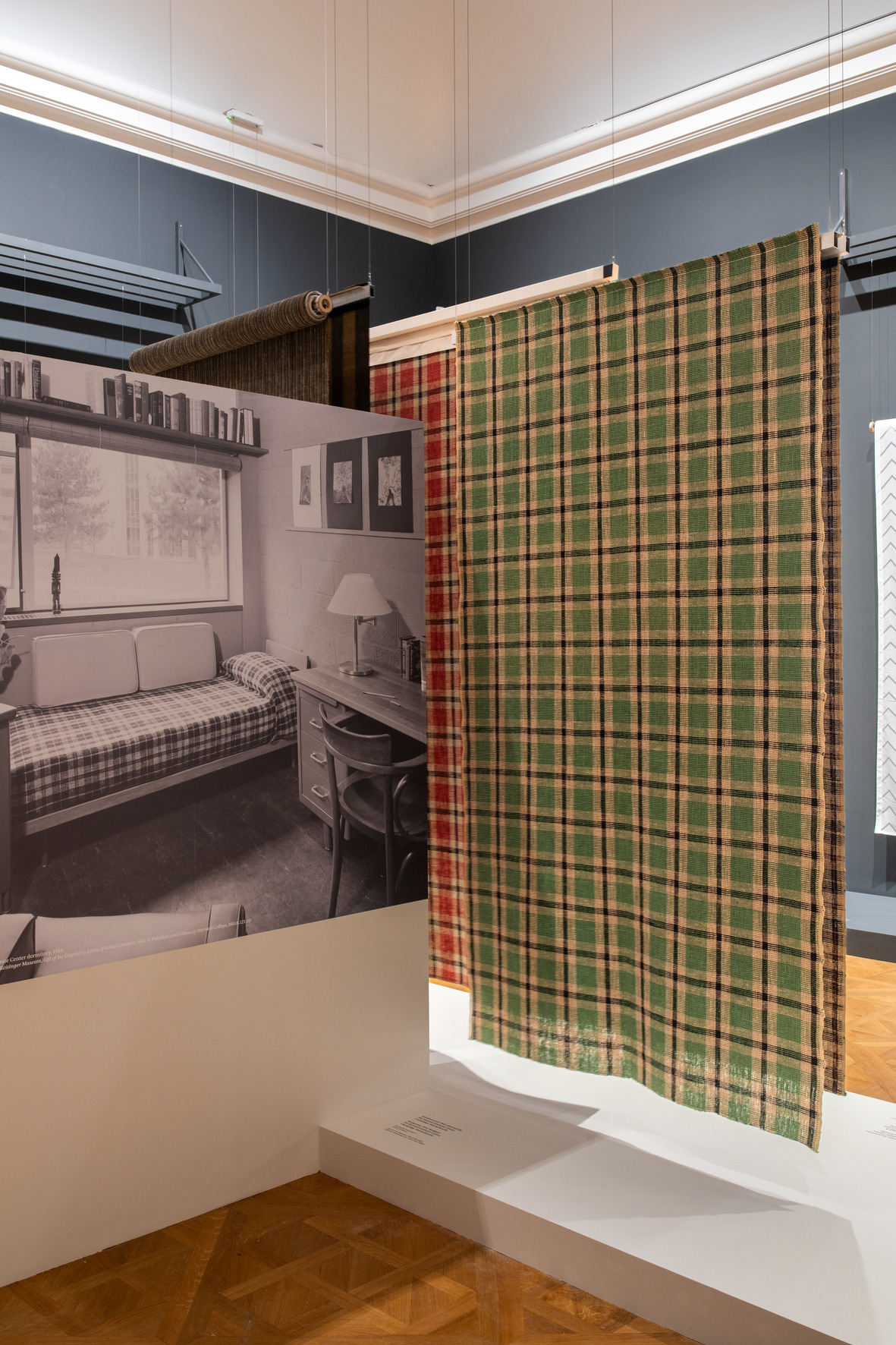
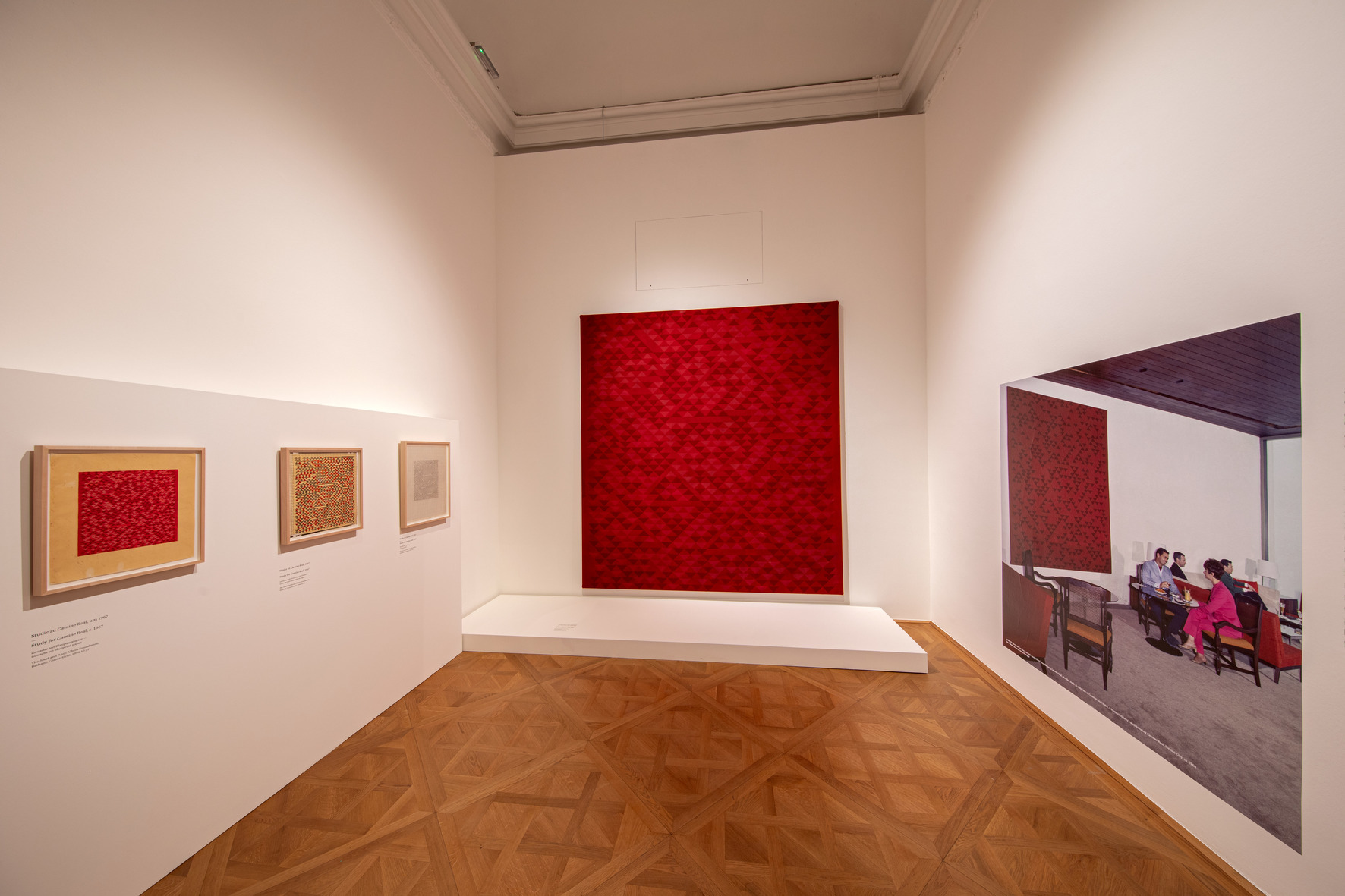
In this exhibition, we focus particularly on Anni Albers’ role as a textile designer, her deep understanding of the central importance of materials in the design process, and her precise and forward-thinking collaborations with architects and other creators. Anni Albers: Constructing Textiles highlights the diversity of materials, techniques, and applications that characterize her experimental approach, and shows how she considered textiles as part of architecture, while also exploring her artistic practice. This opens up a broader perspective on the multifaceted work of this extraordinary artist, say curators Fabienne Eggelhöfer and Brenda Danilowitz.
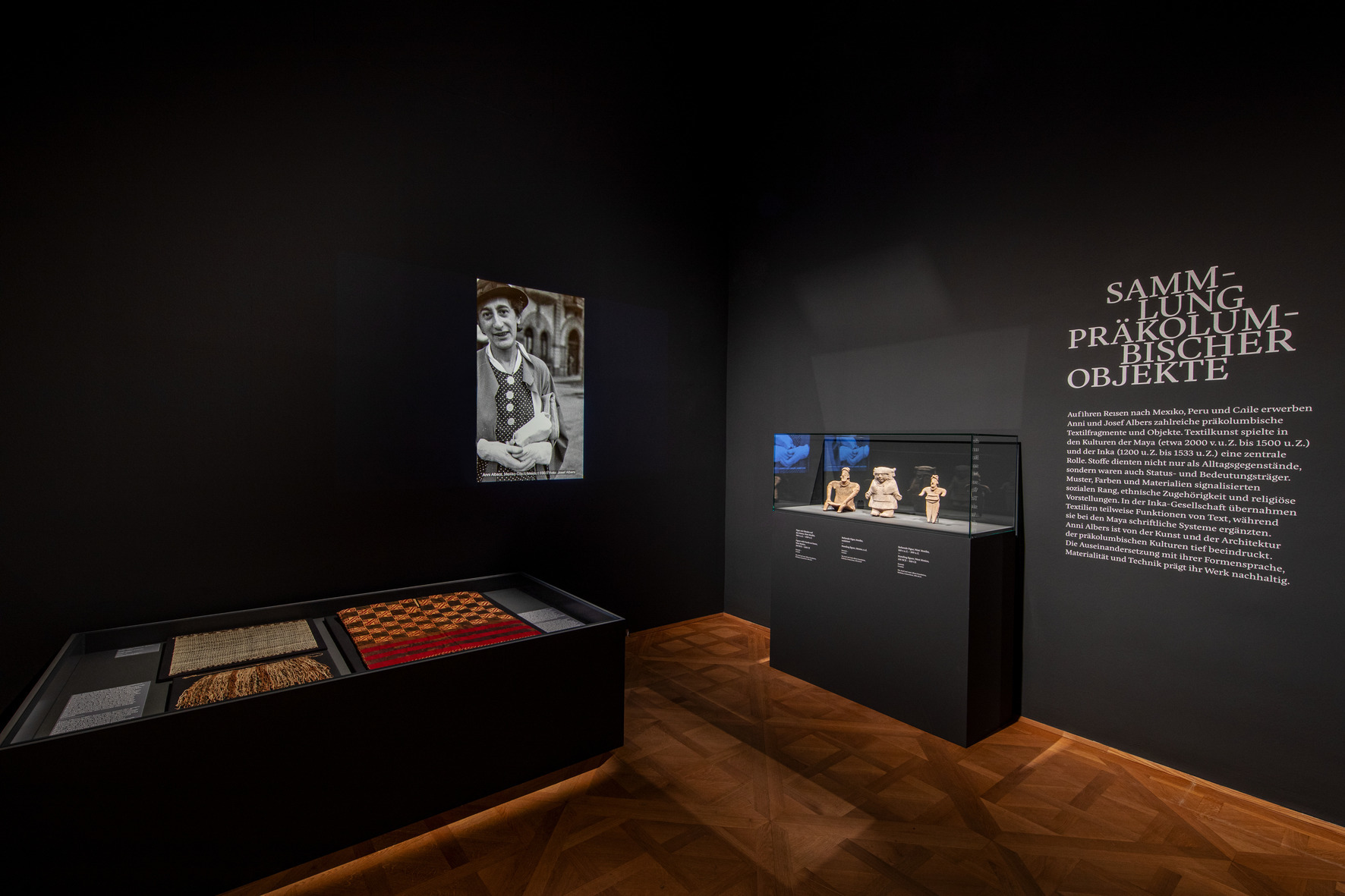
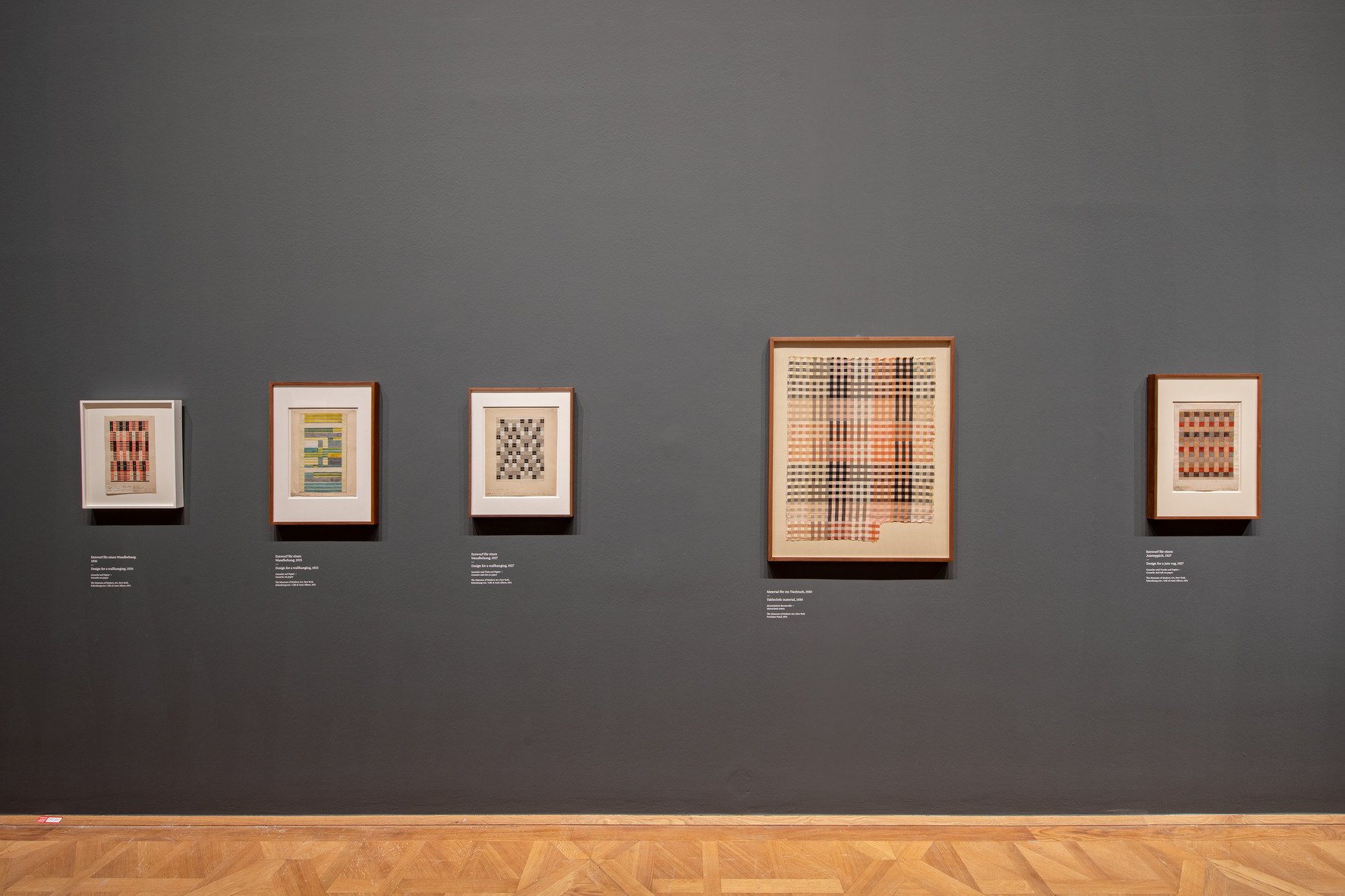
With numerous works from all of her creative periods, from the beginning at the innovative Bauhaus, Dessau, and Berlin, and her time at the legendary Black Mountain College in North Carolina to the 1980s, the exhibition features all aspects of her career: textiles and architecture, weaving and building, past and present. It includes material studies, textile samples, and designs, and also decorative weaving, large-format room dividers, carpets, and curtain materials.