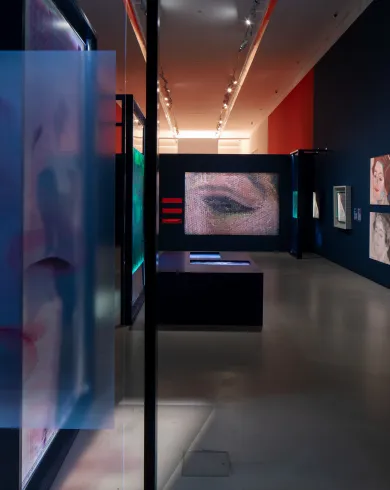


Stellprobe: Behind the Scenes of a Museum Collection
An audio tour about collecting, making decisions, and preserving.
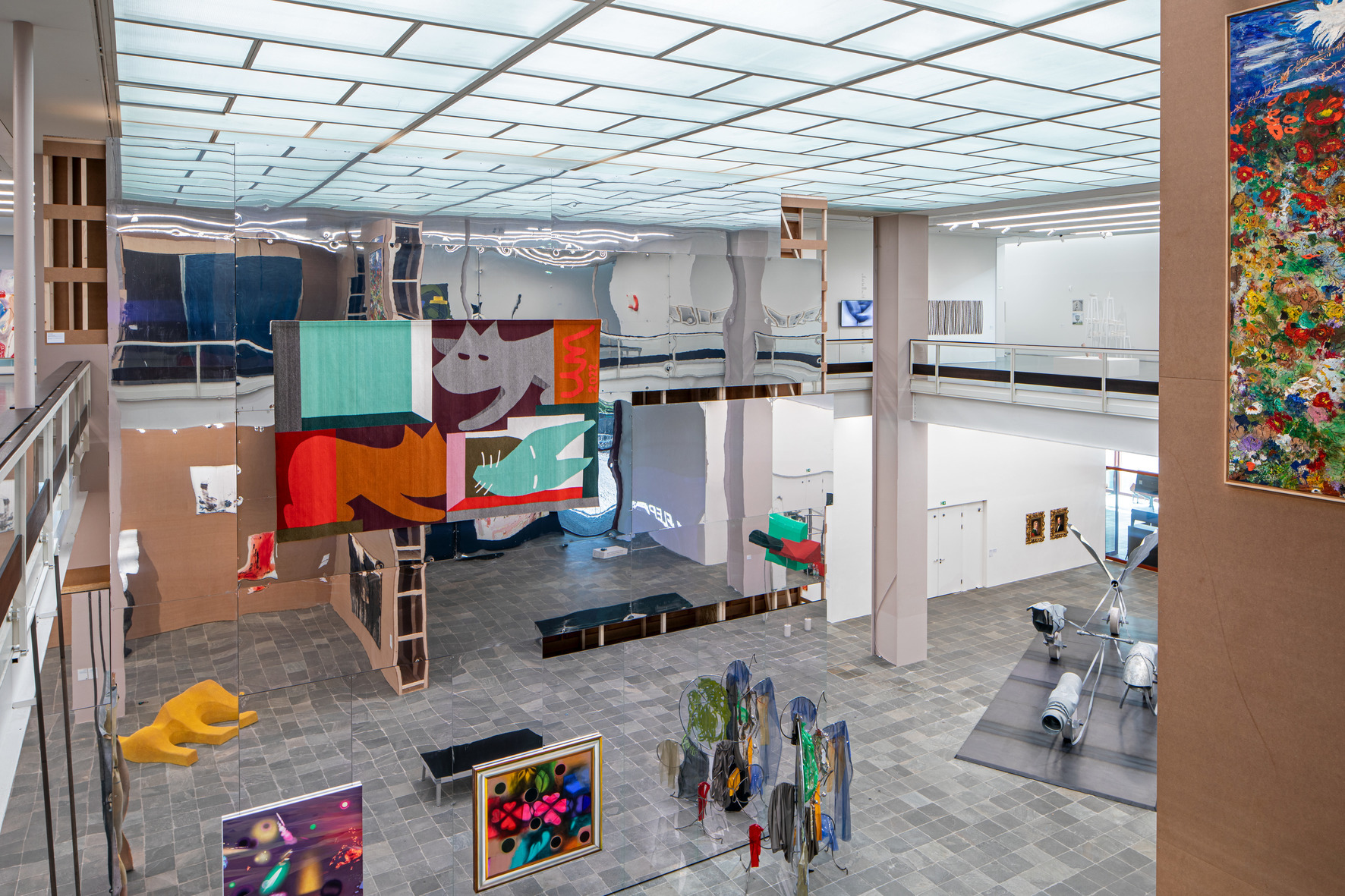
A museum without its own collection is not a museum. At least that is the official definition. But how does a collection come into being? Who decides which works of art are acquired? And what responsibility does a federal museum have when it collects and preserves art on behalf of the public for future generations? The free audio tour accompanying Stellprobe. Collection Acquisitions from the Last Decade in a Display by Heimo Zobernig takes you behind the scenes of the Belvedere. Rather than focusing solely on individual works of art, it reveals how a museum collection is built and introduces the people whose expertise and experience shape it.
Lisa Ebner-Kollmann
Belvedere, Wien
Concept and editing: Belvedere and sisigrant
Production: sisigrant / Iris Borovcnik
Voices: Iris Borovcnik, Samantha Pyra
Interview partners:
Belvedere: Stella Rollig, Luisa Ziaja, Björn Blauensteiner, Katharina Lovecky, Matthias Müller, Johannes Stacher
Artists: Donna Huanca, Margot Pilz, Oliver Ressler, Toni Schmale, Heimo Zobernig
© Ouriel Morgensztern / Belvedere, Wien
What does it mean to collect today?
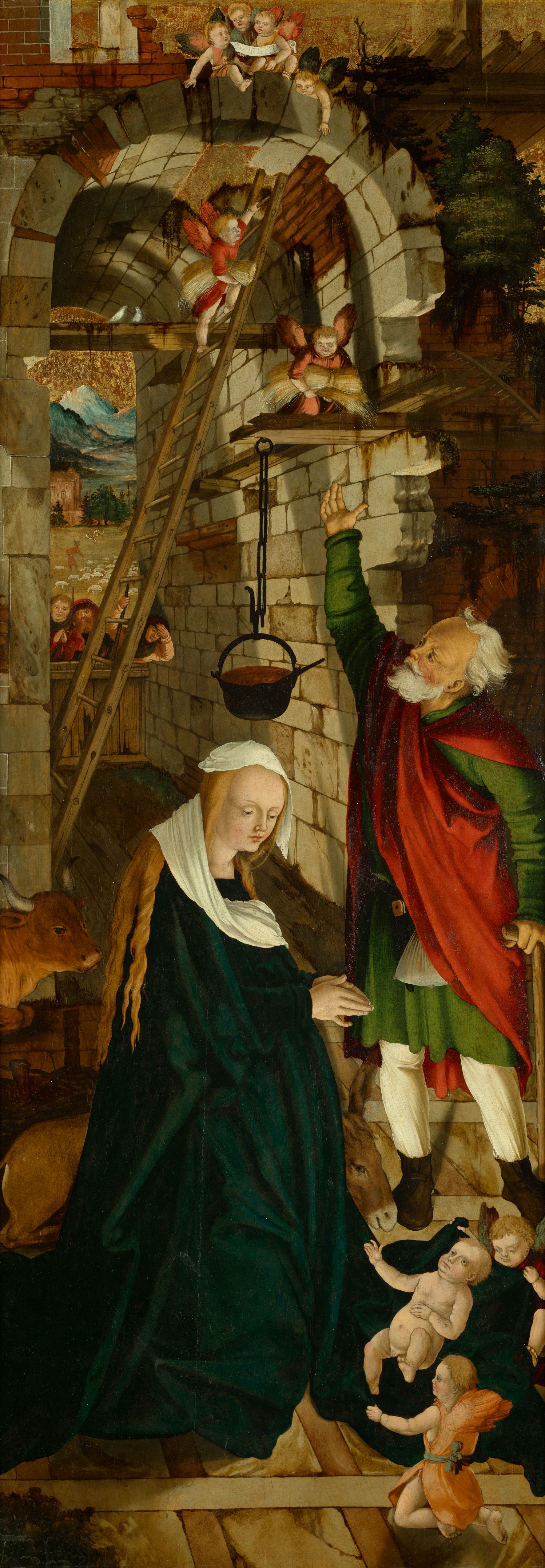
Over the past ten years, approximately 2,500 works have been added to the Belvedere’s collection through acquisitions, donations, and permanent loans – from medieval altarpieces to contemporary video installations. Every acquisition is more than a single decision: it shapes the collection of tomorrow.
Built up over centuries, the Belvedere collection has its roots in the Imperial Picture Gallery of the eighteenth century. At the beginning of the twentieth century, it gained new momentum with the establishment of the Moderne Galerie in what is now the Belvedere. Artists such as Gustav Klimt and members of the Vienna Secession played a key role in advocating for a collection of contemporary Austrian art within an international context.
As a federal museum, the Belvedere collects not for a private collection but on behalf of the public. Every acquisition is therefore also a decision about which stories will be told in the future. The audio tour reveals the considerations behind these decisions, how collections evolve over time, and why museums today consciously ask which perspectives have been overlooked so far and should be represented more prominently in the future.
Many voices – a look behind the scenes
Alongside Director General Stella Rollig, experts from the curatorial department, conservation, and collection management, the exhibition artists themselves also take part in the tour, including Donna Huanca, Margot Pilz, Oliver Ressler, Toni Schmale, and Heimo Zobernig. They offer insights into their artistic practice and reflect on what it means to become part of a museum collection.
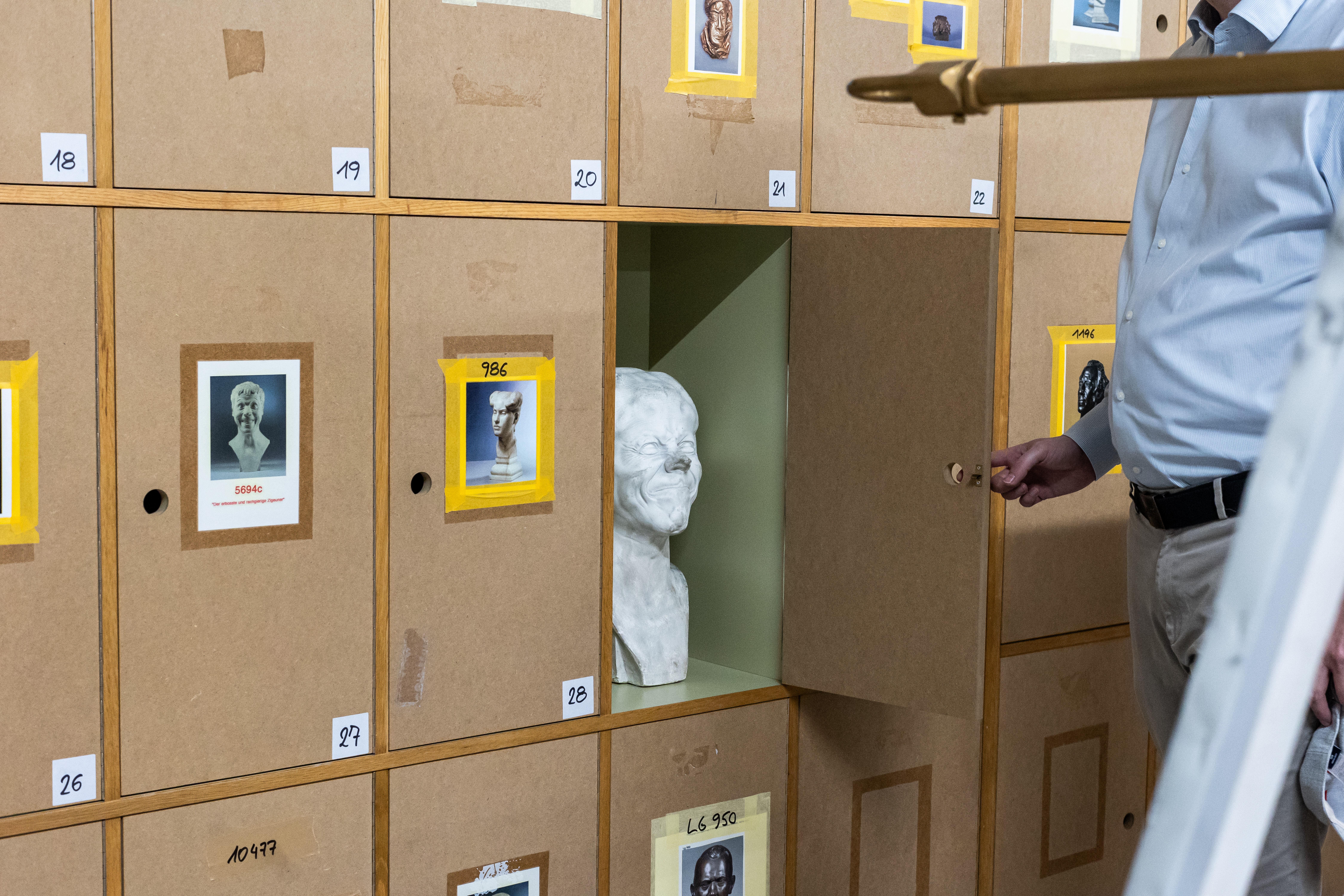
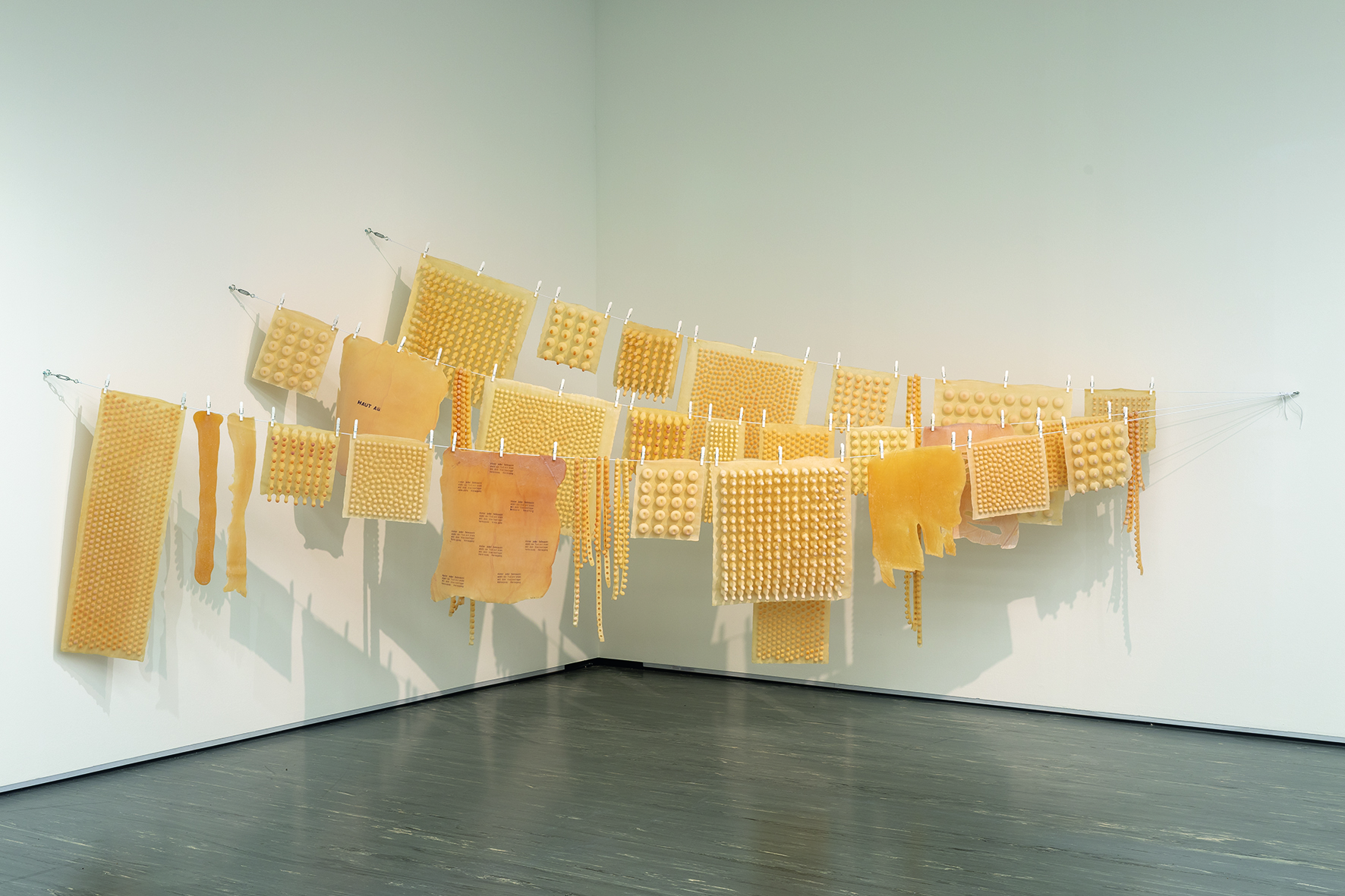
Museums do not collect at random. Every acquisition is the result of careful consideration, scholarly expertise, and long-term thinking. Which works strengthen a collection? Which artistic positions deserve greater representation? And how do our perspectives on art change over time?
These questions extend beyond art history alone. Conservators are also involved in acquisition decisions: How can a work be preserved in the long term? How will it be transported, stored, or installed? Especially in contemporary art, such considerations play a crucial role.
The audio tour adds another layer to the exhibition. It reveals what usually remains hidden from visitors: how museums work, how collections grow, and what considerations lie behind the acquisition of works of art.
Every museum collection tells not only the history of art, but also the story of the decisions that shape our cultural future.
How does the tour work?
The audio tour is free and accessible via your own smartphone – whether in the museum or from anywhere else.
It can accompany your exhibition visit, serve as an introduction beforehand, or provide further insights afterwards. Since each stop tells a self-contained story, the tour can also be explored in any order.