

TikTok, Instagram & Co.
Making a Museum Visible
Making the Museum: Social Media Management
The series “Making the Museum” takes you behind the scenes of the Belvedere’s inner workings.
Lisa Ebner-Kollmann
Belvedere, Wien
The federal museum employs over 300 people from a wide variety of backgrounds across a multitude of fields. To fulfill the various tasks – from collecting and preserving to researching, exhibiting, and educating – it requires dedicated experts from numerous disciplines.
In this issue, we focus on in-house social media management.
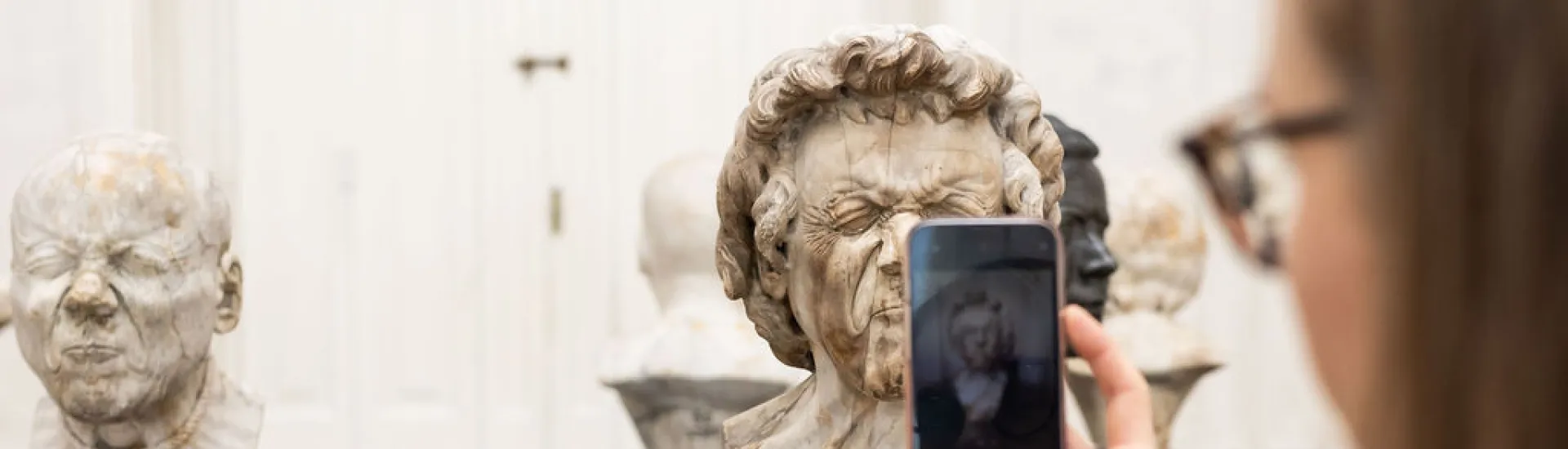
These days, anyone visiting a museum has probably already encountered it online in some form or other: a video on TikTok, a photo on Instagram, or a mention of an exhibition. Digital content accompanies the museum visit long before it even begins.
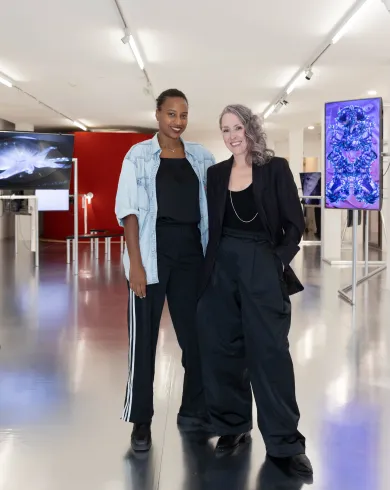
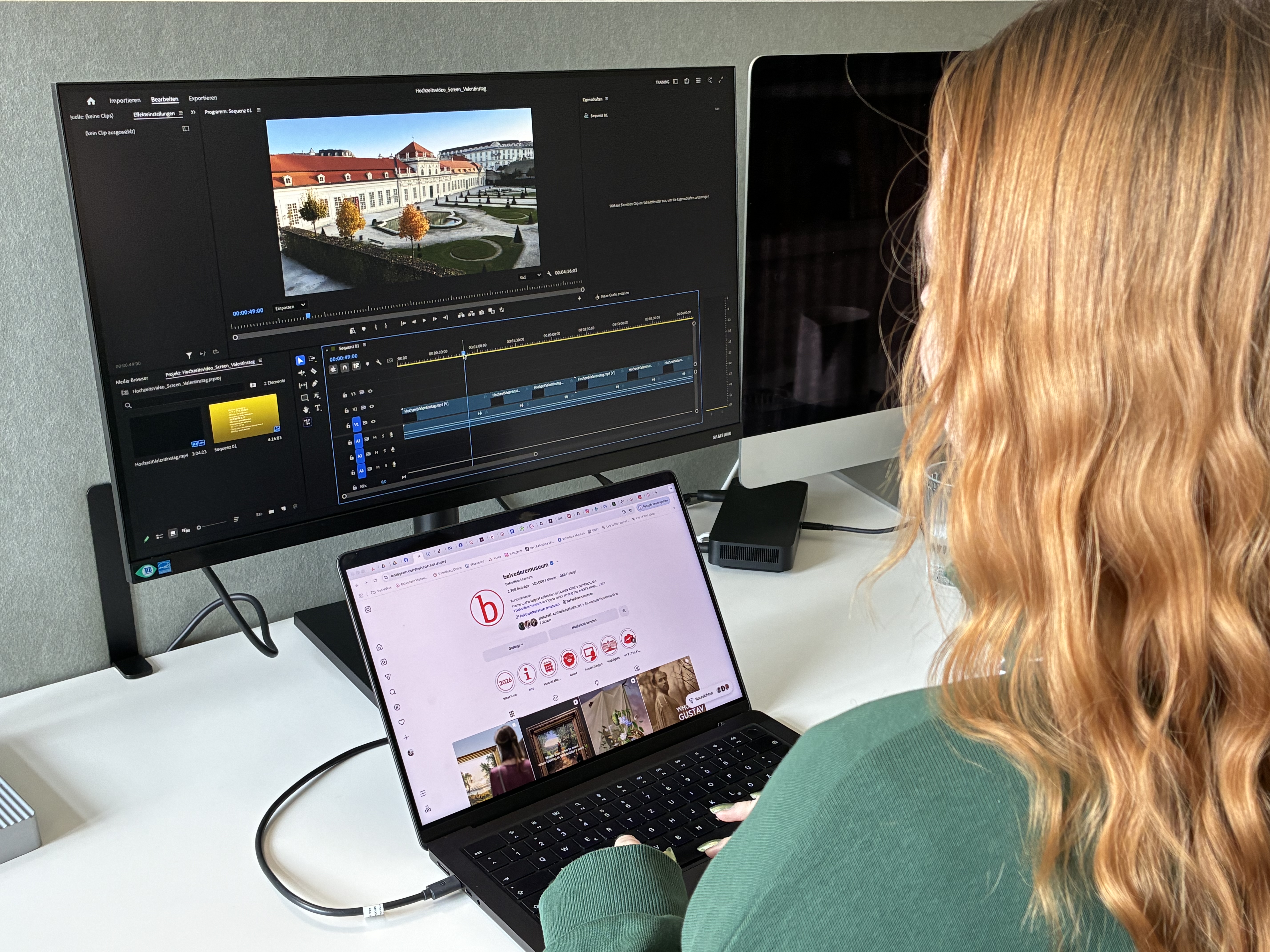
What is less apparent is that this presence is the result of a distinct field of work. At the Belvedere, three members of staff currently manage the social media channels for all locations, from the Upper and Lower Belvedere to Belvedere 21. They post on platforms such as Instagram, Facebook, TikTok, YouTube and LinkedIn, reaching an international audience daily.
This is an essential part of what a museum needs to become and remain visible today.
Connecting with the Public
Social media is not an isolated area within the museum. It is a central link between the institution and the public. The social media team's responsibilities range from strategic planning and content creation to the implementation of individual posts.
Social media managers develop editorial plans, produce videos, write texts and coordinate campaigns. They also maintain close communication with curators, the art education department, the graphic design department, the PR department, and other departments to produce and publish content in a timely manner.
“The content we publish represents the museum to the outside world. In a way, we act as its voice.”
The role of communication here is significant in shaping the public perception of the institution.
More Than Just a Post
One might think that producing a single post is quick. In fact, it is the result of a multi-layered process.
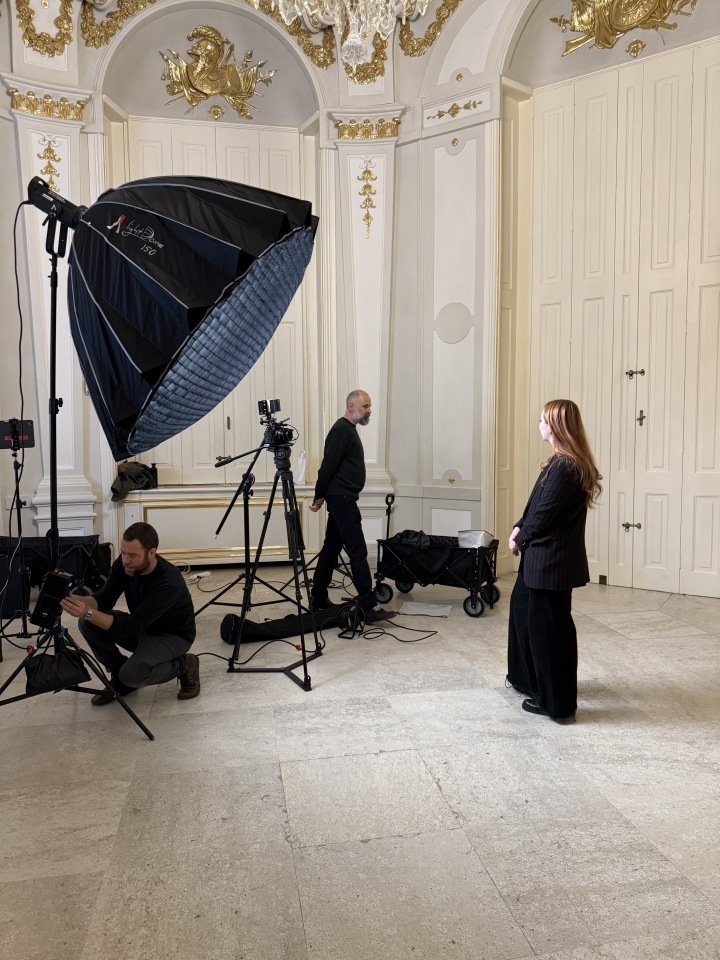
First, there is a discussion about the content: Which topics are relevant? How can they be presented? Which images or formats are suitable? This is followed by research, coordination with specialist departments, script development and production, from video recording to post-production.
"Before a post or video goes online, we conduct thorough research and carefully consider exactly how to present content in a way that is both accurate and engaging."
Added to this are community management, answering questions, moderating discussions and the ongoing analysis of reach and reactions.
Only a small part of this work is visible to the outside world.
Navigating Tensions
Digital communication in museums operates within a set of tensions. Content must be scholarly accurate yet accessible to a broad audience. It should inform, provide context and spark interest, while also aligning with the logic of different platforms.
Striking this balance is challenging.
"People often underestimate how much weight individual phrases can carry on social media."
After all, posts are commented on, shared and taken out of context. Social media is therefore not only a communication channel, but also a public space where the museum is both visible and vulnerable.
A Job with Many Demands
The work requires a broad range of skills. In addition to technical know-how and a sense of trends, it demands, above all, subject knowledge, as well as strong communication and organizational skills.
At the same time, the field demands a balance between planning and the ability to react spontaneously: new formats emerge, platforms change, and discussions often develop in unpredictable ways.
„In our field, flexibility and responsiveness are key. We have to be able to react quickly to current developments. At the same time, it’s crucial to work accurately to ensure that content is conveyed correctly, coherently, and in line with artistic intentions.“
The paths to this profession also vary. The three employees bring experience from journalism, literary studies, cultural institutions, and the agency world. There is no single, straightforward path – what matters is the ability to bring different perspectives together.
Part of Museum Work
Social media does not fundamentally alter the museum, but it expands its reach. Content moves beyond the physical space and becomes part of a digital conversation that extends far beyond the exhibition hall.
For the staff members, this work is more than just communication.
„It is a privilege to help shape an institution that plays an important role in society and to share its content with the public."
This creates a field of work at the intersection of education, public engagement, and cultural mission.
What it takes for a museum to be visible today goes beyond exhibitions, collections, and spaces. It also takes people who can interpret and contextualize this content, put it into perspective, and place it in new contexts – often in the form of a single post that involves more work than it might seem at first glance.