

A Momument and Its People
On guest workers, memory and the question of visibility
Denn ein Denkmal ist immer auch die Summe dessen, was an in Bronze gegossenem oder in Stein gehauenem Wissen an die unmittelbare Umgebung abgegeben wird.
Leonhard Pill / Zsolna
A whole year has flowed down the Danube since Vienna’s long-promised monument to guest workers was announced, yet again, for the umpteenth time, and, predictably, nothing much has happened since. In April 2023, at least, Savo Ristić—the son of guest workers from the former Yugoslavia and the man behind the idea—was finally able to name a location: Helmut-Zilk Park, where the monument is supposed to stand someday. It matters, this monument. After decades of relative invisibility, the people who helped rebuild war-torn Austria into one of the world’s wealthiest democracies are supposed to get the recognition they deserve —for a contribution, mind you, that is still going strong into the third generation.
From the very beginning, relations between newcomers and locals were tense. The strict separation between the native population and the working “guests” was not only desired but actively promoted by employers, who provided inhospitable accommodations designed to encourage a quick departure. They were also denied access to language courses, making it difficult for people from Turkey or the former Yugoslavia to communicate—both in their new environment and with one another. This policy led to generations of isolation. The years lost to failed integration are still invoked today by some to stir resentment against alleged “parallel societies”—societies they themselves helped create. And let’s not forget: the first generation of guest workers found themselves face-to-face with people who, less than twenty years earlier, had taken part in the Holocaust.
But is the situation really any better today? I would argue that this question should be put on hold until Austria—an immigration country in its own right—can no longer score political points at the expense of its so-called “foreigners.” Good intentions and fine words do little for the cause when, once again across Europe, (neo-)fascist parties rise to power and belittle the achievements of the very people they once invited to rebuild their nations, to the point that those contributions risk being forgotten.
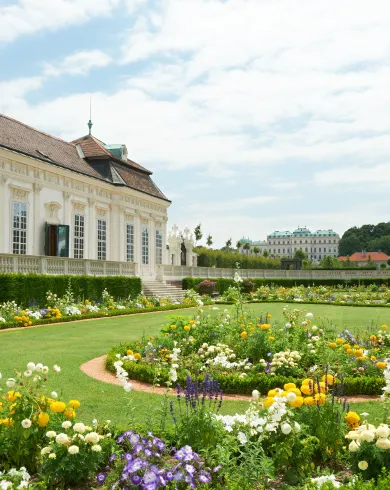
A guest workers’ memorial in Vienna will, of course, not avert the impending threat. A monument is, in the end, always the sum of what it knows and the understanding it releases into its surroundings—cast in bronze or carved in stone. For that very reason, the site near the former Südbahnhof should inspire action from the people, companies, and institutions rooted here—the Belvedere, Erste Bank, the ÖBB, the Paul Zsolnay publishing house to take an active role in bringing this memorial to life: to oppose the endless polarization with the embodied wisdom of those who came—with their hands, their feet, and their heads—to build the country that was to become their own.
Article first published in "Belvedere Kunstmagazin" no. 1-2024.