


Who Was Gustav Klimt?
Who? What? Why?
Gustav Klimt: Gold, the Secession and New Images of Modernism
Lisa Ebner-Kollmann
Belvedere, Wien
AI-generated
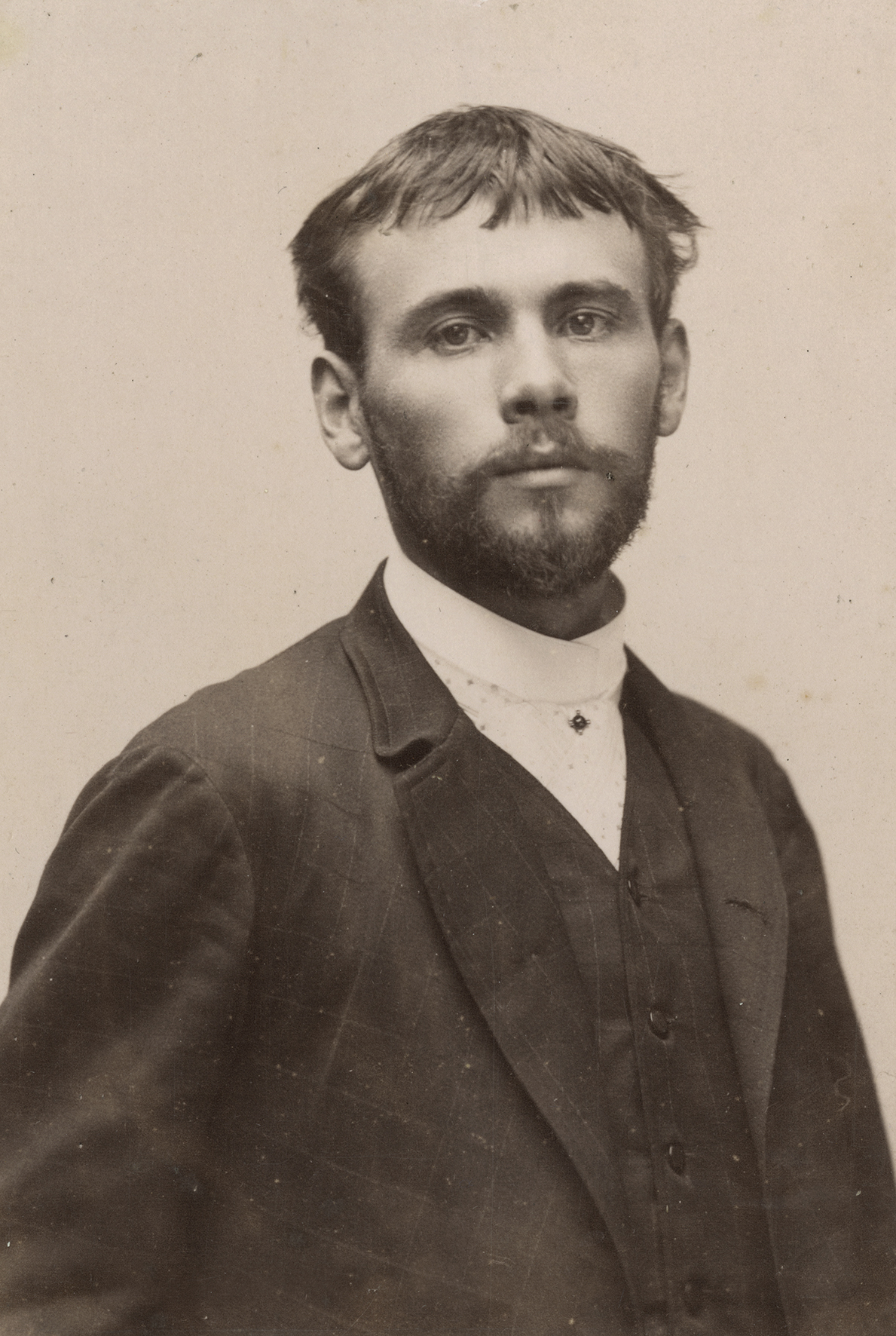
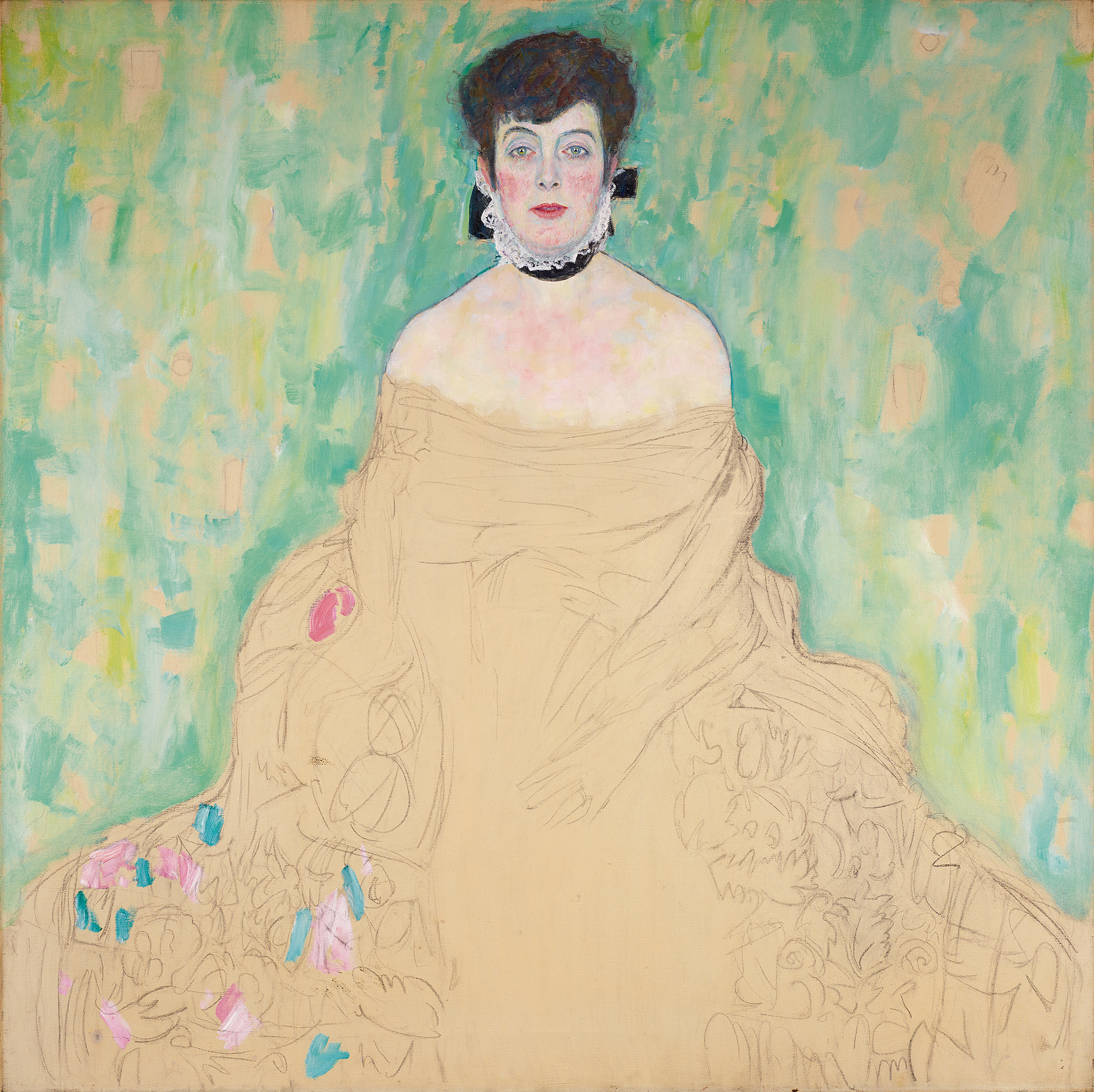
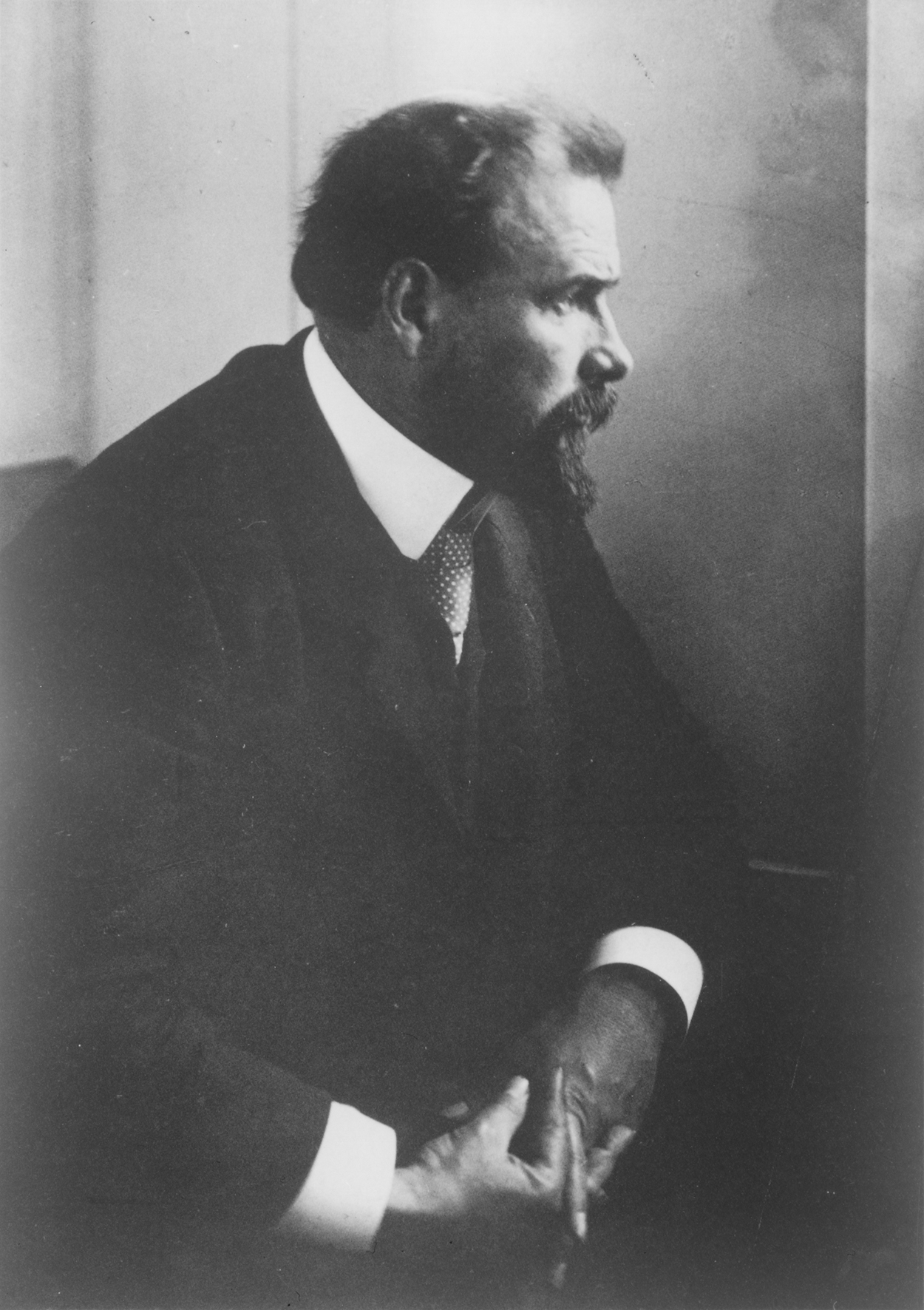
Gustav Klimt (1862–1918) was an Austrian painter and one of the most important representatives of Viennese Modernism. He broke with the traditions of his time and radically established a new, modern concept of art that had a lasting impact on artistic creation around 1900. His works remain unmistakable to this day: gleaming golden paintings, a completely new depiction of the human body, and fascinating female figures.
But who was Gustav Klimt, really?
Klimt was a revolutionary of his time. His experimental exploration of color, line, light, and perspective contributed significantly to the overcoming of academic painting and the phenomenon known as “Vienna around 1900.” He was a co-founder and the first president of the Secession and the genius behind the world-famous painting “The Kiss.” Over a period of just 40 years, Klimt created a multifaceted body of work that remains unparalleled to this day. Yet his career began quite traditionally.
How did Gustav Klimt come to art?
Education and Tradition
Gustav Klimt had been surrounded by arts and crafts since birth. His father was an engraver, and both he and his brother Ernst later attended the School of Applied Arts in Vienna (today the University of Applied Arts). This school had in fact been founded only shortly before and was intended specifically for the education of children from families in the arts and crafts trade.
Here, the Klimt brothers became acquainted with the artistic ideals of the time: historical themes, illusionistic painting, and academic rules determined what was considered “good art.” The world was to be imitated in the picture. Thus, Klimt’s early work was still in the Neo-Renaissance and Neo-Baroque styles.
Together with his brother and his friend Franz Matsch, Klimt decorated numerous theater buildings with ceiling paintings even during his training and beyond. The trio also contributed ten ceiling paintings on the history of theatre at the Burgtheater on Vienna’s Ringstrasse.
But soon, a severe blow of fate led Klimt to question many aspects of his life – including artistic conventions. In 1892, his father and his brother Ernst died within just a few months of each other. The loss plunged Klimt into a long-lasting crisis, during which his style and his work also changed rapidly and radically.
![The image shows a woman seated at a piano, with her attention focused on the instrument. Behind her, a second figure is depicted, floating in a graceful pose. This figure is draped in a flowing fabric. The background is partially abstract, containing rough shapes that resemble either figures or geometric forms. [AI-generated with ChatGPT]](/sites/default/files/2025-08/Gustav%20Klimt_Orgelspielerin_Allegorie%20der%20kirchlichen%20Musik_Entwurf_1885.jpg)
Why is Gustav Klimt considered a revolutionary?
The Secession and the Modern Concept of Art
In just a few years, Klimt evolved from a decorative commissioned painter into one of the most innovative artists of his time. He experimented with color, surface, and composition, increasingly moving away from the illusionistic depiction of reality. His works became more two-dimensional, symbolic, and personal. Instead of clearly narrated scenes, he created images intended to make feelings, thoughts, and inner states visible. Allegories – that is, pictorial representations of abstract ideas – played a central role in this.
At the same time, Klimt turned against the increasingly conservative art scene in Vienna. Together with like-minded artists, he left the Künstlerhaus in 1897 and founded the Secession, becoming its first president. Its goal was a free, market-independent exhibition system and exchange with international artists.
“To the age its art, to art its freedom”
This was the motto that still adorns the Secession building in Vienna today.
Painting, sculpture, and architecture were treated as equal to applied arts. This gave rise to the concept of the "Gesamtkunstwerk", in which paintings were understood as part of larger ensembles comprising architecture and interior design.
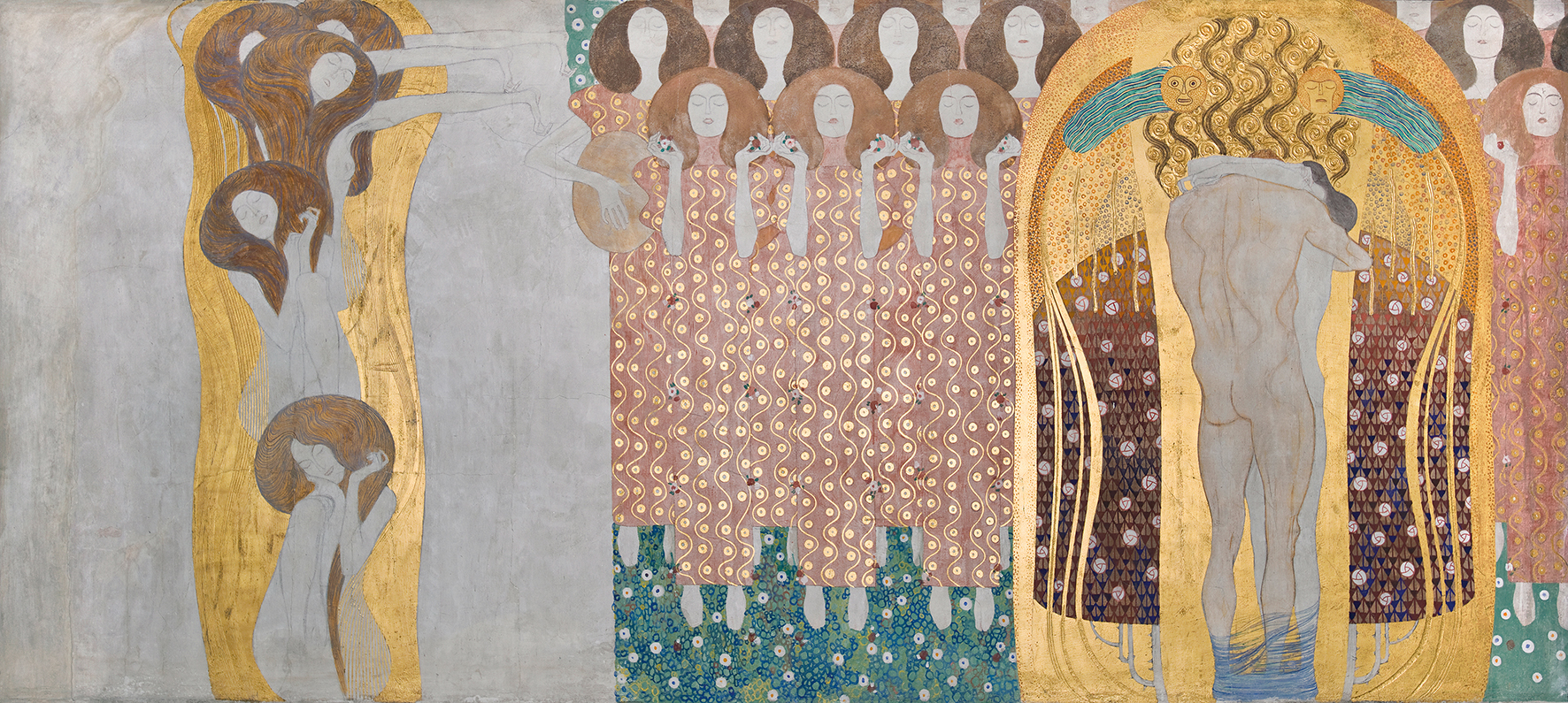
Klimt’s art was not universally met with enthusiasm though: the faculty paintings he created for the University of Vienna, in particular, sparked fierce controversy. As part of this commission, Klimt was tasked with creating representative ceiling paintings depicting the disciplines of medicine, philosophy, and jurisprudence. Contemporary critics found them too modern, too enigmatic, or too provocative. Klimt subsequently withdrew from government commissions and henceforth worked independently on his own artistic vision.
"Klimt’s art brings together opposites: tradition and innovation, beauty and provocation, intimacy and publicness."
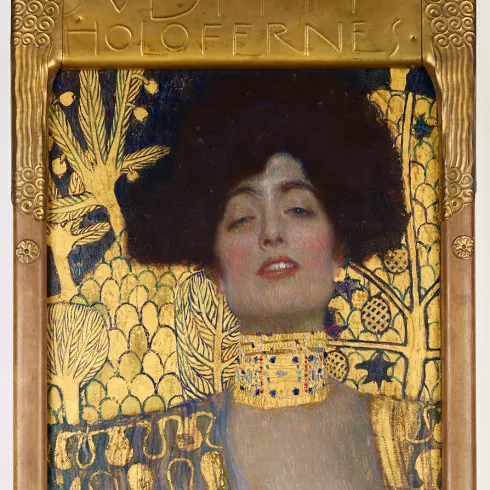
![The image depicts a woman dressed in an ornate garment, posed in a way that radiates confidence. Her face has a gentle expression, and she gazes directly at the viewer. The background features golden and ornamental motifs reminiscent of a decorative style. The composition is vertically oriented, and the frame is elaborately designed. [AI-generated with ChatGPT]](/sites/default/files/2025-08/Gustav%20Klimt_Judith.jpg)
What makes Gustav Klimt’s style so distinctive?
Gold, ornamentation, and shimmering color
What makes Klimt’s works unmistakable to this day is their unique aesthetic. He combined painting with elements of decorative arts, creating images that also resemble precious objects.
His so-called “Golden Period” is particularly famous, featuring works such as “Judith I” and the portrait “Adele Bloch-Bauer I”. During this time, Klimt integrated gold leaf, silver, and other metals directly into his paintings – a technique that deliberately broke with the rules of illusionistic painting. Inspired by Byzantine mosaics, Japanese art, and historical models, he developed a completely new visual language.
His depiction of people – especially women – was also unique. He painted skin in shimmering, almost translucent hues, while bodies are surrounded by or fused with ornamental patterns. Many of these depictions are closely connected to the women in Klimt’s circle – models, friends, and patrons who played a central role in his work.
Why is Gustav Klimt still famous today?
Gustav Klimt died in Vienna in 1918, yet his works have lost none of their impact. His unmistakable style and critical spirit continue to move and inspire people to this day. His masterpiece “The Kiss” (1908/09) is known worldwide and captivates new and returning visitors every year.
The Belvedere displays Klimt’s masterpiece at the center of its permanent collection. Furthermore, the Belvedere houses the world’s largest collection of his paintings – making it a central destination for experiencing Klimt’s work. Even during his lifetime, the artist was connected to the museum and supported the founding of the Modern Gallery, from which today’s collection emerged.
Klimt’s art brings together opposites: tradition and innovation, beauty and provocation, intimacy and publicness. It is precisely these areas of tension that make his art so relevant today.
There is still much more to learn about Gustav Klimt. Questions such as why Klimt used gold, silver, and platinum, how he reimagined the human body, and what role women played in his life and work, will be explored in greater detail in the following articles in this series.
Galerie
![The image depicts a couple embracing. The figures are surrounded by a shiny golden background that is richly adorned. The one figure appears to be wrapped in a magnificent garment decorated with various patterns and floral motifs. Their faces are close together, and their eyes are closed, conveying an intimate and deep connection. The lower part of the image is filled with a lush vegetative depiction. [AI-generated with ChatGPT]](/sites/default/files/2025-08/Gustav%20Klimt_Kuss_Belvedere.jpg)
![The image depicts a woman sitting in an elegant, elaborate dress. She has an intricate hairstyle and holds a red card in her hand. Her gaze is thoughtful and directed at the viewer. In the background, there are blooming plants that give the painting a romantic atmosphere. [AI-generated with ChatGPT]](/sites/default/files/2025-08/Gustav%20Klimt_Sonja%20Knips.jpg)
![The image depicts an avenue lined with tall, slender trees. The tree trunks are straight, and the branches spread upward, creating an arched effect. At the end of the avenue, a building is visible, integrated into the scene. The path is paved and leads directly toward the building. The entire composition conveys a sense of depth and perspective. [AI-generated with ChatGPT]](/sites/default/files/2025-08/Gustav%20Klimt_Allee%20im%20Park%20vor%20Schloss%20Kammer_1912.jpg)