

An In-Depth Look at the Future
The Belvedere Salzburg at the Neue Residenz
It is a unique undertaking: as part of the complete renovation of the Neue Residenz in Salzburg, the Belvedere seized the opportunity to expand and establish a satellite location in another Austrian state—the Belvedere Salzburg. Together with the Salzburg Museum, which is also extending its presence on the site, the project makes a strong cultural statement in the city of Mozart.
Lena Mayr
David Payr
Filippo Bolognese Images
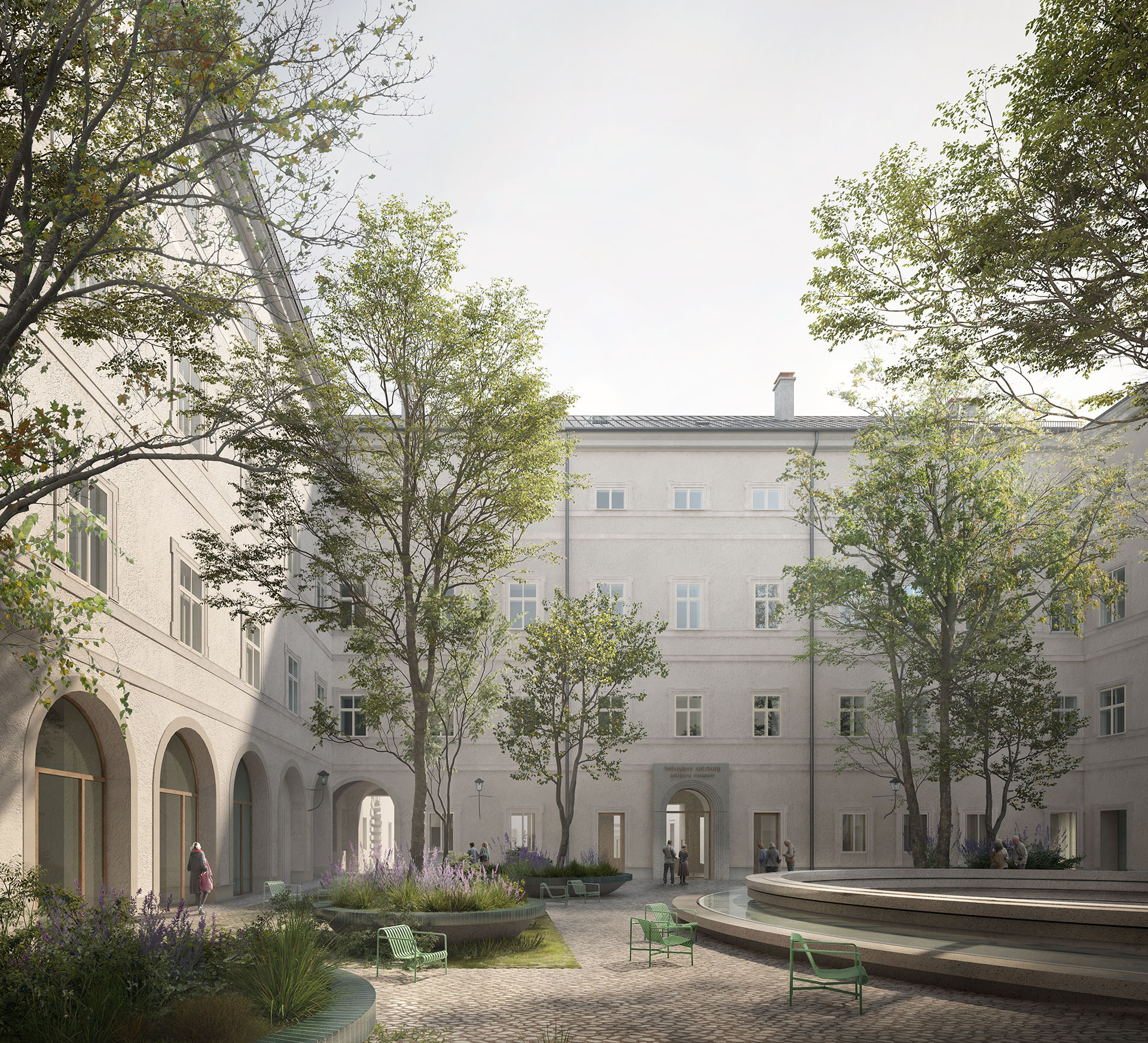
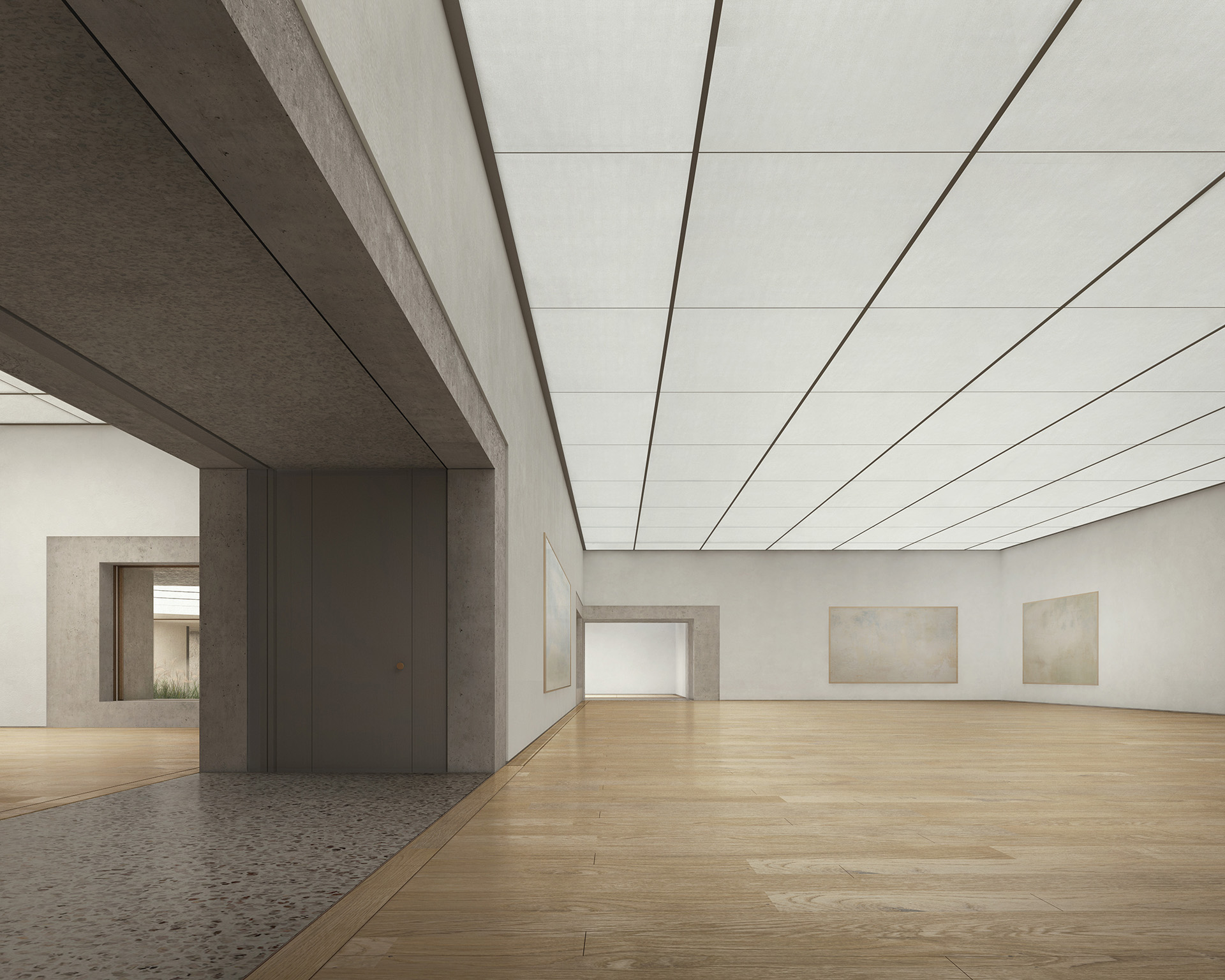
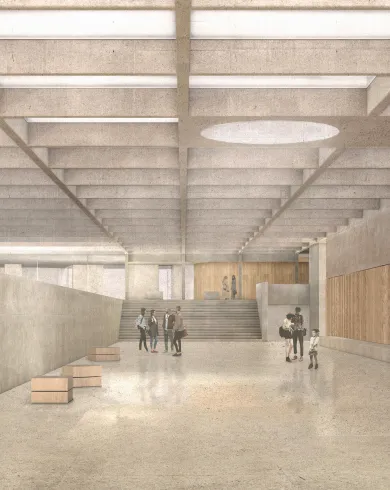
Belvedere General Director Stella Rollig and Salzburg Museum Director Martin Hochleitner are unanimous in their excitement: “It’s an extraordinary collaborative project that we’re very much looking forward to.” Future visitors can share that anticipation: they will find a new place to linger in the Belvedere courtyard—and a subtly integrated underground art gallery designed around an architectural concept that connects the different levels through a distinctive distribution of light.
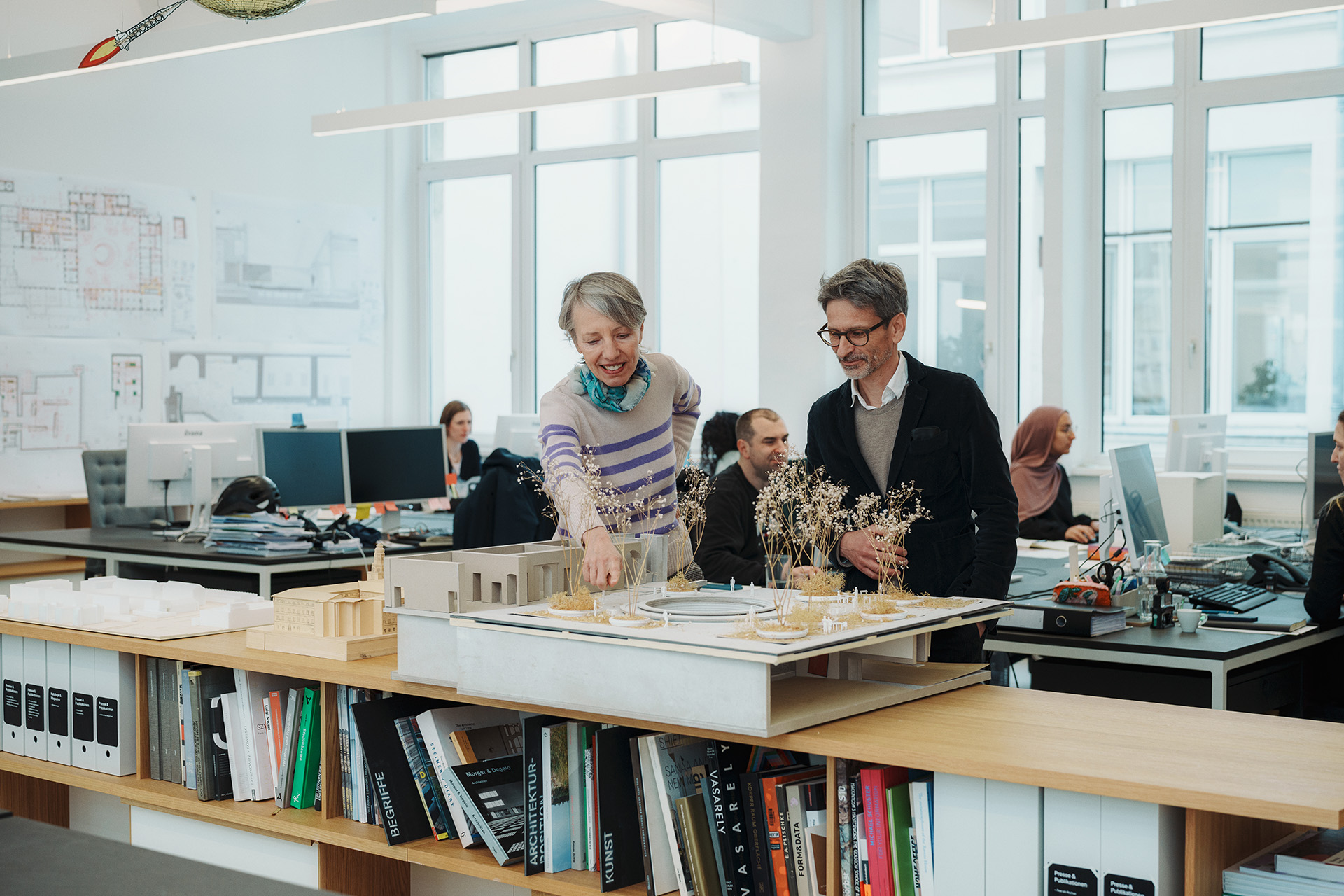
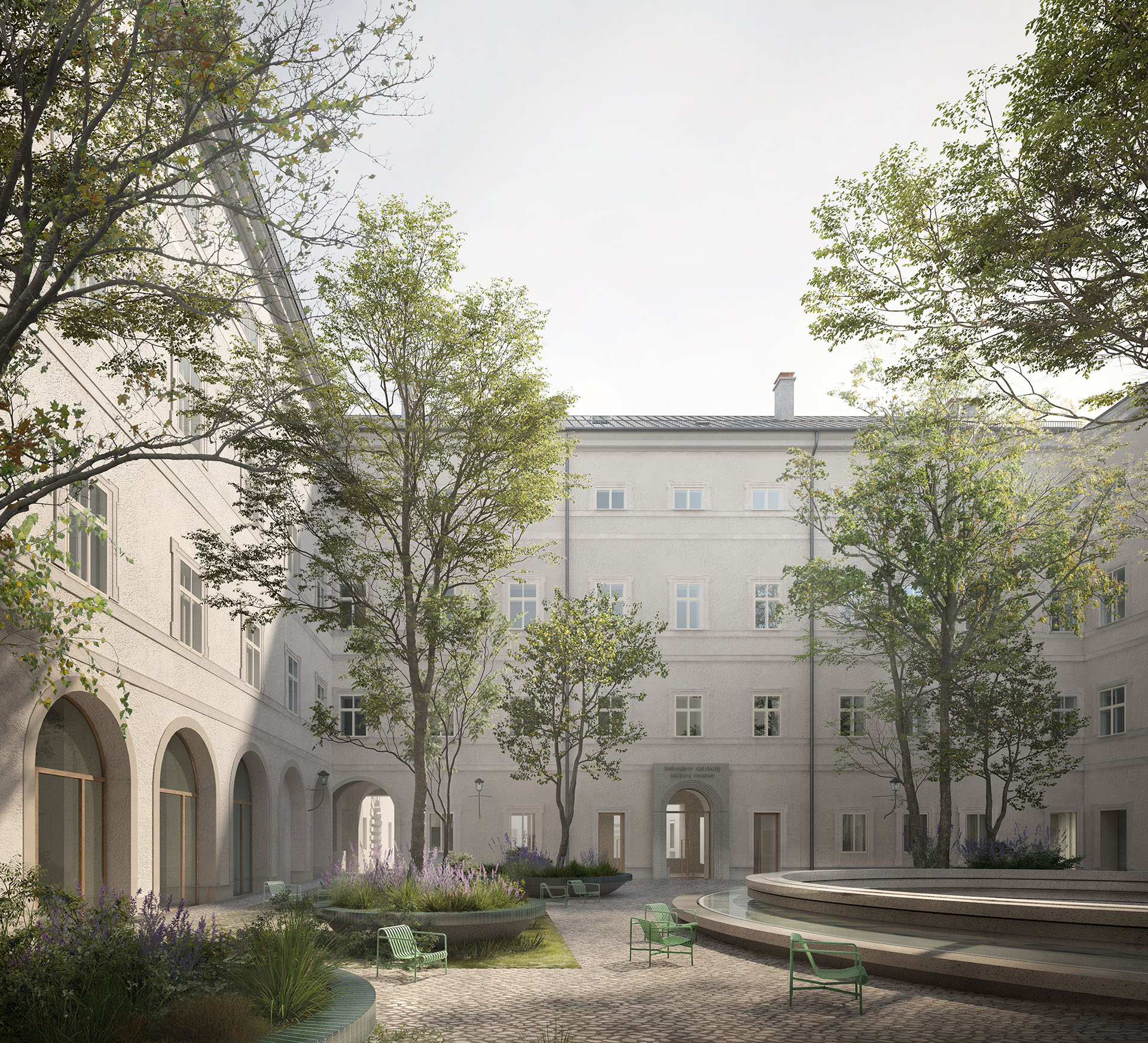
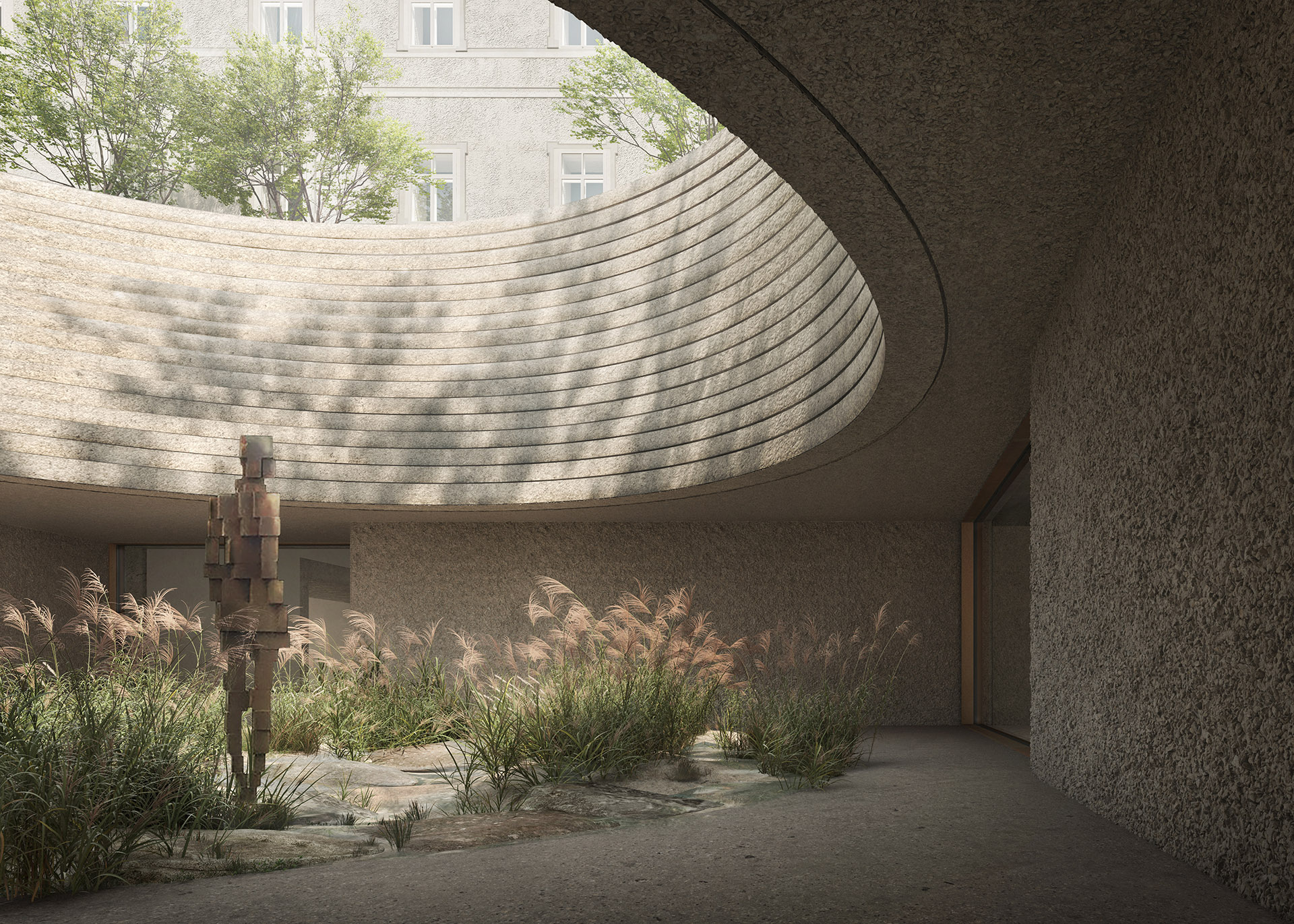
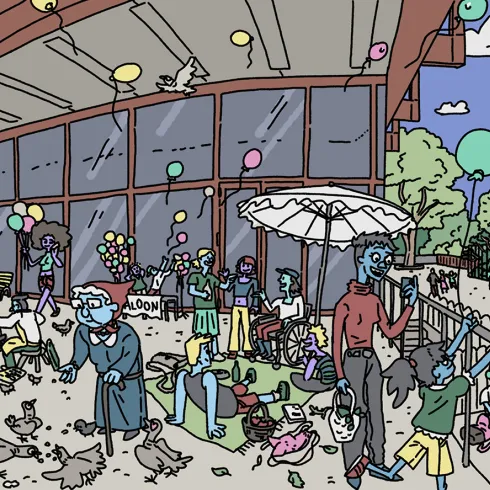
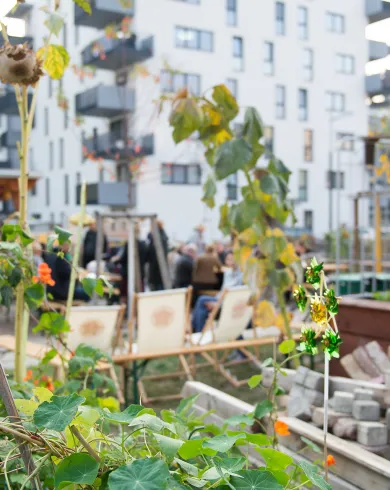
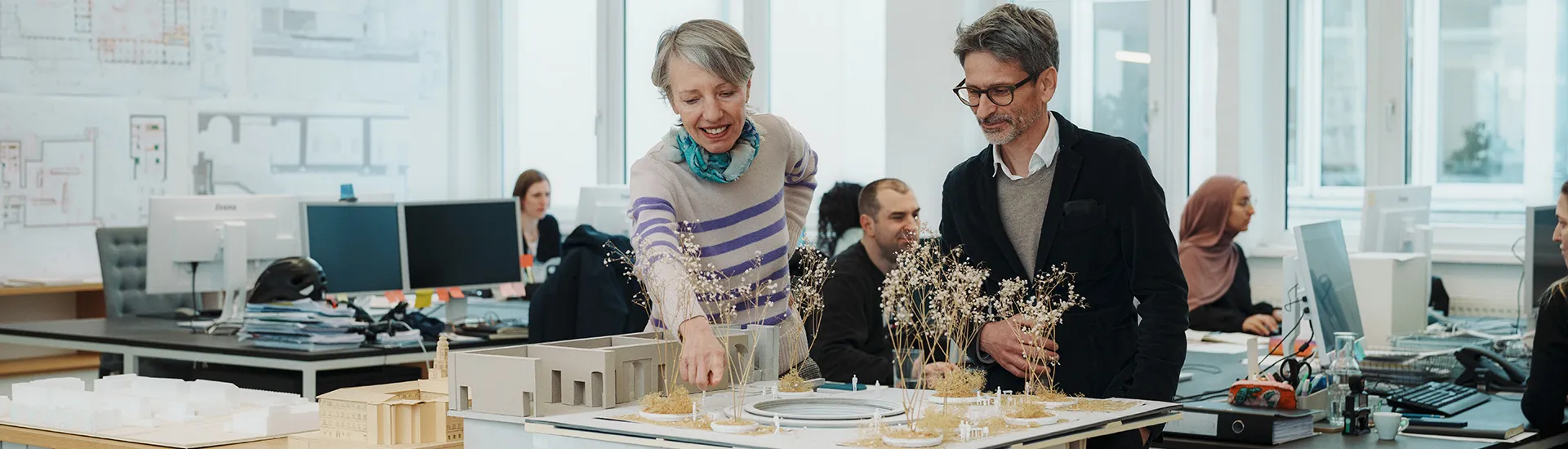
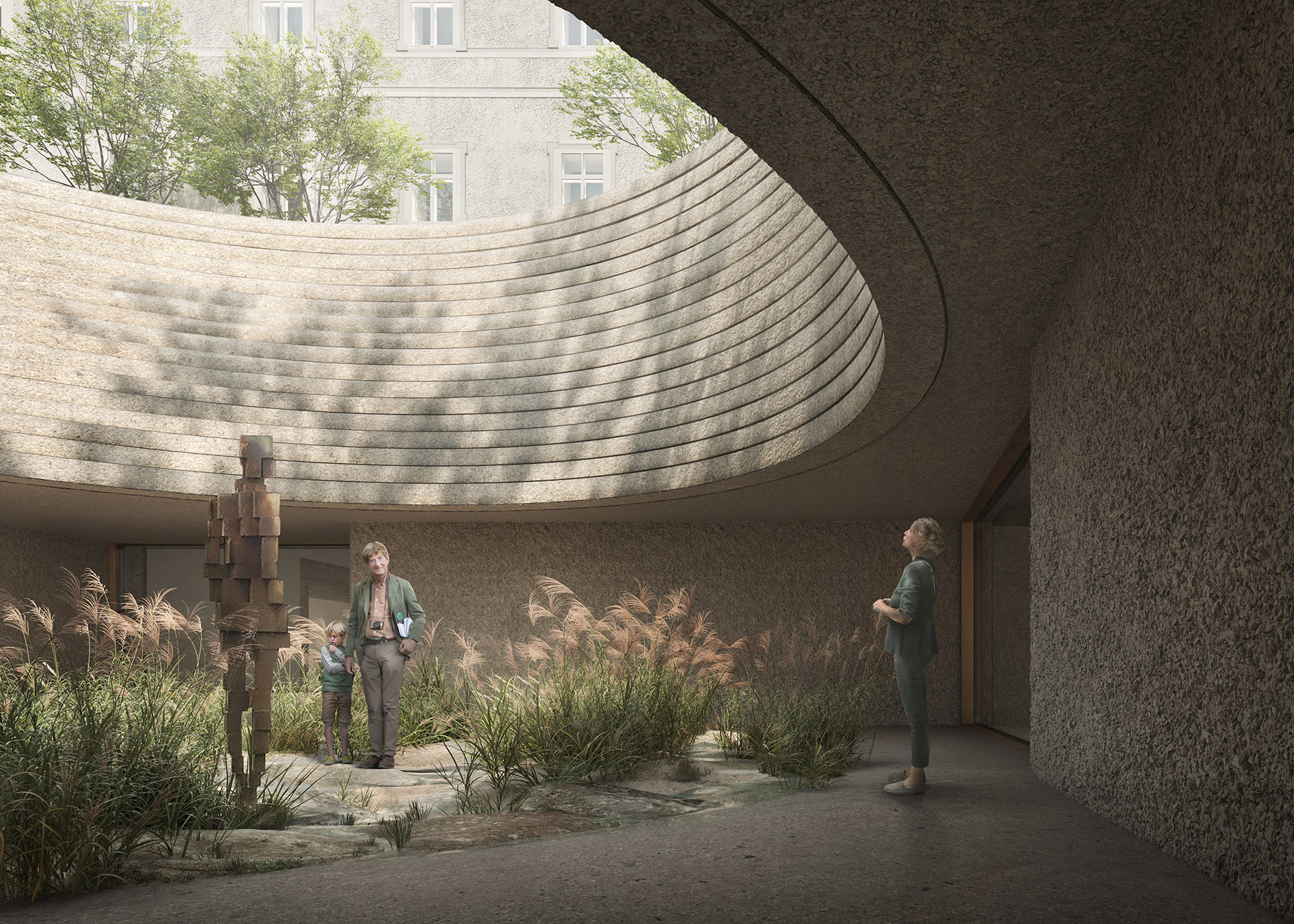
How do you approach a site like this? What does it take for an architectural project built on existing structures also to generate new momentum? These were the questions Schenker Salvi Weber Architekten (Vienna) and Eidos Architektur (Salzburg) asked themselves before the two firms submitted a joint concept for the museum project in an EU-wide competition in 2022. Their idea prevailed. Following an extensive planning phase, work to realize their vision began in the fall of 2023, and the Belvedere branch is now taking shape in the heart of Salzburg’s Old Town. The centerpiece is a spectacular “light well,” designed to channel natural light from the courtyard at ground level into the exhibition space below. This link between above and below serves as the leitmotif of the design—a reference to Salzburg’s historic fountains. Until recently, the publicly accessible second courtyard of the Neue Residenz was underutilized and served as a parking lot. Now, it is being transformed into a green space open to everyone.
A turning point, recalls Michael Salvi, co-founder of Schenker Salvi Weber Architekten, came when he first encountered the Nolli Map. Confronted with the famous eighteenth-century plan of Rome, which highlights the city’s public spaces, he realized that the courtyards and the traditional Durchhäuser (houses with a public thoroughfare) of Salzburg likewise embody a form of social space. With the transformation of the courtyard within this architectural ensemble into a contemplative “garden space,” Salvi envisions a new “green center” for Salzburg. A stroll through this hortus conclusus (enclosed garden) could even serve as a prelude to a journey through the museums of the Old Town. Eidos’s Managing Director, Clemens Standl, notes that a beautiful garden already flourished here in the late Renaissance. His firm, which researches historical architecture, brought its cultural and historical insight to complement Michael Salvi’s expertise in contemporary building design. The site’s architectural history is closely tied to Prince-Archbishop Wolf Dietrich von Raitenau, who, together with master builders from Italy, created one of the most splendid palaces of the seventeenth century. Standl emphasizes the importance of “appreciating this exceptional architecture.” When the architects integrate their design into the historic fabric, they will, of course, refer to historical elements—for instance, with a newly interpreted sala terrena on the lower level, forming a fluid transition to the central open space around the light well. As the signature element of the design, the well will be visible from all directions as visitors move through the museum spaces below.
“It’s an extraordinary collaborative project that we’re very much looking forward to.”
Stella Rollig
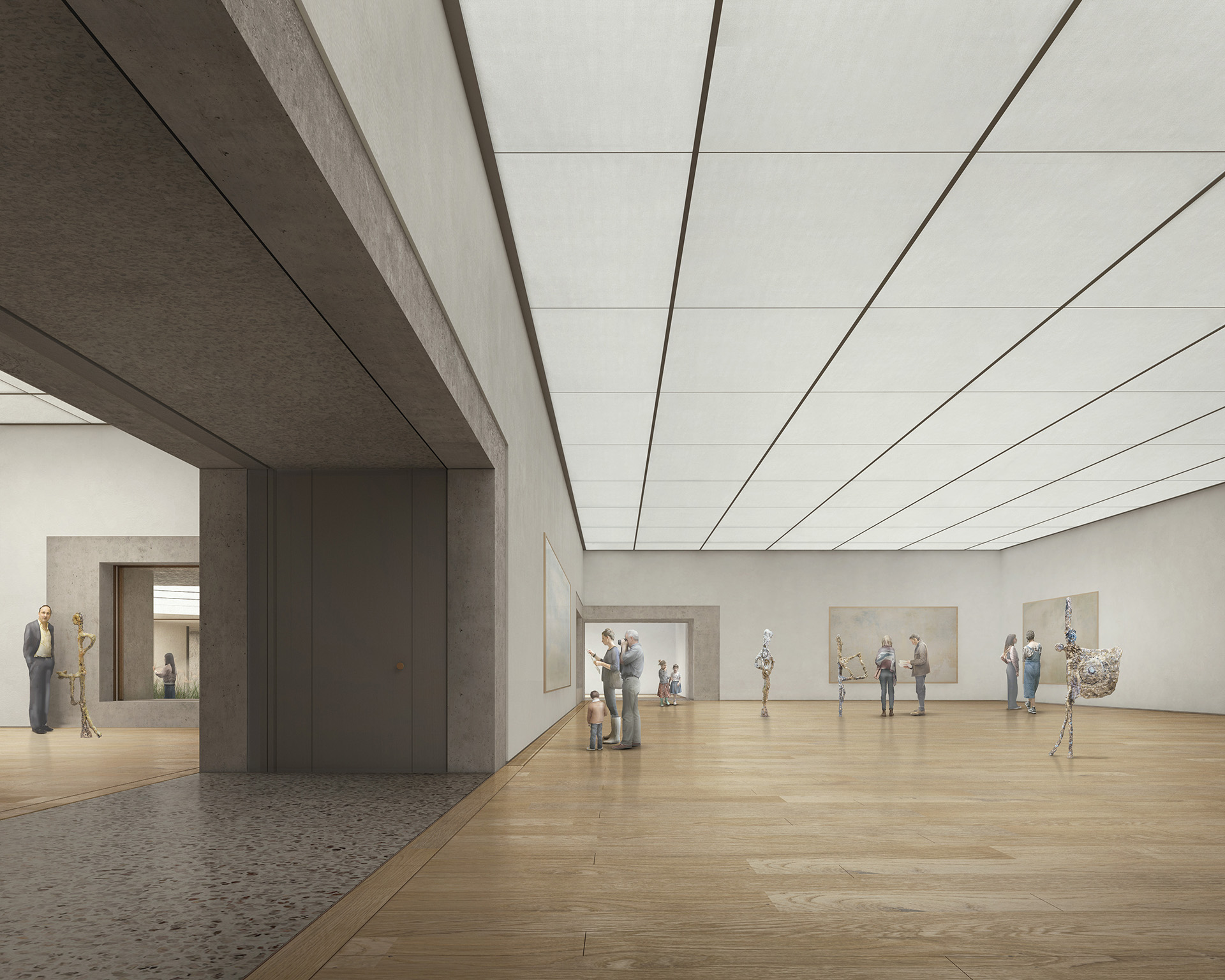
Even from the ground-floor foyer, visitors will be able to look down into the depths of the multi-story building. The vertical circulation is intended to create a sense of dynamism. “You move from the old world into the new,” explains Salvi. As one descends deeper into the building, the future architecture becomes increasingly integrated into the existing structure. Plans are underway for a staircase linking to the Salzburg Museum, which will reveal the vaulted spaces while adhering to monument preservation requirements. Currently, archaeological excavations are in progress, and the staircase will wind through the existing structure in a cascading form. For Standl, the idea of continuing to engage with the past also means allowing something new to grow from its foundations: “Like the art it houses, the building itself tells a story—from the early Baroque to the present day.” As for which artworks the Belvedere Salzburg will ultimately hold—that is another story.
Article first published in "Belvedere Kunstmagazin" no. 1-2024.
Gallery