

Erna Rosenstein
In Focus: Between Memory and Imagination
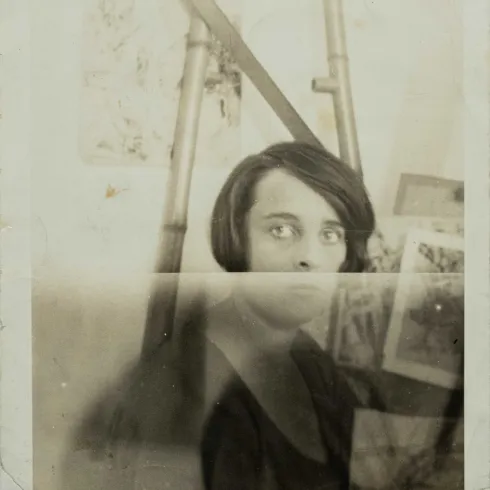
When Erna Rosenstein arrived in Vienna in 1932, her parents hoped for a fresh start. The politically active young woman was supposed to study painting here at the Vienna Women’s Academy and distance herself from her activism. But Rosenstein soon rejoined a communist youth organization, distributed leaflets under the alias Irma Neumann, and experienced the February Uprising of 1934 firsthand.
Lisa Ebner-Kollmann
The Estate of Erna Rosenstein - courtesy of Foksal Gallery Foundation and Hauser & Wirth
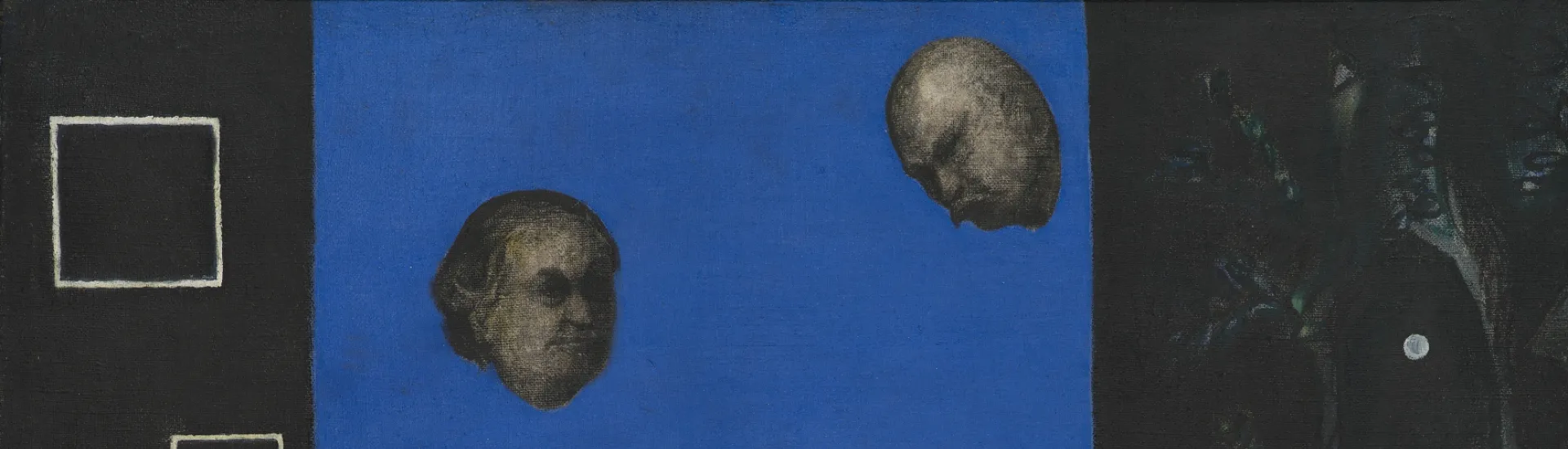
Erna Rosenstein, Bildschirme, 1951
Muzeum Sztuki, Łódź
© The Estate of Erna Rosenstein - courtesy of Foksal Gallery Foundation and Hauser & Wirth
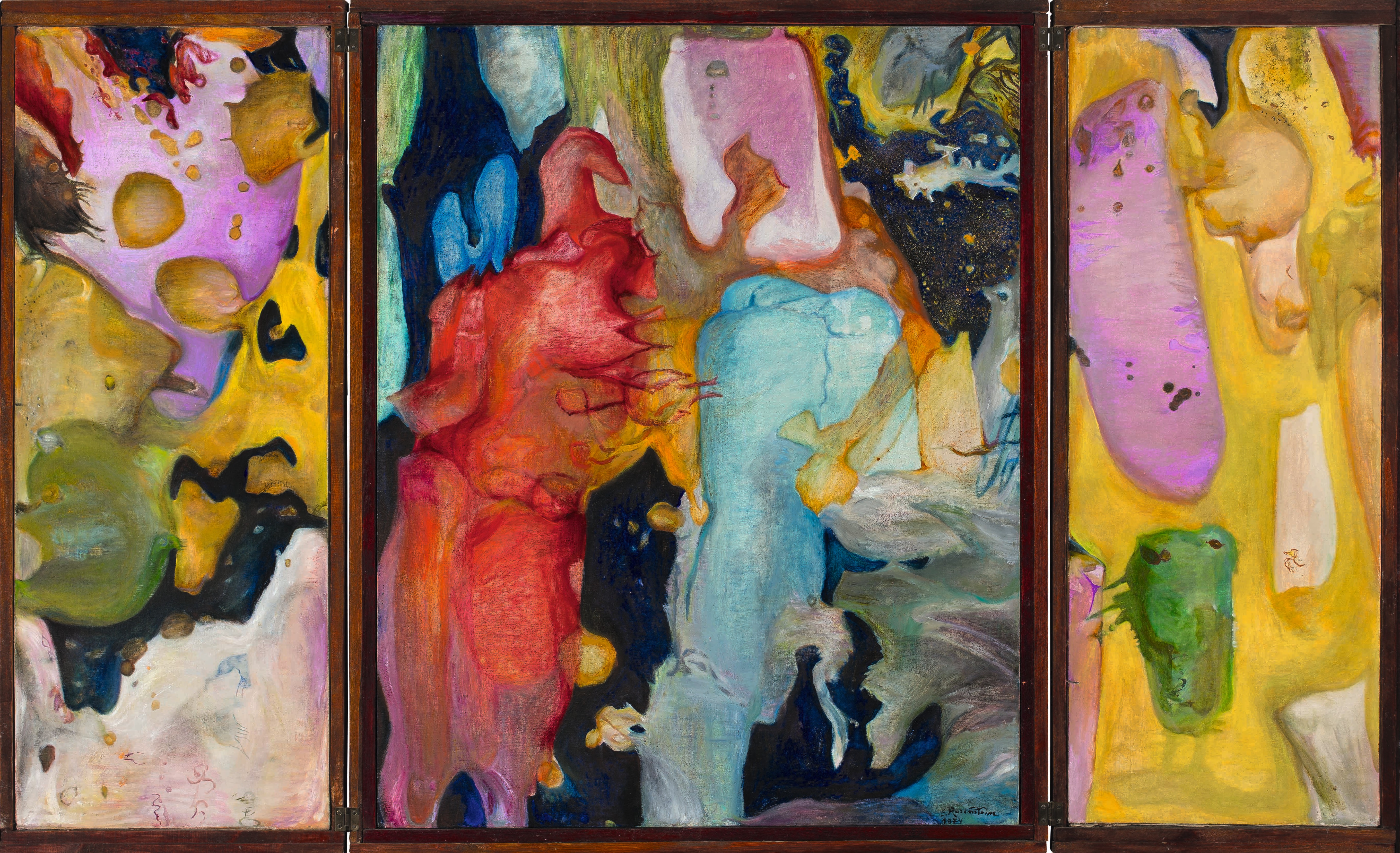
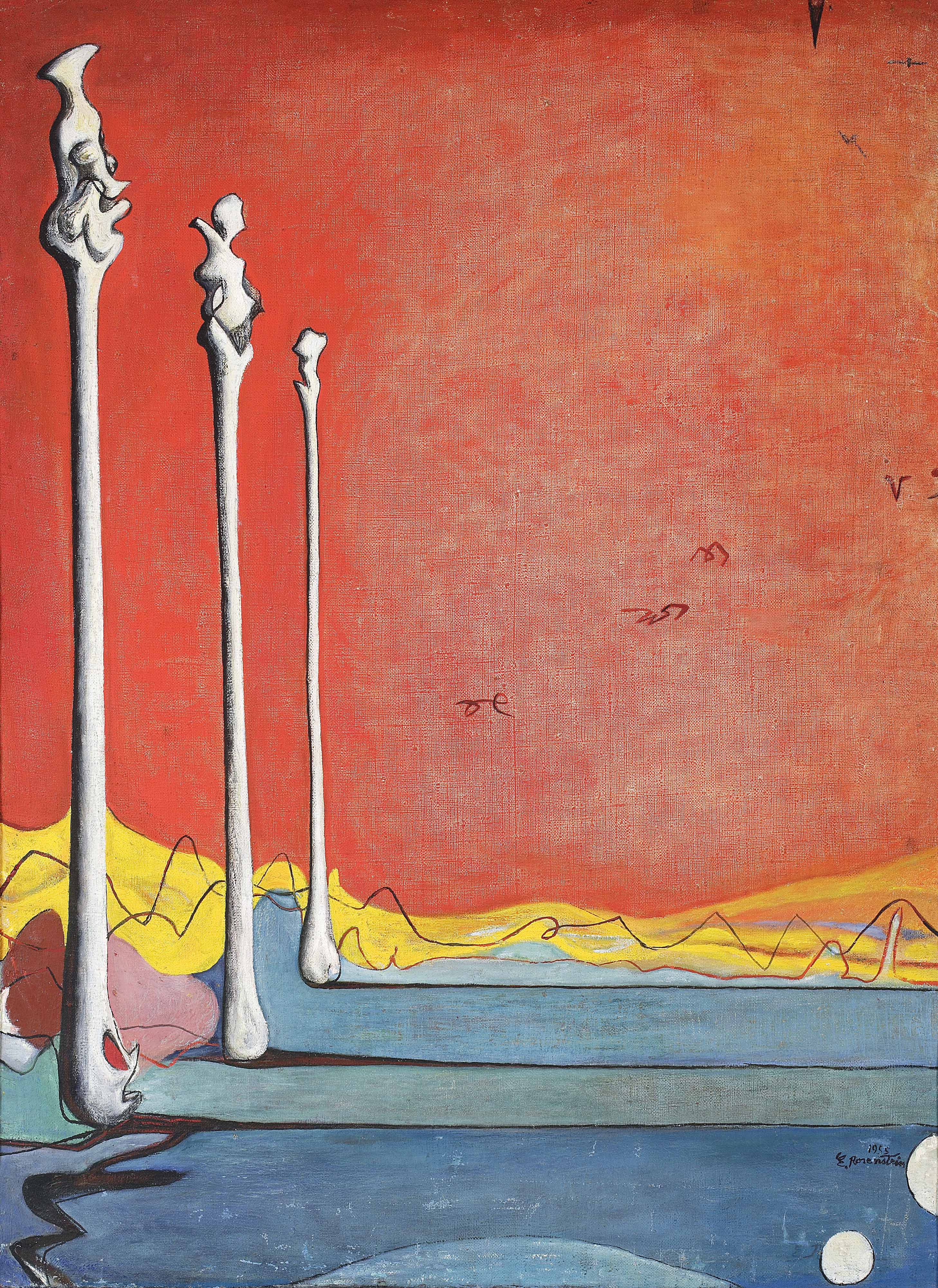
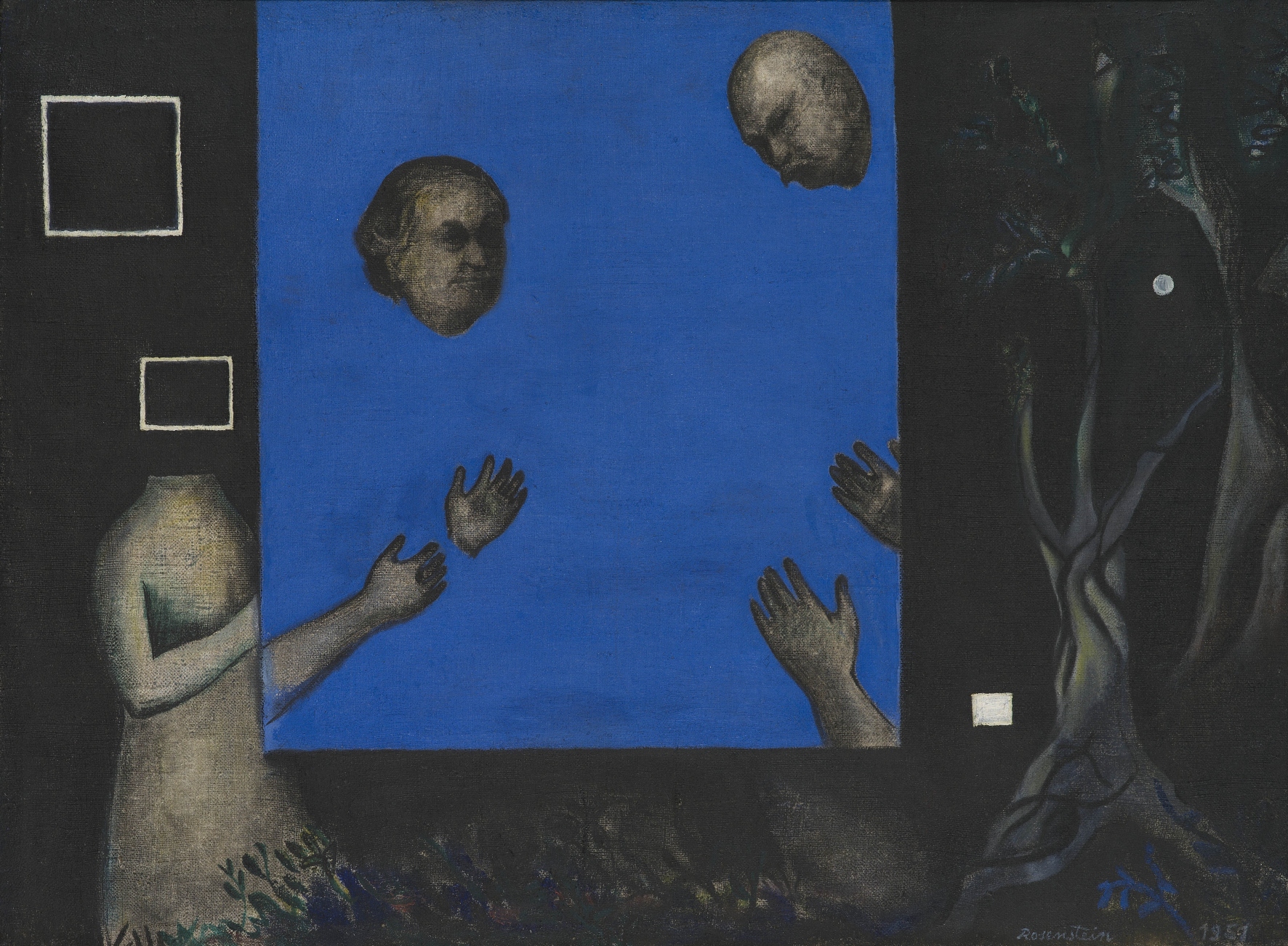
Today, Erna Rosenstein (1913–2004) is regarded as one of the leading figures of the Polish post-war avant-garde. A painter, draughtswoman, poet and creator of assemblages made from found and everyday objects, her work moves between figuration and abstraction, memory and poetry, resisting easy categorisation. Rosenstein brought together image and language in a distinctive way: many of her works bear enigmatic, poetic titles that invite multiple associations rather than offering clear explanations. Beneath their poetic visual language lie recurring reflections on memory, violence and human vulnerability.
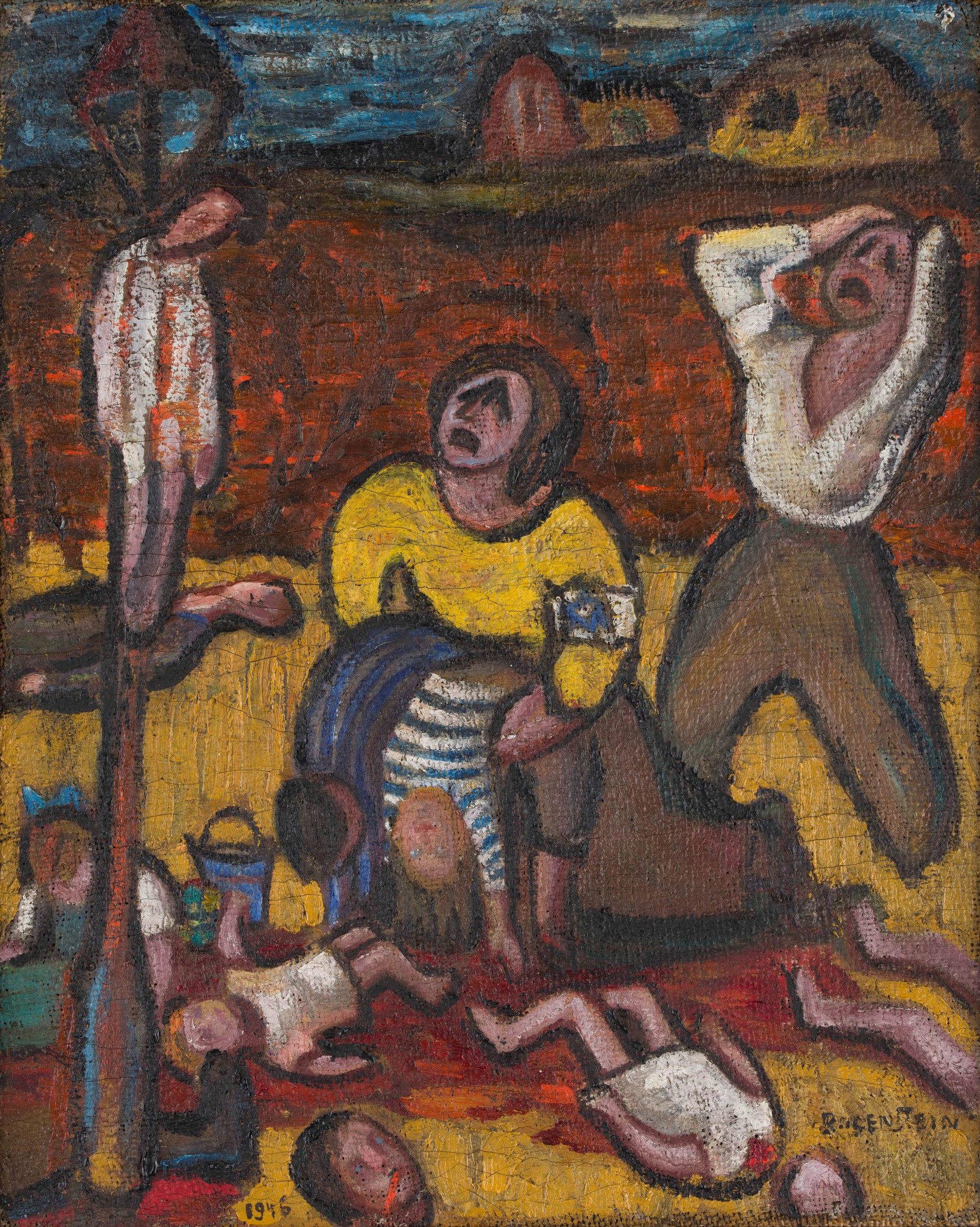
Rosenstein's art is inseparable from her life story. The murder of her parents during the Shoah – the systematic persecution and murder of European Jews by the Nazi regime – left a profound mark on her work. Through her art, she found a way to give shape to memories, trauma and experiences that words alone could not convey.
Her visual worlds are often dreamlike and enigmatic. Luminous lines cut through monochrome surfaces like wounds, while strings applied directly to the canvas evoke associations with injury and healing. Vibrant paintings in which everything seems to be in constant motion alternate with delicate, almost drawing-like compositions. Rather than depicting external reality, Rosenstein transformed inner, subjective experiences into poetic visual worlds.
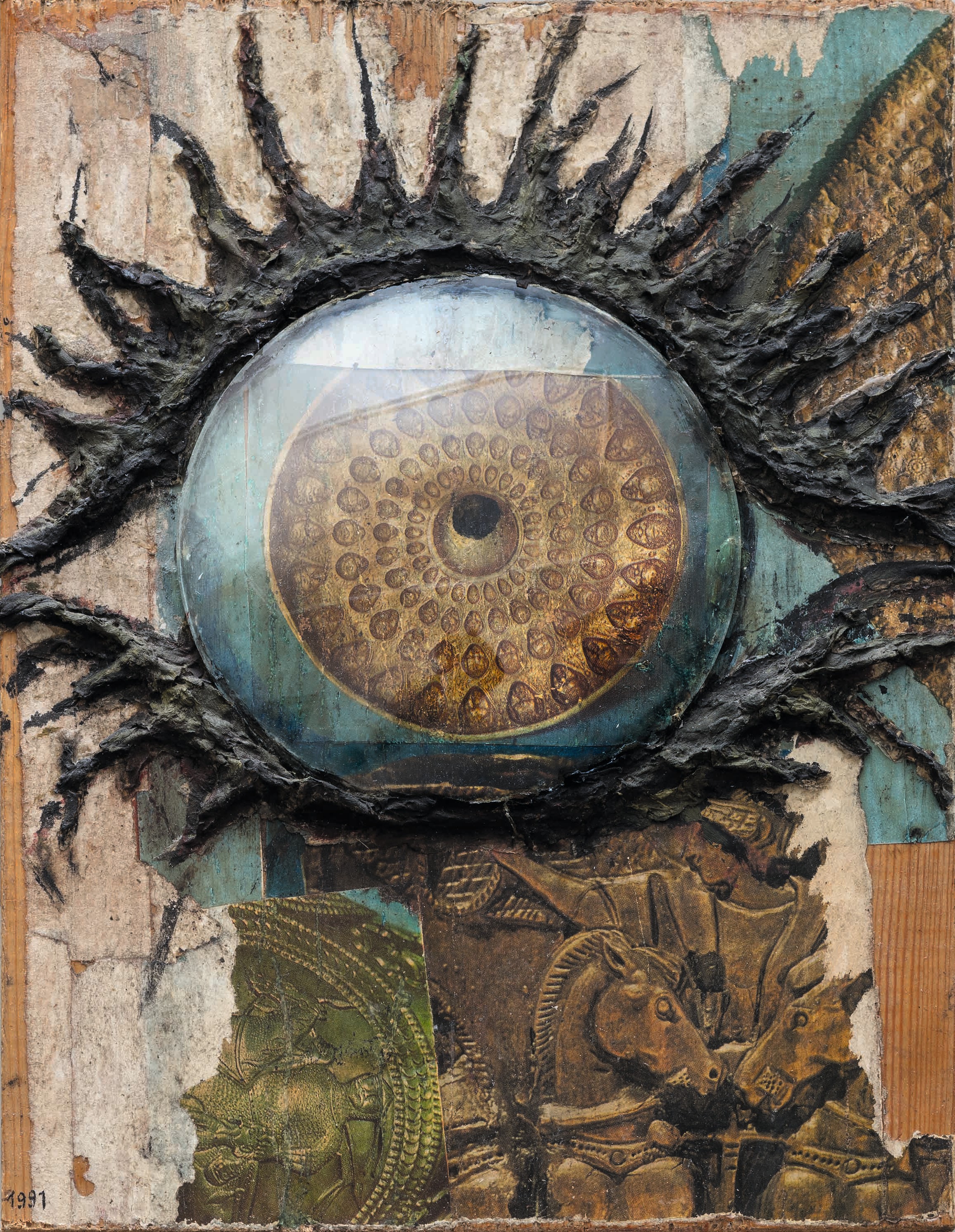
Her assemblages bring together everyday and found objects in unexpected constellations, imbuing them with new, sometimes ironic meanings.

Rosenstein never stopped exploring new forms of artistic expression. She summed up this lifelong pursuit of artistic renewal in her own words:
“Of course, one is tempted to have a style that viewers recognize even without a signature. But that is pure vanity. One must do exactly the opposite.”

Although Erna Rosenstein remained committed to her political convictions throughout her life, she rejected the idea that art should serve an ideology. During the Stalinist period in Poland, she remained true to the Surrealist-inspired visual language she had developed. Refusing to adopt the politically prescribed style of Socialist Realism, Rosenstein publicly defended the autonomy of art:
“As far as art is concerned, either the party is wrong or else I am. Time will tell.”
This conviction shaped her entire artistic oeuvre.
The exhibition “Erna Rosenstein: On the Other Side of Silence” at the Lower Belvedere traces Rosenstein's artistic development over more than six decades. As the first comprehensive retrospective of the artist in Austria, it invites visitors to discover an exceptional figure in post-war European art. Paintings, drawings, assemblages, and poems show how Rosenstein continually developed her visual language while remaining true to her central themes – even though, unfortunately, no works from her student years in Vienna have survived.
Today, Erna Rosenstein is increasingly recognized internationally as one of the most original voices in European post-war art. Her works interweave memory and imagination, past and present. They show how art can create spaces in which even the unspeakable can find expression. It is this ability that gives her work its enduring relevance.
Gallery
Digital Photography Studio at the National Museum in Poznań